
How Is Breast Lump Treatment Done in Dubai?
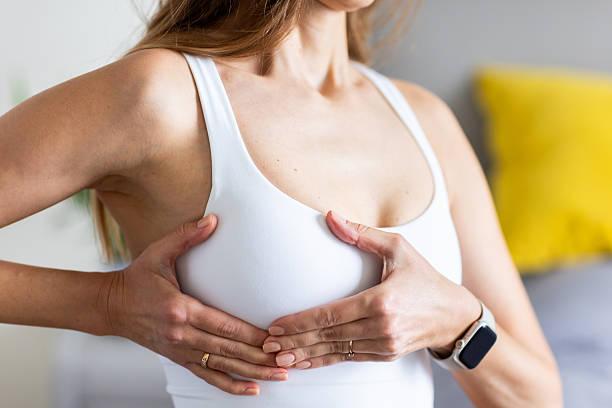
The process of treating a breast lump depends on its underlying cause. Some lumps need only observation, while others require further investigation, medication, drainage, or surgical removal. Breast Lump Treatment in Dubai follows a diagnostic approach that helps clinicians identify the condition and choose the appropriate management plan.
Understanding the usual stages can help you prepare for a consultation and know what to expect from the investigation and treatment process.
Step 1: Initial Consultation and Assessment
The first stage involves discussing your symptoms and medical history with a healthcare professional.
You may be asked when you first noticed the lump, whether it has changed, whether it is painful, and whether you have experienced nipple discharge or skin changes.
The clinician may also ask about previous breast conditions, surgery, imaging, and relevant family history.
A physical examination helps assess the lump and determine whether further investigations are needed. However, examination alone may not establish the diagnosis.
Step 2: Diagnostic Imaging
Imaging provides information about the structure and appearance of the lump.
Breast Ultrasound
Ultrasound uses sound waves to produce images of breast tissue. It can help distinguish a fluid-filled cyst from a solid mass and may guide a needle biopsy or drainage procedure.
Diagnostic Mammography
Mammography uses X-rays to investigate breast symptoms or abnormal findings. It may reveal changes that require further assessment.
The choice between ultrasound, mammography, or both depends on factors such as age, symptoms, pregnancy status, and clinical findings.
Step 3: Biopsy When Needed
A biopsy may be recommended if the lump has suspicious features or its nature remains uncertain after examination and imaging.
During a core needle biopsy, local anaesthetic is generally used to numb the area. A needle collects small tissue samples, often with imaging guidance, and the samples are sent for laboratory analysis.
The results help determine whether the lump is benign, malignant, or requires additional investigation.
Not every lump requires a biopsy, and undergoing one does not mean cancer has been confirmed.
Step 4: Choosing the Appropriate Treatment
Once the findings have been reviewed, the clinician can explain the available options.
Monitoring
Some benign lumps can be monitored when the clinical and imaging findings support this approach. Monitoring may involve planned examinations or repeat imaging.
Medication
Medication may be appropriate for certain underlying conditions, such as a breast infection. The choice depends on the diagnosis and the patient's medical circumstances.
Drainage
A symptomatic cyst or breast abscess may require drainage. The method depends on the nature and location of the fluid collection.
Surgical Removal
Surgery may be considered for selected benign lumps that are growing, causing significant symptoms, or have uncertain findings. It may also form part of the treatment plan for a confirmed malignancy.
Surgery is not automatically necessary simply because a lump is present.
What Happens During Breast Lump Removal?
If removal is recommended, the surgeon explains the planned procedure, anaesthesia, expected incision, potential risks, and recovery requirements.
The operation varies according to the size and location of the lump and the reason for removal. Tissue taken during surgery is generally sent for pathological examination.
The laboratory findings help establish the diagnosis and determine whether additional treatment or follow-up is required.
What Should You Expect After Treatment?
Recovery depends on the procedure performed.
After a needle biopsy, temporary tenderness or bruising may occur. After surgery, you may experience discomfort, swelling, or bruising around the incision.
Your healthcare team may provide instructions about wound care, medication, activity restrictions, and follow-up appointments.
Contact the care team if pain or swelling worsens, redness spreads, you develop a fever, or you notice unusual wound discharge or persistent bleeding.
How Long Does Breast Lump Treatment Take?
There is no single timeline for every case.
A consultation and examination may take place during one appointment. Imaging may be performed on the same day or scheduled separately. Biopsy results require additional processing, while surgical treatment involves preparation and recovery.
Ask when you should expect the results and how they will be communicated. If further tests are recommended, complete them according to the clinical team's advice.
What Questions Should You Ask Your Doctor?
Before proceeding with treatment, consider asking:
-
What are the likely causes of my breast lump?
-
Which tests are necessary to establish the diagnosis?
-
Can the lump be monitored, or is treatment recommended?
-
What are the benefits and risks of the proposed procedure?
-
Will the tissue be examined in a laboratory if it is removed?
-
What follow-up will I need?
-
Who will coordinate my care if the results are suspicious?
These questions help you understand why a particular approach is recommended and what happens next.
Frequently Asked Questions
Is breast lump treatment always a surgical procedure?
No. Management may involve monitoring, medication, drainage, biopsy, or surgery, depending on the cause.
Will I need an anaesthetic?
A clinical examination and ultrasound usually do not require anaesthesia. A biopsy may use local anaesthetic, while surgery requires an anaesthesia plan appropriate to the procedure.
Is breast lump removal performed on the same day as diagnosis?
Not necessarily. Further imaging or biopsy may be needed before a treatment decision can be made.
Will a removed breast lump be tested?
Tissue removed during a procedure is generally sent for pathological examination so that the diagnosis can be confirmed.
What if the lump returns?
Arrange another assessment. A recurring lump may require additional examination or imaging to determine the cause and appropriate management.
Clinic Note: Breast Lump Treatment in Dubai should follow a diagnosis-led pathway. The appropriate process may include examination, imaging, biopsy, monitoring, or intervention. Tajmeels Clinic can discuss your concerns and help clarify suitable next steps, with referral to a specialist breast service when necessary.

 English
 Arabic
 French
 Spanish
 Portuguese
 Deutsch
 Turkish
 Dutch
 Italiano
 Romaian
 Portuguese (Brazil)
 Greek
