
Wound Dressing at Home for Patients With Skin Tears and Fragile Tissue
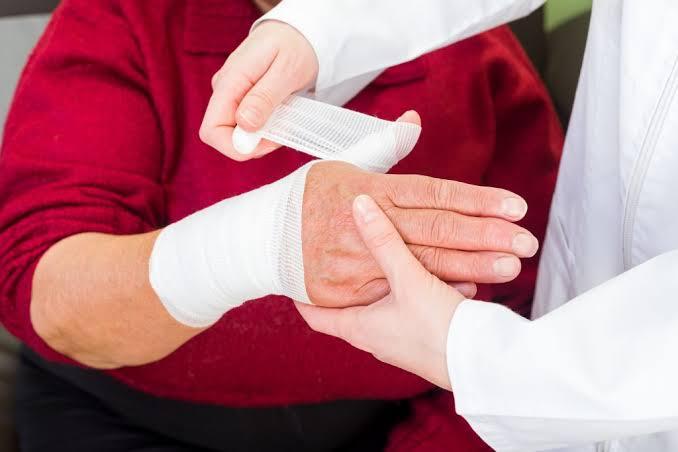
Skin tears and fragile tissue require careful wound management because even minor friction or pressure can cause additional damage and delay recovery. Wound Dressing at Home in Dubai offers eligible patients a convenient way to receive professional wound care in a familiar environment, particularly older adults and people whose skin is easily injured. With guidance from qualified nurses or a Doctor at Home, patients and caregivers can learn how to protect delicate tissue, choose suitable dressing materials, and recognize signs that require medical attention. Whether a skin tear results from an accidental bump, adhesive removal, or fragile aging skin, a gentle and individualized care plan can help protect the wound and support healing.
Understanding Skin Tears and Fragile Tissue:
Skin tears are injuries in which the outer skin layers separate from the underlying tissue, sometimes creating a flap of skin or exposing the wound surface. They are more common in older adults because skin can become thinner, less elastic, and more vulnerable to friction as people age. Fragile tissue may also result from certain medical conditions, reduced nutrition, long-term use of some medications, or repeated exposure to adhesives. These injuries can occur during dressing changes, transfers, bathing, or ordinary daily activities. Although some skin tears are minor, others may bleed, become painful, or require professional treatment. A healthcare professional can assess the wound's severity, the condition of the surrounding skin, and any factors that may affect healing before recommending an appropriate dressing plan.
Why Skin Tears Need Gentle and Prompt Care:
Skin tears should be managed carefully because the damaged tissue can be easily disturbed by rubbing, pressure, or unsuitable dressing materials. Prompt assessment helps determine whether the wound can be managed with routine dressing care or requires additional treatment. If a skin flap is present, it should not be pulled, trimmed, or repositioned forcefully by an untrained person. Avoid scrubbing the wound or applying household remedies, alcohol, or strong antiseptics unless specifically instructed by a healthcare professional. If bleeding occurs, apply gentle, continuous pressure with clean gauze when appropriate and seek medical help if it does not stop. Deep wounds, extensive skin loss, severe pain, or injuries involving significant underlying tissue require prompt professional assessment rather than home dressing care alone.
Choosing Suitable Dressings for Fragile Skin:
The right dressing should protect the wound while minimizing friction and additional damage to the surrounding skin. Depending on the wound's depth, drainage, location, and condition, a healthcare professional may recommend a non-adherent dressing or another product designed to reduce sticking during removal. Some dressings are intended to absorb wound fluid, while others provide a protective contact layer or help maintain an appropriate moisture balance. Strong adhesives can damage fragile skin, especially when repeatedly removed, so the method used to secure the dressing is also important. Patients should tell their nurse about previous reactions to adhesives, tapes, latex, or wound care products. Dressings should not be selected solely on the basis of convenience; the material needs to suit the particular wound and the patient's skin condition.
Cleaning a Skin Tear Without Causing Further Damage:
Cleaning a skin tear should be gentle and follow the instructions provided by the treating healthcare professional. For many minor wounds, rinsing with clean running water or sterile saline may be suitable, but complex injuries may need a specific clinical approach. Avoid rubbing or scrubbing the wound because this may disturb delicate tissue and cause additional pain. Do not use alcohol, hydrogen peroxide, or strong antiseptics routinely unless the clinician has specifically advised them. If dirt or debris is embedded in the wound, do not dig into the tissue or attempt removal with sharp tools. Before any permitted wound care, wash your hands and prepare clean supplies. If the wound is large, deep, heavily contaminated, or showing signs of infection, seek professional assessment rather than relying on home cleaning alone.
Preventing Adhesive-Related Skin Damage:
Medical tapes and adhesive dressings can sometimes cause skin stripping, redness, itching, blisters, or new tears when removed from delicate tissue. This risk may be greater for older adults and patients who need frequent dressing changes. Inform the healthcare professional about any history of adhesive reactions or skin injuries caused by tape. Depending on the wound, a nurse may recommend a gentler fixation method or an appropriate skin protection product as part of the care plan. Such products should be compatible with the wound and should not be applied directly into it unless instructed. Avoid using household tape or pulling off adhesive dressings quickly. If a dressing sticks to the skin, do not force it away; follow professional instructions for safe removal or contact the nurse for guidance.
Maintaining Appropriate Moisture Around the Wound:
Moisture balance is important when managing skin tears because excessive dryness can cause a dressing to stick to the wound, while excessive moisture may soften and weaken the surrounding skin. The appropriate dressing should help manage drainage without leaving nearby tissue persistently wet. Patients should follow their care plan for dressing changes and bathing, and seek advice if the dressing becomes saturated, wet when it must remain dry, or contaminated. Avoid adding extra layers over a wet dressing or applying creams and powders without professional guidance. The surrounding skin should be observed for signs of softening, redness, irritation, or breakdown. If drainage increases unexpectedly or moisture-related problems persist, the wound may need reassessment to determine whether the dressing or treatment plan should be adjusted.
Protecting Fragile Skin During Everyday Activities:
Preventing new skin tears is just as important as treating an existing injury. Patients with fragile skin can reduce friction and accidental trauma by wearing comfortable clothing, avoiding rough fabrics, and keeping fingernails trimmed to reduce scratching injuries. Caregivers should use gentle techniques when assisting with bathing, dressing, transfers, or repositioning, and avoid pulling on the patient's arms or legs. When moving a person with limited mobility, use appropriate assistance and equipment rather than dragging them across bedding. Protect bony areas from unnecessary pressure and follow professional guidance about positioning if the patient spends long periods in bed or a chair. Useful precautions include:
-
Keep the patient's skin clean and moisturized with suitable products, avoiding the open wound unless instructed.
-
Use gentle handling during bathing and dressing.
-
Avoid unnecessary tape or repeated adhesive removal.
-
Keep bedding smooth and clothing comfortable.
-
Report new bruises, skin tears, or persistent irritation promptly.
-
Follow the prescribed wound care and pressure-relief plan.
These steps can reduce avoidable skin damage, although they cannot prevent every injury.
Recognizing Infection and Other Wound Complications:
A skin tear should be monitored for changes that may indicate infection, delayed healing, or additional tissue damage. Warning signs include increasing redness, warmth, swelling, worsening pain, pus, an unusual new odour, or a wound that becomes larger or deeper. Fever or redness spreading away from the wound requires prompt medical assessment. Older adults and people with diabetes, poor circulation, or reduced immunity may need earlier evaluation because healing can be more complicated. Patients should not assume that every change is caused by the dressing or attempt to treat possible infection simply by changing products. Severe bleeding that does not stop with firm, continuous pressure, rapidly spreading redness, severe pain, or signs of serious illness require urgent medical attention. Contact a qualified healthcare professional when the wound is not improving or its condition changes unexpectedly.
How Wound Dressing at Home in Dubai Supports Patients:
Wound Dressing at Home in Dubai can help eligible patients receive professional assessment and dressing care without unnecessary travel, particularly when fragile skin, age, or limited mobility makes clinic visits difficult. During a home visit, a qualified nurse can assess the skin tear, follow the prescribed care plan, select or apply suitable dressing materials within their professional scope, and explain how to protect the area between appointments. Patients should provide information about medical conditions, current medicines, allergies, and previous reactions to dressings. Home-based care can also help caregivers understand which tasks they can safely perform and when a wound needs further medical evaluation. Before arranging a service, confirm the healthcare professional's qualifications and how concerns between visits are managed. Home nursing complements the overall treatment plan but does not replace urgent medical care when serious complications develop.
Supporting Healing Through Consistent Follow-Up:
Follow-up care helps ensure that a skin tear is healing appropriately and that the dressing remains suitable as the wound changes. During reviews, the healthcare professional may assess the wound's appearance, drainage, surrounding skin, and any symptoms reported since the last visit. Patients should mention repeated skin tears, adhesive reactions, increased discomfort, or dressing problems rather than waiting for the wound to deteriorate. Adequate nutrition and hydration, when medically appropriate, can support general health and normal tissue repair, while management of underlying conditions may also affect recovery. Keep the wound care instructions accessible and avoid changing prescribed products independently. If the injury is worsening, bleeding repeatedly, or showing signs of infection, seek medical advice promptly. A consistent, individualized approach supports safer wound care and helps protect fragile tissue during recovery.
Final Thoughts
Wound dressing for patients with skin tears and fragile tissue requires gentle handling, suitable dressing materials, appropriate moisture management, and regular observation. Protecting surrounding skin from friction and adhesive damage can reduce additional trauma while supporting recovery. Wound Dressing at Home in Dubai provides eligible patients with convenient access to professional guidance and wound care in familiar surroundings. Patients and caregivers should follow the prescribed plan, report changes promptly, and seek medical advice if the wound deteriorates or shows signs of infection. With individualized care and consistent follow-up, skin tears can be managed more safely while helping preserve comfort, dignity, and skin health.

 English
 Arabic
 French
 Spanish
 Portuguese
 Deutsch
 Turkish
 Dutch
 Italiano
 Russian
 Romaian
 Portuguese (Brazil)
