
Marine Services in UAE: Innovations in Vessel Retrofitting and Maintenance
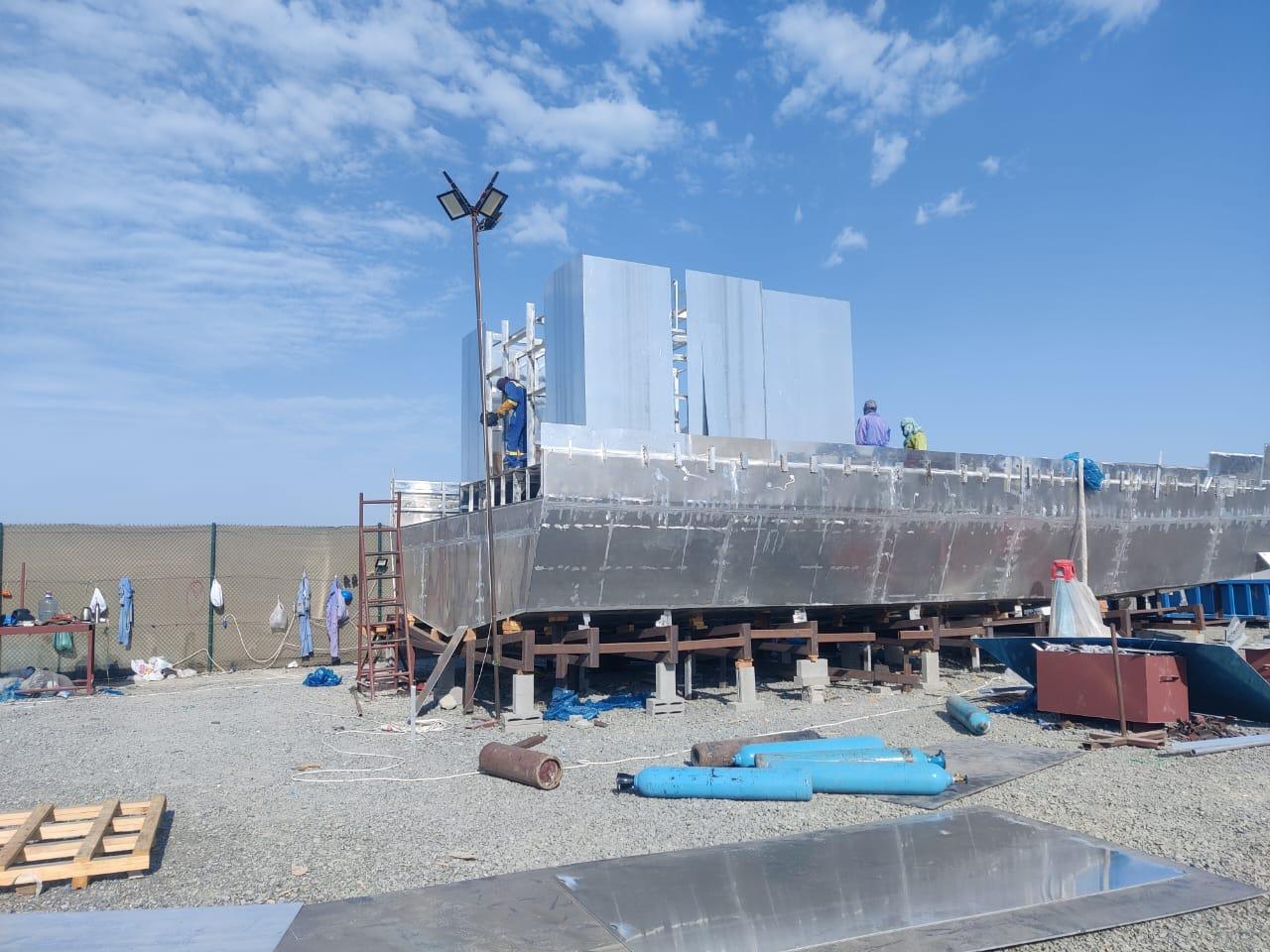
The maritime industry is constantly evolving as vessel operators look for safer, more efficient, and environmentally responsible ways to manage their fleets. Modern technology is transforming how ships are inspected, repaired, upgraded, and maintained. Marine services in UAE play an important role in supporting commercial shipping, offshore operations, port activities, and industrial transportation.
The United Arab Emirates has developed strong maritime infrastructure supported by major ports, international trade routes, and advanced marine facilities. According to UAE maritime sector figures published in 2025, the industry contributed approximately AED 135 billion to the national economy, while UAE ports handled around 21 million TEUs of container traffic in 2023. These figures highlight the importance of reliable vessels and efficient marine operations.
As the maritime industry develops, ship manufacturing companies in UAE are increasingly associated with modern engineering practices, improved vessel designs, and technologies that support operational efficiency. Retrofitting and maintenance are equally important because they help existing vessels meet changing performance, safety, and environmental requirements.
Understanding Vessel Retrofitting
Vessel retrofitting involves upgrading an existing ship by installing modern equipment, replacing outdated machinery, or modifying its structure and onboard systems. Rather than purchasing a completely new vessel, owners can improve the capabilities of their existing fleet through carefully planned engineering work.
Retrofitting projects may include engine upgrades, advanced navigation equipment, energy-efficient propellers, improved electrical systems, digital monitoring devices, and environmental protection technologies. The right solution depends on the vessel's age, design, operating conditions, and intended application.
For example, a commercial vessel operating for long hours may benefit from propulsion improvements, while a workboat used in demanding coastal conditions may require better corrosion protection, upgraded safety equipment, or improved onboard controls.
These modifications help vessels adapt to changing operational needs while potentially reducing the cost and disruption associated with complete replacement.
Innovations Transforming Vessel Retrofitting
1. Energy-Efficient Propulsion Systems
Fuel consumption is one of the major operating expenses for commercial vessels. Modern retrofitting projects increasingly focus on improving propulsion efficiency through redesigned propellers, upgraded engine controls, and hull-performance improvements.
Advanced propeller designs can improve the transfer of engine power into forward movement. In suitable operating conditions, energy-saving devices can also reduce resistance and improve overall vessel performance.
The Organisation for Economic Co-operation and Development (OECD) has highlighted growing adoption of energy-saving technologies in maritime transport. Its 2025 reporting recorded an increase in installations of selected energy-saving technologies from 101 in 2018 to 408 in 2023.
Actual fuel savings vary according to vessel design, engine condition, operating speed, loading, and sea conditions. Therefore, a technical assessment should be completed before selecting a particular upgrade.
2. Digital Monitoring and Predictive Maintenance
Traditional maintenance often relies on fixed schedules or repairs after equipment fails. Digital monitoring offers a more proactive approach by tracking machinery performance and identifying potential faults at an earlier stage.
Modern sensors can monitor engine temperature, vibration, pressure, fuel consumption, and other operating parameters. When this information is analysed over time, unusual patterns may indicate developing mechanical problems.
Predictive maintenance helps technical teams schedule inspections and repairs before minor issues become serious failures. It can also reduce unnecessary component replacement and improve vessel availability.
For example, vibration monitoring may reveal an imbalance in rotating machinery, while temperature sensors can identify abnormal heating in engines or electrical systems. These early warnings allow maintenance teams to investigate problems before they interrupt normal operations.
3. Advanced Corrosion Protection
Marine vessels regularly face saltwater exposure, humidity, changing temperatures, and mechanical wear. These conditions can damage metal surfaces and gradually weaken structural components if they are not properly managed.
Modern maintenance practices include improved protective coatings, appropriate surface preparation, corrosion inspections, and suitable material selection. Ultrasonic thickness measurements can help technicians identify areas where metal has become thinner than expected.
Aluminium vessels require particular attention to welded joints, surface damage, and connections between dissimilar metals. Suitable protective measures and regular inspections help maintain structural integrity.
Combining modern inspection techniques with planned maintenance allows vessel operators to identify damage early and reduce the risk of expensive repairs.
The Importance of Preventive Vessel Maintenance
Preventive maintenance involves inspecting, servicing, and repairing equipment before a failure interrupts operations. It is especially important for vessels working in busy ports, offshore locations, and demanding marine environments.
A comprehensive maintenance programme generally includes:
-
Routine engine inspections and servicing.
-
Inspection of hulls, decks, and structural components.
-
Propeller, shaft, and steering-system checks.
-
Testing of electrical and navigation equipment.
-
Inspection of pumps, piping, and cooling systems.
-
Verification of emergency and firefighting equipment.
-
Cleaning, coating repairs, and corrosion control.
Maintenance schedules should follow manufacturer recommendations, vessel operating hours, survey requirements, and applicable regulations. Accurate service records also help technical teams understand recurring problems and plan future work.
Regular maintenance can improve reliability and reduce unexpected downtime. However, the financial benefits depend on the vessel's condition, the quality of the maintenance programme, and the cost of the work performed.
How Technology Is Improving Marine Repair Services
Digital tools and modern engineering techniques are making marine repair work more systematic and precise. Computer-aided design allows engineers to plan modifications before physical work begins, while digital documentation helps teams maintain accurate records of components, measurements, and completed repairs.
Non-destructive testing methods, including ultrasonic testing and suitable weld inspections, help assess structural condition without unnecessarily damaging components. These methods are valuable when checking hull plates, welded connections, and other critical areas.
Remote diagnostic systems can also help technical specialists examine machinery data and identify possible causes of abnormal performance. Although remote monitoring cannot replace every physical inspection, it supports faster and better-informed maintenance decisions.
For complex retrofitting projects, careful coordination between engineering, fabrication, electrical installation, and testing teams is essential. Proper planning reduces the likelihood of rework and helps ensure that modified systems function as intended.
Environmental Benefits of Modern Retrofitting
Environmental performance has become an important consideration in vessel maintenance and upgrading. Older ships may consume more fuel than necessary because of inefficient machinery, damaged coatings, outdated control systems, or poorly maintained propulsion components.
Retrofitting can help address these issues through energy-efficient equipment, improved hull performance, better engine management, and more effective monitoring of fuel consumption.
Other upgrades may involve ballast-water treatment, improved waste handling, and systems designed to reduce harmful emissions. The suitability of each measure depends on the vessel's configuration and applicable regulatory requirements.
The International Maritime Organization's energy-efficiency framework includes the Energy Efficiency Existing Ship Index (EEXI) and the Carbon Intensity Indicator (CII) for relevant vessels. These measures have increased the importance of evaluating existing ship performance and considering appropriate technical or operational improvements.
Environmental benefits should be measured using actual vessel data rather than assumptions. Comparing fuel consumption and operating performance before and after an upgrade can help determine whether the investment has achieved its intended results.
Selecting a Reliable Marine Engineering Approach
When evaluating shipbuilding companies in UAE, vessel owners should consider technical expertise, engineering quality, inspection procedures, safety standards, and the ability to complete projects within the required schedule. These factors are important not only for new construction but also for repair, maintenance, and retrofitting work.
A reliable service plan begins with a detailed assessment of the vessel's existing condition. Engineers can then identify urgent repairs, recommend practical upgrades, estimate project costs, and establish an appropriate maintenance schedule.
VU Marine operates in the UAE marine sector, where shipbuilding, repair, maintenance, and technical marine solutions support commercial and industrial vessel operations. A structured approach to vessel care helps operators focus on safety, reliability, and long-term performance.
Before approving a retrofit, owners should also consider the expected remaining service life of the vessel, replacement-part availability, compatibility with existing systems, and the time required to complete the work. These factors help determine whether an upgrade offers practical value.
The Future of Vessel Retrofitting and Maintenance
The future of marine maintenance will likely involve greater use of automation, connected sensors, digital inspection records, and data-driven decision-making. As these technologies become more accessible, maintenance teams will have better opportunities to monitor equipment condition and plan interventions accurately.
Alternative fuels and hybrid propulsion systems may also create new retrofit opportunities. However, these projects can require significant engineering work, safety assessments, equipment changes, and regulatory approval. Each proposal must be evaluated according to the vessel's design and intended operating profile.
Another important development is the integration of maintenance planning with sustainability targets. By tracking fuel use, machinery condition, and repair history, vessel operators can make better-informed decisions about upgrades and operating practices.
The top shipbuilding companies and marine engineering specialists are part of a wider industry shift towards improved efficiency, reliable vessel performance, and responsible resource management. The long-term success of these developments depends on combining modern technology with experienced technicians, sound engineering, and regular physical inspections.
Conclusion
Vessel retrofitting and maintenance are essential for keeping marine fleets safe, efficient, and operationally reliable. Innovations in propulsion systems, predictive maintenance, corrosion protection, digital monitoring, and environmental technologies are creating new opportunities to improve existing vessels.
For operators seeking dependable marine solutions, the key is to select upgrades based on technical assessments, measurable benefits, and long-term operating requirements. With careful planning and consistent maintenance, vessels can remain productive for longer while supporting safer and more sustainable maritime operations.
As the UAE continues to strengthen its maritime infrastructure, modern maintenance practices and practical retrofitting solutions will remain important to the industry's development. VU Marine reflects the continuing importance of quality engineering, dependable vessel maintenance, and practical solutions for the evolving needs of the maritime sector.

 English
 Arabic
 French
 Spanish
 Portuguese
 Deutsch
 Dutch
 Italiano
 Russian
 Romaian
 Portuguese (Brazil)
 Greek
