
How Does a Dishwasher Drain? Understanding the Drainage System
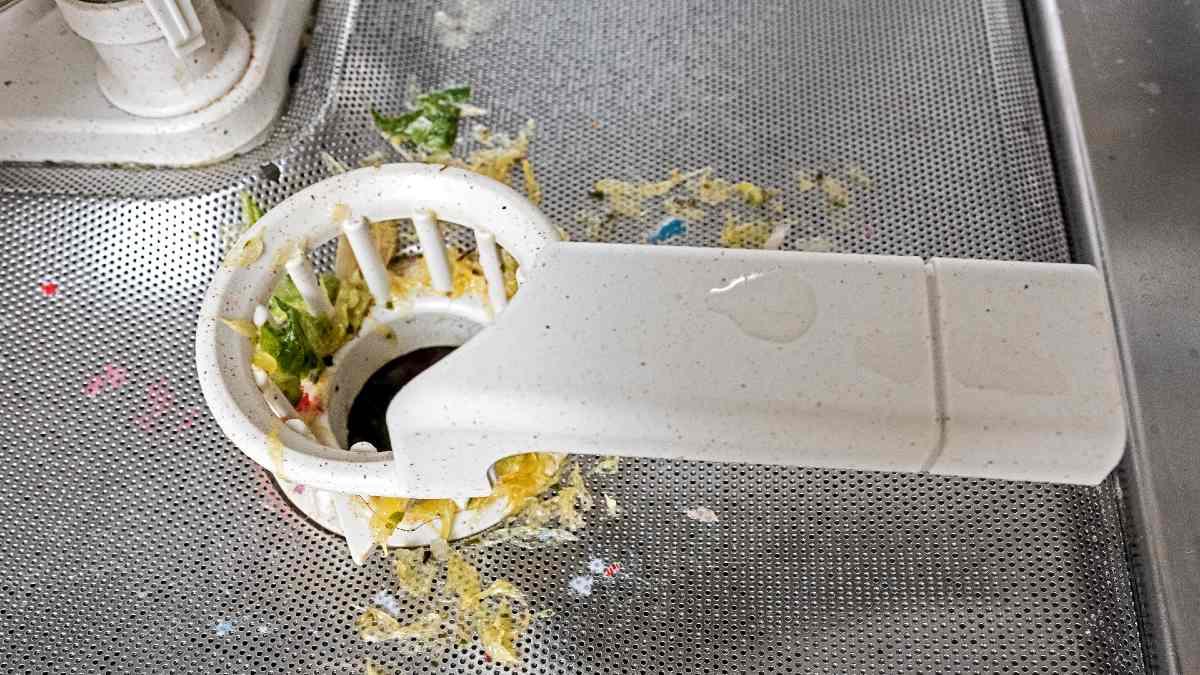
A dishwasher does more than spray water onto dishes. It must also remove dirty water efficiently so that the washing and rinsing stages can work correctly.
When homeowners discover a dishwasher drain clogged with debris, understanding how the drainage system operates can make troubleshooting easier.
The Main Parts of a Dishwasher Drain System
Several components work together to move wastewater out of the appliance.
Drain filter: Captures food particles and other debris before they interfere with the drainage system.
Drain pump: Moves wastewater out of the dishwasher during the drain stage.
Drain hose: Carries the wastewater toward the connected sink drain or garbage disposal.
Household plumbing connection: Receives wastewater from the dishwasher and directs it into the plumbing system.
A blockage or malfunction in any of these areas may affect drainage.
How the Drain Cycle Works
During a typical wash program, the dishwasher circulates water through its spray arms. After a washing stage, the appliance drains the used water before proceeding to the next stage.
The drain pump pushes wastewater through the drain hose and into the connected plumbing.
If the filter is blocked, the pump is obstructed, or the hose is kinked, water may not leave the appliance as intended.
Why Is My Dishwasher Not Draining?
A dishwasher clogged drain problem can have several causes.
-
Food scraps blocking the filter.
-
A clogged or kinked drain hose.
-
A blocked garbage disposal connection.
-
A restricted kitchen sink drain.
-
A damaged or obstructed drain pump.
If the sink and dishwasher both drain poorly, investigate the shared plumbing connection rather than assuming the appliance alone is responsible.
What to Do When Water Remains in the Dishwasher
Switch off the appliance and disconnect power when safe. Remove standing water carefully and clean the accessible filter according to the manufacturer's manual.
Check the visible drain area for debris and inspect the hose for obvious kinks without disconnecting plumbing unnecessarily.
After reassembling the filter, run a suitable test cycle.
If water continues to accumulate, avoid repeatedly running the dishwasher because persistent drainage issues may cause additional problems.
Where Is the Drain on a Dishwasher?
The drain opening is typically located near the bottom of the tub, around the filter assembly. The drain hose is usually routed behind or beneath the appliance toward the sink plumbing.
The exact layout differs by model, so consult the manufacturer's instructions before removing parts.
For additional details, see The Plumb Hero's dishwasher drain hose guide.
When Is Repair Necessary?
If basic cleaning does not help, a technician may need to inspect the pump, hose, valves, or electrical controls.
Seek assistance promptly if you notice leaks, burning smells, or unusual electrical symptoms.
Conclusion
A dishwasher drains by pumping wastewater through a hose into the household plumbing system. Keeping the filter clean and checking for visible restrictions can help maintain normal operation. Persistent drainage problems require a more thorough inspection.

 English
 Arabic
 French
 Spanish
 Portuguese
 Deutsch
 Turkish
 Dutch
 Italiano
 Russian
 Portuguese (Brazil)
 Greek
