
Can SIBO Symptoms Come and Go Without Treatment? Here's What to Know
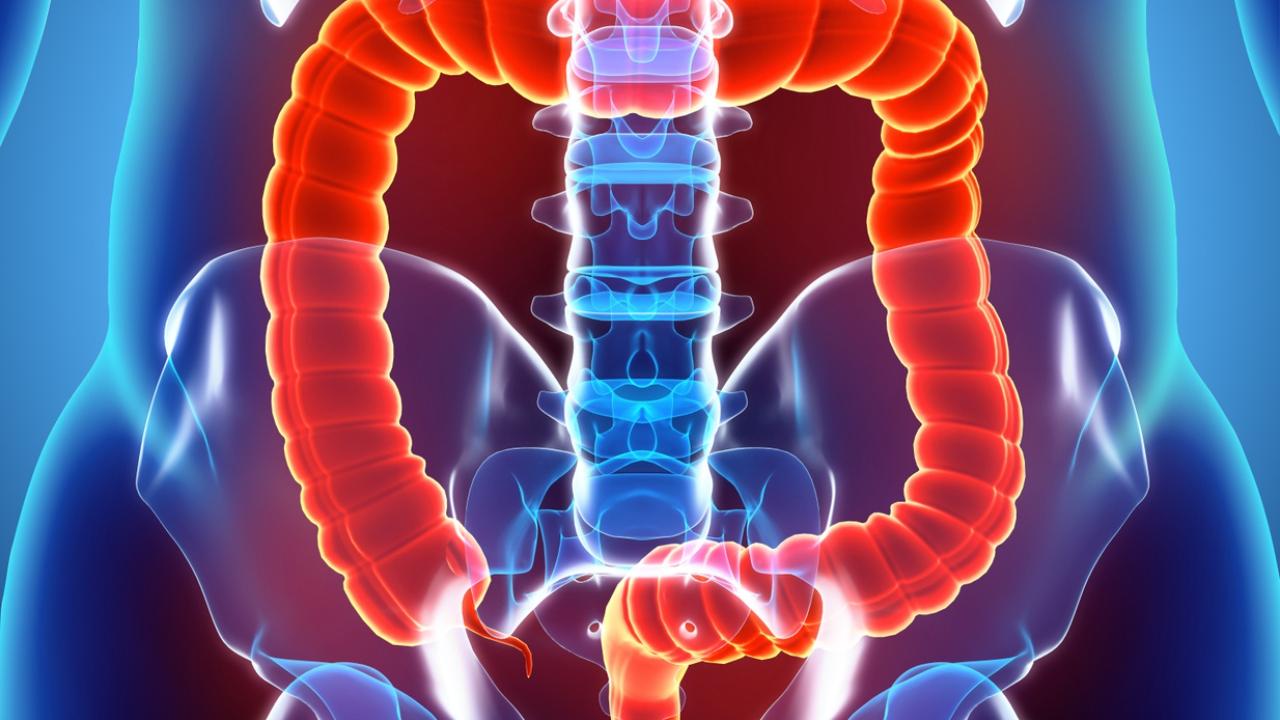
Digestive symptoms do not always remain consistent. One day you may experience uncomfortable bloating after eating, while the next day your stomach feels relatively normal.
For people experiencing Small Intestinal Bacterial Overgrowth (SIBO), this unpredictable pattern can create confusion. It raises an important question: can SIBO symptoms come and go without treatment?
The answer is yes. Symptoms can fluctuate, but temporary relief does not necessarily mean the underlying condition has disappeared.
Why Do SIBO Symptoms Fluctuate?
SIBO develops when excessive bacteria grow in the small intestine. These bacteria can ferment certain carbohydrates and produce gases that contribute to digestive discomfort.
Symptom intensity may change because of:
-
Differences in daily food intake.
-
Meal size and timing.
-
Changes in intestinal movement.
-
Other digestive conditions.
-
Individual sensitivity to gas and abdominal distension.
This explains why someone may experience severe bloating after one meal but relatively mild symptoms after another.
Does Feeling Better Mean SIBO Is Gone?
Not necessarily.
A temporary reduction in bloating, gas, or abdominal discomfort does not confirm that bacterial overgrowth has resolved.
Some people modify their diets and notice improvement. Others experience symptom-free periods followed by recurring digestive problems.
Without appropriate evaluation, it can be difficult to determine whether the condition has improved or whether another digestive issue is responsible.
Can SIBO Go Away Without Treatment?
People frequently ask whether SIBO can heal on its own.
Although symptoms may improve and underlying contributing factors can sometimes change, spontaneous resolution cannot be assumed.
If problems with intestinal motility or structural abnormalities remain, bacterial overgrowth may persist or recur.
What Happens When SIBO Is Left Untreated?
Persistent SIBO may contribute to ongoing bloating, diarrhea, constipation, and abdominal discomfort.
In more significant cases, interference with nutrient absorption can contribute to vitamin deficiencies, weight loss, and malnutrition.
The likelihood of complications differs between individuals.
How Can You Find Out If You Have SIBO?
A healthcare professional may recommend hydrogen or methane breath testing.
Depending on your symptoms, additional investigations may be needed to assess nutritional deficiencies or other possible digestive conditions.
Treatment should be based on an appropriate diagnosis rather than symptoms alone.
Conclusion
SIBO symptoms can come and go, but feeling better temporarily does not necessarily mean the condition has resolved. If digestive problems repeatedly return or interfere with daily life, professional evaluation can help identify the cause and determine the next steps.
Disclaimer: This content is intended for educational purposes and should not be used as a substitute for medical diagnosis or treatment.

 English
 French
 Spanish
 Portuguese
 Deutsch
 Turkish
 Dutch
 Italiano
 Russian
 Romaian
 Portuguese (Brazil)
 Greek
