
Can an Ancestry DNA Test Help You Discover Unknown Relatives?
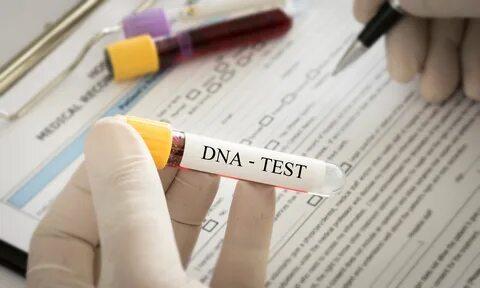
Family history often contains unanswered questions. You may have heard stories about a grandparent who lost contact with their family, wondered about a biological parent, or discovered gaps in your family tree that historical records cannot explain. Sometimes, the names and relationships you know tell only part of the story.
An ancestry DNA test can help you discover unknown relatives by comparing your genetic information with that of other people who have taken a test through the same service. These matches may reveal distant cousins, previously unknown family branches, or biological connections that were never documented in your family records.
However, Ancestry DNA Test UAE does not automatically identify every relative or explain exactly how two people are connected. The most useful discoveries come from combining DNA match results with family trees, historical documents, and careful research.
This guide explains how ancestry DNA testing works, what types of relatives you might discover, and how to use your results to investigate your family history responsibly.
How Does an Ancestry DNA Test Find Unknown Relatives?
An ancestry DNA test examines genetic markers in your DNA and compares them with information from other customers who have agreed to participate in DNA matching. Because biological relatives inherit DNA from shared ancestors, they may carry overlapping genetic segments.
When a testing company identifies enough shared DNA between two profiles, it may report a potential genetic relationship.
For example, you might receive a match with someone listed as a second cousin or third cousin. If you do not recognize the person's name, their family tree may help you identify a shared grandparent, great-grandparent, or another common ancestor.
The process typically involves three stages:
-
DNA collection: You provide a saliva sample or cheek swab, depending on the testing company's requirements.
-
Genetic analysis: The laboratory examines selected genetic markers used for ancestry and relative matching.
-
DNA comparison: The company's database identifies other participating customers who share detectable DNA with you.
The resulting match list can provide new leads for family history research. Its usefulness depends partly on how many relevant relatives have tested, how much information they have shared, and how clearly their family relationships are documented.
Which Unknown Relatives Can You Discover Through DNA Testing?
The relatives you may identify depend on the amount of DNA you share, the testing company's database, and the availability of supporting family records.
Close Biological Relatives
DNA matching can sometimes reveal close family connections, including half-siblings, aunts, uncles, nieces, nephews, or biological cousins. In some circumstances, it may help identify a biological parent or child.
These discoveries can be particularly important for people who were adopted, grew up with incomplete family information, or have questions about biological parentage.
However, a DNA match does not always establish one exact relationship. For instance, different relatives can share similar amounts of DNA. Additional evidence, such as ages, family trees, and information about known relatives, is often needed to distinguish between possibilities.
Distant Cousins and Extended Family Members
An ancestry DNA test may also identify distant cousins who share ancestors with you several generations ago.
These matches can help you explore family branches that have become disconnected through migration, marriage, name changes, or the passage of time. Even a distant cousin may possess photographs, letters, birth records, or family stories that are missing from your own collection.
If several matches appear connected to the same ancestral family, they may help you identify a common branch of your family tree.
Relatives You Never Knew Existed
Sometimes, DNA testing reveals an unexpected biological connection. A match may lead to a previously unknown sibling, a half-aunt or half-uncle, or another relative whose existence was not part of the family's known history.
Such results can be surprising and emotionally complicated. Approach them as potential discoveries that require careful interpretation, not as invitations to make immediate assumptions about someone's personal history.
What Do DNA Match Results Actually Tell You?
Understanding your DNA match report is essential if you want to identify unknown relatives accurately.
Most ancestry testing services display a match's profile alongside information such as the estimated relationship, shared DNA, and, when available, family tree details.
Shared DNA and Centimorgans
Shared DNA is commonly measured in centimorgans (cM), a unit used to describe genetic linkage. In general, close biological relatives share more DNA than distant relatives.
For example, a parent and child share approximately half of their autosomal DNA, while first cousins typically share a much smaller proportion. More distant cousins generally share less, although the amount varies among individuals.
A higher shared DNA amount often narrows the range of possible relationships, but it does not always identify a unique relationship. Use the estimated relationship as a starting point for investigation.
Shared Matches
Shared matches are people who match both you and another person in the DNA database. They can help you recognize groups of relatives who may descend from the same family branch.
Imagine that you receive a match with someone you do not recognize. Several of your shared matches have family trees containing the same surname and ancestral town. That pattern may suggest a connection through a particular branch of your family.
Nevertheless, shared matches are clues, not definitive proof of a specific shared ancestor. More complex family structures and multiple relationships between families can affect the interpretation.
Family Trees and Ancestral Information
Some DNA matches include family trees listing parents, grandparents, birthplaces, and other relatives. These details can provide a starting point for finding common ancestors.
Look for repeated surnames, geographic locations, marriage connections, and dates that fit your existing family history. Where possible, verify these details using independent historical records.
A Step-by-Step Method for Finding Unknown Relatives:
You do not need to investigate every match at once. A systematic approach can make the process more manageable and help you avoid unsupported conclusions.
Step 1: Start With the Closest Unfamiliar Match
Review your DNA match list and begin with the closest person whose identity you do not recognize. Examine the amount of shared DNA, the estimated relationship, and any family tree information.
Record the details in a research log so you can compare the match with other evidence later.
Step 2: Look for Patterns Across Multiple Matches
Check whether the unfamiliar match shares DNA with other people in your list. Look for clusters of matches that appear to belong to the same extended family.
Several related matches may provide stronger research leads than one isolated match, especially when their family trees contain overlapping surnames or locations.
Step 3: Build a Family Tree Around the Evidence
Start with what you know about your parents, grandparents, and great-grandparents. Add documented information from birth certificates, marriage records, census records, obituaries, and other credible sources.
Next, compare your tree with the trees of your DNA matches. Search for possible shared ancestors and note where the evidence supports a connection or remains incomplete.
Step 4: Research Historical Records
Historical documents can help establish whether a suspected relationship makes sense.
Useful resources include immigration records, church registers, cemetery records, newspaper archives, and public genealogy collections. These sources may reveal family movements, name variations, marriages, or connections that are not obvious from DNA results alone.
Be cautious with online family trees that do not provide supporting sources. Repeated information is not necessarily accurate information.
Step 5: Contact a Match Respectfully
If you identify a promising match, consider sending a short, polite message. Explain that you are researching your family history, mention the potential connection, and ask whether they would be comfortable sharing information.
Avoid demanding personal details or assuming the person knows about the relationship. Give them the freedom to respond—or not respond—on their own terms.
Can DNA Testing Help Find Biological Parents or Siblings?
Yes, ancestry DNA testing can sometimes help people identify biological parents, siblings, or other close relatives. This is especially relevant when adoption records are unavailable, family information is incomplete, or biological relationships are uncertain.
A close DNA match may provide an important lead, but identifying the exact relationship can require additional investigation. For example, a match could be a half-sibling, an aunt or uncle, or another relative with a similar shared DNA amount.
A careful approach involves comparing multiple matches, building family trees, reviewing relevant records, and considering possible relationship scenarios.
If you are searching for a biological parent or sibling, remember that the discovery may affect several people. Some relatives may be unaware of the circumstances, while others may not wish to discuss them. Genetic evidence can answer biological questions, but it cannot predict how people will feel about the discovery or whether they will want contact.
Why You Might Not Find the Relative You Are Looking For?
Although DNA matching can be powerful, it has limitations. Understanding them helps you set realistic expectations.
The relative may never have taken a DNA test. Most services can match you only with people whose DNA data is available to them through their own testing database or supported matching arrangements.
The match may be too distant to identify confidently. Distant relatives may share very little DNA, making the relationship harder to establish.
Family trees may be incomplete or inaccurate. A match might have no family tree, limited information, or incorrect details about earlier generations.
Genetic inheritance is unpredictable. You do not inherit an identifiable amount of DNA from every ancestor. Some distant ancestors may leave no detectable DNA that can be confidently attributed to them.
Testing databases vary. A service with many customers in one country or community may provide fewer useful matches for someone whose relatives primarily live elsewhere.
If your first search does not reveal the person you are looking for, you may still benefit from organizing your existing matches, researching additional family branches, or considering another compatible testing service after reviewing its privacy policies.
Protecting Your Privacy During a Family Search:
Discovering unknown relatives can involve sensitive information about parentage, adoption, donor conception, or previously undisclosed relationships. Before testing, read the provider's policies on DNA matching, data retention, research use, and account privacy.
Review who can see your profile and whether you want your family tree to be public or private. Avoid publishing personal details about living relatives without their permission.
If you uncover an unexpected relationship, pause before sharing the information widely or contacting several family members at once. Consider the privacy and emotional well-being of everyone involved.
Responsible genetic genealogy means treating DNA matches as people, not simply as clues to solve.
How to Get More Value From Your Ancestry DNA Results?
To improve your chances of discovering useful family connections, combine DNA matching with organized research.
-
Keep a record of unfamiliar matches and their shared DNA amounts.
-
Build and update your family tree using verified information.
-
Compare shared matches to identify possible family groups.
-
Research surnames, ancestral locations, and migration patterns.
-
Save the sources that support each conclusion.
-
Revisit uncertain relationships when new matches or records become available.
If close relatives are willing to participate, their DNA results may also help clarify which side of the family a match belongs to. Always obtain their informed consent before arranging a test or sharing their genetic information.
The goal is not simply to collect the largest number of matches. It is to establish meaningful relationships using evidence that can withstand careful review.
Frequently Asked Questions:
How accurate is an ancestry DNA test for finding relatives?
DNA matching can provide strong evidence of biological relationships, particularly among close relatives. However, the exact relationship may require further investigation, and the test cannot identify people who are not represented in the available matching database.
Can I find a relative if I do not know their name?
Yes. You may be able to identify a relative by comparing shared DNA, family trees, surnames, locations, and historical records. You do not necessarily need to know the person's name before beginning your search.
Can an ancestry DNA test reveal a secret sibling?
It can sometimes identify a previously unknown biological sibling or half-sibling if that person, or relevant close relatives, have tested. The match should be interpreted carefully before drawing conclusions about the relationship.
Do I need a family tree before taking a DNA test?
No. You can begin with DNA matching even if you have little information about your family. However, building a family tree as you research can help you interpret matches and connect genetic evidence with historical records.
Final Thoughts:
An ancestry DNA Lab tests can open new paths to discovering unknown relatives, from distant cousins to close biological family members. By comparing shared DNA, exploring family trees, and researching historical records, you can uncover connections that may have remained hidden for generations.
The most reliable discoveries come from patience and evidence. Treat match predictions as starting points, verify important relationships wherever possible, and approach unexpected findings with sensitivity.
Whether you are filling gaps in your genealogy research or investigating a deeply personal family question, DNA testing can help you move closer to understanding where you come from—and who may share your family story.

 English
 Arabic
 Spanish
 Portuguese
 Deutsch
 Turkish
 Dutch
 Italiano
 Russian
 Romaian
 Portuguese (Brazil)
 Greek
