
Can Teeth Scaling Improve Your Overall Oral Hygiene?
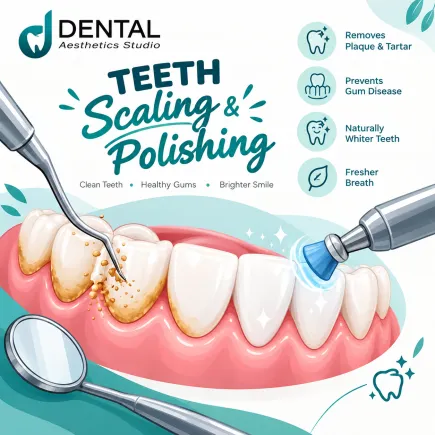
.Maintaining good oral hygiene involves more than brushing your teeth twice daily. Although brushing and flossing help remove plaque, they cannot effectively remove hardened tartar once it forms on the teeth. Professional teeth scaling helps eliminate these deposits and supports healthier teeth and gums. When combined with regular dental checkups and proper home care, scaling can play an important role in maintaining long-term oral health.
What Is Teeth Scaling and How Does It Work?
Teeth scaling is a professional dental cleaning procedure that removes plaque and hardened tartar from tooth surfaces and around the gumline. Dentists may use ultrasonic instruments or specialized hand tools to loosen and remove these deposits safely.
Plaque forms naturally when bacteria accumulate on teeth. If it is not removed regularly, it can harden into tartar, which cannot be eliminated with an ordinary toothbrush. Professional scaling removes this buildup and helps reduce the conditions that contribute to gum irritation.
If you are looking for teeth scaling in Islamabad, a dental professional can examine your teeth and gums to determine the cleaning procedure appropriate for your oral health needs.
How Does Teeth Scaling Improve Oral Hygiene?
Professional scaling improves oral cleanliness in several ways. It removes hardened deposits, supports gum health, and helps make daily oral care more effective.
1. Removes Hardened Tartar:
Tartar can accumulate along the gumline and between teeth, creating areas that are difficult to clean at home. A toothbrush cannot effectively remove hardened tartar once it has formed.
Professional scaling removes these deposits and helps keep tooth surfaces cleaner. Regular dental examinations allow your dentist to monitor tartar buildup and recommend cleaning when needed.
2. Supports Healthy Gums:
Plaque and tartar near the gumline can irritate gum tissue and contribute to gingivitis, an early form of gum disease. Common symptoms include redness, swelling, and bleeding during brushing.
Removing these deposits helps reduce a source of irritation and supports healthier gums. If gum disease has progressed, additional periodontal treatment may be necessary.
3. Helps Reduce Bad Breath:
Bad breath can occur when bacteria, plaque, and food particles accumulate in the mouth. Tartar buildup and gum disease may also contribute to persistent unpleasant odors.
Professional scaling removes deposits that can harbor bacteria and improves oral cleanliness. However, if bad breath continues after cleaning, your dentist can assess other possible causes, including cavities or dry mouth.
4. Makes Teeth Feel Cleaner:
After scaling, tooth surfaces often feel smoother because hardened deposits have been removed. Your dentist may also perform polishing to remove certain external stains and smooth the surfaces of your teeth.
Although polishing can improve the appearance of teeth, scaling is not a whitening procedure. It removes buildup rather than changing the natural colour of the tooth.
5. Supports Preventive Dental Care:
Regular dental visits provide an opportunity to identify potential oral health problems early. During an appointment, your dentist may check for gum inflammation, cavities, and other conditions that require further assessment.
Professional cleaning is one part of preventive dentistry. It works best alongside daily brushing, flossing, and appropriate dental examinations.
Is Teeth Scaling Enough to Maintain Good Oral Hygiene?
Teeth scaling is beneficial, but it cannot replace your daily oral hygiene routine. Plaque begins forming again after cleaning, so consistent home care remains essential.
To maintain healthy teeth and gums, brush twice daily with fluoride toothpaste, clean between your teeth every day, and limit frequent sugary snacks and drinks. Regular dental checkups help your dentist monitor your oral health and identify areas that may need additional attention.
Your dentist may recommend a personalized cleaning schedule based on tartar accumulation, gum health, and your dental history.
How Often Should You Get Teeth Scaling?
Many people benefit from professional dental cleaning every six months, but the ideal frequency varies. People with gum disease, rapid tartar buildup, or other risk factors may need more frequent appointments.
Your dentist can examine your teeth and gums and recommend a suitable schedule. Avoid attempting to remove tartar yourself with sharp instruments because doing so can injure the gums or damage tooth surfaces.
What Should You Expect After Teeth Scaling?
Most patients tolerate routine scaling well. Some may experience temporary sensitivity, mild gum tenderness, or slight bleeding, especially when their gums are already inflamed.
These symptoms often improve after treatment. Follow your dentist's instructions and continue gentle brushing and regular oral care. Contact your dentist if you experience severe pain, prolonged bleeding, or persistent sensitivity.
Conclusion:
Teeth scaling can significantly support your overall oral hygiene by removing hardened tartar, helping maintain healthy gums, reducing certain causes of bad breath, and keeping tooth surfaces cleaner. However, lasting results depend on combining professional cleaning with consistent brushing, flossing, and regular dental examinations.
Developing good oral hygiene habits and following your dentist's recommendations can help protect your smile over time. For information about professional dental cleaning and other oral health services, visit Dental Aesthetics Studio.

 English
 Arabic
 French
 Spanish
 Portuguese
 Deutsch
 Turkish
 Dutch
 Italiano
 Russian
 Romaian
 Greek
