
Process Automation Solutions: Improving Quality Control and Operational Reliability
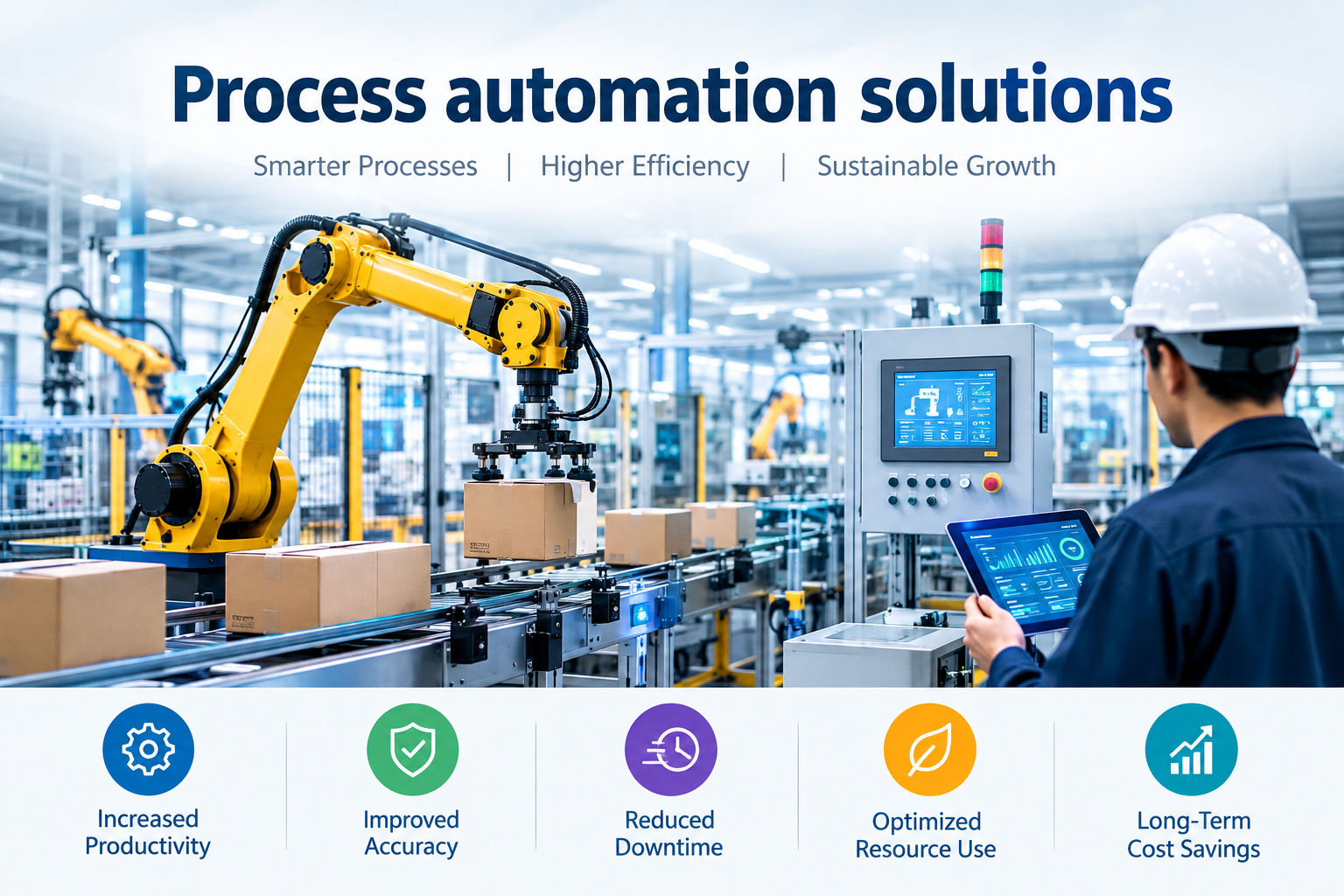
Maintaining consistent quality is an important goal for businesses across manufacturing, engineering, logistics, and other industries. When operations depend heavily on manual activities, organizations may experience inconsistent results, production delays, and difficulties identifying problems early. Modern technology offers practical ways to improve these processes and establish more reliable working methods.
Process automation solutions help businesses standardize repetitive activities, monitor operating conditions, and improve coordination between different stages of a workflow. By combining suitable automation technologies with effective quality management practices, organizations can improve consistency and make better use of their resources.
Understanding the Connection Between Automation and Quality
Quality management involves ensuring that products, services, and operational processes meet established requirements. Businesses need reliable procedures for monitoring performance, identifying deviations, and correcting problems.
Automation can support these objectives by performing predefined tasks consistently and collecting information about process conditions. For example, an automated production system can monitor operating parameters and alert operators when measurements move outside acceptable limits.
These capabilities can help teams identify potential problems sooner. However, automation alone does not guarantee quality. Accurate sensors, appropriate system configuration, regular maintenance, and effective quality procedures are also essential.
How Process Automation Solutions Improve Quality Control
1. Consistent Execution of Tasks
Automated systems can follow predefined instructions for repetitive activities. This helps reduce variations caused by differences in manual execution and supports more consistent operating procedures.
In manufacturing environments, programmed controls can help maintain specified operating conditions during production. The results still depend on correct configuration, suitable equipment, and regular verification.
2. Early Identification of Process Variations
Industrial sensors and monitoring systems can measure conditions such as temperature, pressure, speed, and vibration. When integrated with appropriate controls, these technologies can identify deviations and notify operators that investigation may be necessary.
Early identification can help organizations respond before a small issue develops into a larger operational problem.
3. Better Inspection and Documentation
Automated inspection systems can assist with checking dimensions, identifying visible defects, and recording production information. Machine vision, for example, can inspect products under defined lighting and operating conditions.
Digital records also help quality teams review production data, investigate recurring issues, and identify opportunities for process improvement.
4. Reduced Rework and Material Waste
Quality problems can lead to rejected products, additional inspections, and unnecessary material consumption. By improving process consistency and supporting earlier detection, automation may help reduce some sources of waste.
The extent of improvement depends on the original process, the type of defect, and the effectiveness of the implemented system.
5. Improved Equipment Reliability
Equipment problems can affect production quality and interrupt operations. Monitoring systems can provide useful information about machine performance and help maintenance teams identify unusual operating patterns.
When supported by appropriate maintenance procedures, these insights can improve equipment management and operational planning.

 English
 Arabic
 French
 Spanish
 Portuguese
 Deutsch
 Turkish
 Dutch
 Russian
 Romaian
 Portuguese (Brazil)
 Greek
