
Lower Eyelid Surgery for Eye Bag Removal: A Complete Guide
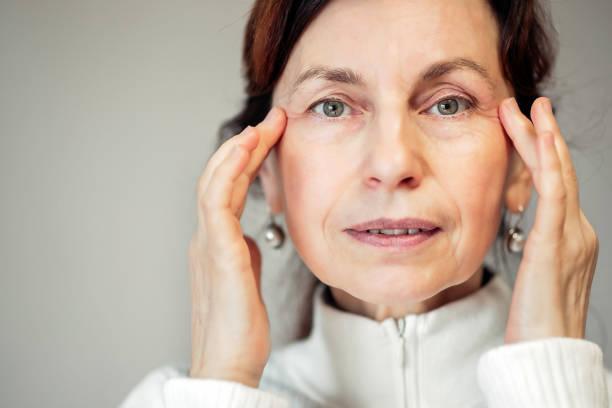
Under-eye bags can make the face appear tired, puffy, or older, even when someone feels well-rested. They often develop as the skin loses elasticity, supporting tissues weaken, and fat beneath the eyes becomes more prominent. While skincare and lifestyle adjustments may improve mild puffiness, persistent bags caused by structural changes may require a different approach. Lower eyelid surgery, also known as lower blepharoplasty, is a procedure designed to improve the contour of the under-eye area by addressing excess fat, loose skin, or both. Understanding the procedure, recovery process, benefits, and potential risks can help individuals make informed decisions about treatment. Eye Bag Removal in Riyadh may involve lower eyelid surgery when an assessment indicates that a surgical approach is suitable.
What Is Lower Eyelid Surgery?
Lower eyelid surgery is a cosmetic procedure that targets puffiness, prominent fat pockets, and certain forms of excess skin beneath the eyes. The aim is to create a smoother transition between the lower eyelids and cheeks while maintaining natural facial proportions.
The procedure does not address every cause of a tired-looking appearance. Dark circles caused by pigmentation, visible blood vessels, or deeper hollows may require different or additional treatments. A consultation helps identify the main concern and determine whether surgery is likely to provide a meaningful improvement.
What Causes Under-Eye Bags?
Several factors contribute to the development of under-eye bags, and understanding them is important when selecting a treatment.
Aging and Loss of Skin Elasticity
As the skin ages, it gradually loses collagen and elasticity. The tissues supporting the lower eyelids may weaken, allowing fat around the eyes to become more noticeable. Loose skin can also contribute to wrinkles and a creased appearance.
Genetics and Facial Structure
Some people develop under-eye bags because of inherited facial characteristics. Their natural fat distribution, eyelid structure, and family history may influence how early puffiness becomes visible.
Fluid Retention and Lifestyle Factors
Temporary swelling can occur after poor sleep, high sodium intake, or an allergic reaction. These factors may make existing bags more noticeable, but they do not necessarily indicate that surgery is needed. Persistent bulging caused by fat protrusion is less likely to improve through lifestyle changes alone.
Who Is a Suitable Candidate for Lower Eyelid Surgery?
Lower eyelid surgery may be appropriate for adults with persistent under-eye bags caused by prominent fat pockets, excess skin, or changes in the supporting tissues. Candidates should generally be in suitable overall health and have realistic expectations about what the procedure can achieve.
During an assessment, the surgeon may evaluate skin elasticity, eyelid position, facial anatomy, eye health, and medical history. Dry eyes, thyroid-related eye conditions, previous eyelid surgery, and certain other medical concerns may affect suitability or surgical planning.
Eye Bag Removal in Riyadh should be planned according to the individual's anatomy and goals rather than using the same technique for everyone. A qualified surgeon can explain whether surgery is appropriate or whether a non-surgical option may better address the concern.
How Is Lower Eyelid Surgery Performed?
The exact technique depends on the amount of excess skin, the position of the fat, and the condition of the lower eyelid.
Transconjunctival Approach
In a transconjunctival procedure, the surgeon makes an incision inside the lower eyelid. This approach may be suitable when the main concern is prominent fat and there is little excess skin to remove. Because the incision is inside the eyelid, there is no visible external incision line.
Subciliary Approach
A subciliary approach uses an incision just beneath the lower eyelashes. It may be considered when both excess skin and fat need to be addressed. The surgeon may remove or reposition fat and carefully manage the skin to improve the under-eye contour.
Fat Repositioning
In selected cases, the surgeon may reposition existing fat rather than removing it entirely. This can help smooth the transition between the lower eyelid and cheek and may reduce the appearance of hollows beneath the eyes.
The best technique depends on individual anatomy, and not every patient requires fat removal or skin excision.
Benefits of Lower Eyelid Surgery
Lower eyelid surgery may offer several benefits for appropriately selected patients.
-
Reduced under-eye puffiness: Addressing prominent fat pockets may make the lower eyelid area appear smoother.
-
Improved facial balance: A more even transition between the eyelids and cheeks may create a refreshed appearance.
-
Management of excess skin: Selected techniques can reduce loose skin and some associated creasing.
-
Long-lasting improvement: Structural changes may remain improved for many years, although natural aging continues.
-
Individualized results: Surgical planning can account for facial anatomy and the patient's desired outcome.
Results vary, and surgery cannot guarantee the complete removal of every wrinkle, shadow, or dark circle.
Recovery After Lower Eyelid Surgery
Recovery varies according to the surgical technique, the extent of treatment, and individual healing. Swelling, bruising, tightness, and temporary discomfort are common during the initial recovery period.
Patients should follow their surgeon's instructions for eye care, cold compresses, medication, sleeping position, and activity restrictions. Strenuous exercise and activities that may strain the eyes should be avoided until the surgeon confirms that they can be resumed safely.
Bruising and swelling generally improve over the following days and weeks, although subtle swelling may persist longer. Follow-up appointments allow the surgical team to monitor healing and identify potential complications. Sudden vision changes, severe eye pain, rapidly increasing swelling, or significant bleeding require urgent medical attention.
Risks and Possible Complications
Like any surgery, lower eyelid surgery carries potential risks. These may include bleeding, infection, scarring, dry eyes, irritation, asymmetry, changes in sensation, or difficulty closing the eyelids. In some cases, the lower eyelid may pull away from the eye or become positioned incorrectly, requiring further treatment.
Temporary blurred vision may occur in certain circumstances, but sudden or significant visual changes should never be ignored. Discussing medical history, eye conditions, medications, and previous procedures with the surgeon helps support safer planning.
Surgical Eye Bag Removal Versus Non-Surgical Treatments
Non-surgical treatments may help when mild puffiness, skin texture, or volume loss is the primary concern. Lifestyle adjustments may also improve temporary swelling caused by fluid retention.
However, non-surgical approaches generally cannot remove significant excess skin or directly correct prominent fat pockets. Lower eyelid surgery may be more suitable for structural concerns, but it involves greater recovery requirements and surgical risks.
Choosing between these options requires an assessment of the underlying cause, expected results, and individual preferences.
Conclusion
Lower eyelid surgery can be an effective option for selected individuals who want to address persistent under-eye bags caused by prominent fat, loose skin, or changes in supporting tissues. Understanding the available surgical techniques, expected recovery, and possible complications helps patients approach treatment with realistic expectations.
For personalized guidance about Eye Bag Removal in Riyadh, contact Royal Clinic Saudia to arrange a consultation and discuss suitable treatment options based on your under-eye concerns and individual needs.

 English
 Arabic
 Spanish
 Portuguese
 Deutsch
 Turkish
 Dutch
 Italiano
 Russian
 Romaian
 Portuguese (Brazil)
 Greek
