How Teeth Braces in Islamabad Pakistan Help Close Gaps Between Teeth
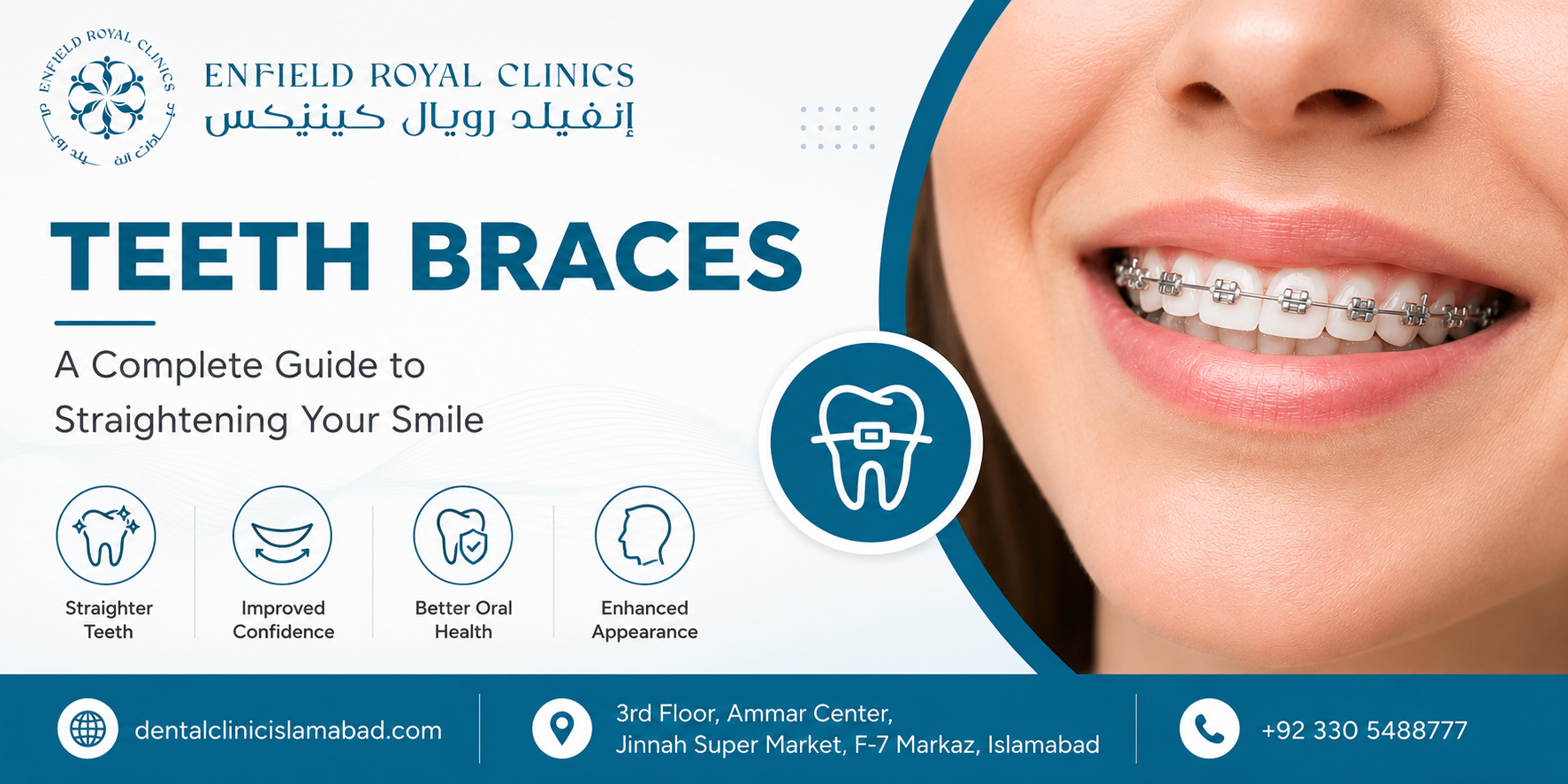
Gaps between teeth, also known as diastemas, are a common orthodontic concern that can affect both children and adults. While some people embrace these spaces as a unique feature, others may feel self-conscious about their smile or experience functional issues related to spacing. Large gaps can also make it easier for food particles to become trapped between teeth, increasing the risk of oral health problems. Teeth braces in Islamabad Pakistan provide an effective solution for closing unwanted spaces and creating a healthier, more balanced smile.
What Causes Gaps Between Teeth?
Tooth spacing can develop for several reasons. Understanding the cause helps orthodontists determine the most effective treatment approach.
Common causes include:
- Genetics
- Small tooth size
- Large jaw size
- Missing teeth
- Gum disease
- Improper swallowing habits
- Tongue thrusting
- Tooth movement over time
A professional orthodontic evaluation can identify the underlying reason for spacing concerns.
How Gaps Affect Oral Health
Although small spaces may not always cause problems, larger gaps can affect oral health and dental function.
Potential concerns include:
- Food trapping
- Plaque accumulation
- Gum irritation
- Bite irregularities
- Difficulty chewing
- Speech concerns
- Tooth shifting
- Reduced smile confidence
Orthodontic treatment helps address these issues while improving overall dental health.
How Braces Close Gaps Between Teeth
Braces apply gentle and controlled pressure that gradually moves teeth into more desirable positions.
Treatment helps:
- Close unwanted spaces
- Improve tooth alignment
- Enhance bite function
- Support gum health
- Improve smile appearance
Orthodontists carefully monitor tooth movement throughout treatment to ensure optimal results.
Benefits of Closing Gaps with Braces
Orthodontic treatment offers both cosmetic and functional advantages.
Improved Smile Appearance
Many patients seek treatment primarily to enhance their smile.
Benefits include:
- Better smile symmetry
- Improved facial harmony
- Straighter appearance
- Enhanced aesthetics
A balanced smile often contributes to greater self-confidence.
Better Oral Hygiene
Large spaces can sometimes collect food particles and bacteria.
Braces help:
- Improve tooth positioning
- Support easier cleaning
- Reduce plaque buildup
- Promote healthier gums
Maintaining oral hygiene becomes more effective after treatment.
Enhanced Bite Function
Properly aligned teeth work together more efficiently.
Benefits include:
- Improved chewing ability
- Better force distribution
- Reduced dental stress
- Enhanced oral function
A healthy bite supports long-term dental wellness.
Increased Confidence
A more balanced smile often improves self-esteem.
Advantages include:
- Greater comfort when smiling
- Improved social confidence
- Better professional interactions
- Positive self-image
Many patients report increased confidence after orthodontic treatment.
Common Orthodontic Problems Associated with Tooth Gaps
Patients with spacing issues may also experience other orthodontic concerns.
These include:
- Crooked teeth
- Rotated teeth
- Overbite
- Underbite
- Crossbite
- Bite irregularities
Comprehensive orthodontic treatment addresses these concerns while closing gaps.
Modern Braces Options Available
Today's orthodontic technology offers multiple treatment choices.
Traditional Metal Braces
Metal braces remain one of the most effective orthodontic systems.
Advantages include:
- Reliable correction
- Strong durability
- Effective tooth movement
- Suitable for complex cases
They continue to provide excellent orthodontic results.
Ceramic Braces
Ceramic braces use tooth-colored brackets that blend naturally with teeth.
Benefits include:
- Less visible appearance
- Effective alignment correction
- Comfortable wear
- Popular among adults
They offer a discreet treatment option.
Self-Ligating Braces
Self-ligating braces use advanced clips instead of elastic ties.
Advantages include:
- Reduced friction
- Easier maintenance
- Improved comfort
- Efficient treatment progression
Many patients appreciate their convenience.
Clear Aligners
Clear aligners use transparent removable trays to gradually reposition teeth.
Benefits include:
- Nearly invisible appearance
- Comfortable fit
- Better oral hygiene
- Easy removal
Suitability depends on individual orthodontic requirements.
The Orthodontic Treatment Process
Orthodontic treatment follows a personalized and structured approach.
Initial Consultation
The orthodontist performs a detailed assessment that may include:
- Oral examination
- Bite evaluation
- Digital scans
- X-rays
- Clinical photographs
These records help determine the most appropriate treatment strategy.
Customized Treatment Planning
Treatment recommendations are based on:
- Severity of spacing
- Oral health condition
- Bite relationship
- Treatment objectives
- Estimated timeline
Every patient receives individualized care.
Active Treatment
Brackets and wires or aligners gradually move teeth into healthier positions.
Follow-Up Appointments
Routine visits allow the orthodontist to:
- Monitor progress
- Adjust appliances
- Guide tooth movement
- Ensure successful outcomes
Regular monitoring supports treatment success.
Maintaining Oral Hygiene During Treatment
Good oral hygiene remains important throughout orthodontic care.
Patients should:
- Brush after meals
- Floss daily
- Use fluoride toothpaste
- Clean around orthodontic appliances
- Attend routine dental visits
- Follow professional recommendations
Proper care helps maintain healthy teeth and gums.
Retainers and Maintaining Results
After braces are removed, retainers help preserve the corrected alignment.
Retainers help:
- Prevent tooth shifting
- Maintain spacing correction
- Preserve treatment results
- Support long-term stability
Following retainer instructions helps ensure lasting success.
Long-Term Benefits of Gap Closure
The advantages of orthodontic treatment continue long after braces are removed.
These benefits include:
- Improved smile aesthetics
- Better oral hygiene
- Healthier gums
- Enhanced bite function
- Increased confidence
- Better dental stability
- Reduced future dental issues
- Long-lasting results
These improvements contribute to healthier and more attractive smiles.
Final Thoughts
Gaps between teeth can affect both appearance and oral health, but braces provide an effective solution for closing spaces and improving overall dental function. Modern orthodontic treatments help create balanced smiles while supporting healthier teeth and gums. For expert orthodontic care and personalized treatment plans, visit Dental Clinic Islamabad.

 English
 Arabic
 French
 Spanish
 Portuguese
 Deutsch
 Turkish
 Dutch
 Russian
 Romaian
 Portuguese (Brazil)
 Greek