
Botox in Riyadh: Understanding Results, Recovery, and Aftercare
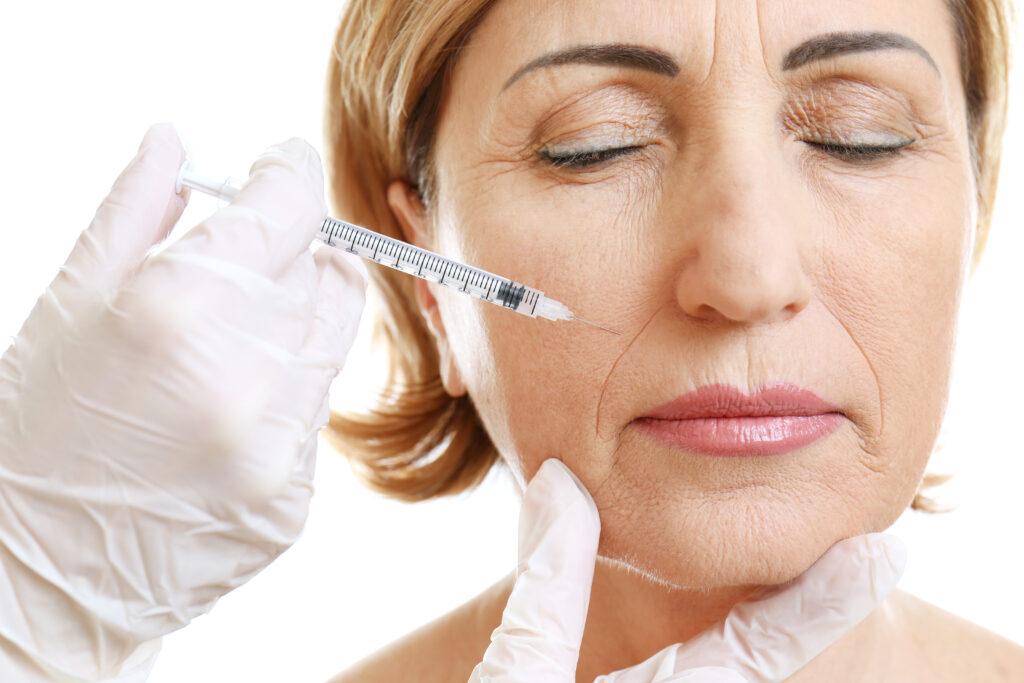
Interest in non-surgical cosmetic treatments has increased as people look for ways to soften facial wrinkles and maintain a refreshed appearance without undergoing surgery. Botox is one of the treatments commonly considered for reducing the appearance of certain expression lines, particularly those that develop through repeated facial movements. Understanding how the procedure works, what results to expect, and how to care for the skin afterward can help individuals make informed decisions.
When researching Botox injections in Riyadh, people often want to understand treatment suitability, the injection process, recovery expectations, possible side effects, and how long the results may last. Learning about these aspects is important before deciding whether the procedure meets individual aesthetic goals. The same considerations apply to people exploring Botox injections in Saudi Arabia, where professional assessment and appropriate treatment practices remain essential.
What Are Botox Injections?
Botox is a brand name for a botulinum toxin type A product used in carefully controlled medical applications. In cosmetic treatments, it temporarily reduces activity in selected muscles by interfering with the nerve signals that cause muscle contractions. When these muscles relax, the appearance of certain wrinkles associated with repeated facial expressions may become less noticeable.
The treatment is commonly used for dynamic wrinkles, which form through movements such as frowning, raising the eyebrows, and smiling. Typical treatment areas include forehead lines, the lines between the eyebrows, and crow's feet around the outer corners of the eyes. Other uses may be appropriate in specific circumstances following a qualified professional's assessment.
Unlike dermal fillers, which add volume to selected areas, Botox works by temporarily reducing muscle activity. Understanding this difference helps people develop realistic expectations and choose an appropriate approach for their concerns.
Why Do People Consider Botox in Riyadh?
People exploring cosmetic treatments in Riyadh may want to soften expression lines while maintaining their natural facial features. Botox can help reduce the visibility of selected wrinkles without requiring surgical incisions or an extended recovery period. The procedure is generally performed during an outpatient appointment, although suitability depends on the individual's health, treatment goals, and the area being addressed.
Another reason people consider this treatment is its temporary nature. The effects gradually wear off, allowing facial muscle activity to return over time. This may appeal to individuals who prefer a non-permanent approach to wrinkle reduction.
However, Botox does not address every sign of facial ageing. It is generally more effective for wrinkles caused by muscle movement than for significant skin laxity, deep volume loss, or changes in skin texture. A professional consultation helps determine whether Botox alone is appropriate or whether another approach may better address the concern.
How the Botox Treatment Process Works
Initial Consultation and Facial Assessment
The process begins with a consultation to discuss aesthetic goals, medical history, current medications, allergies, previous cosmetic procedures, and any relevant health conditions. The practitioner examines facial movements and identifies the muscles contributing to the wrinkles being treated.
This assessment helps determine whether Botox is suitable and establishes an appropriate treatment plan. People should disclose all relevant medications and supplements, particularly those that may affect bleeding, as well as any history of neuromuscular conditions. Pregnancy and breastfeeding should also be discussed because cosmetic Botox treatment is generally avoided during these periods due to insufficient safety data.
Preparing for the Procedure
Preparation instructions depend on the individual's circumstances and the practitioner's advice. Patients should arrive with clean skin and inform the practitioner about any active skin infection, inflammation, or irritation around the intended injection sites.
Some medications and supplements can increase bruising risk. Patients should not stop prescribed medication independently; instead, they should ask their healthcare professional whether any adjustments are appropriate. Clear communication before treatment supports safer decision-making.
During the Injections
The practitioner cleans the treatment area and administers small amounts of the product into selected muscles using a fine needle. The number and placement of injections depend on the facial anatomy, the treatment area, and the desired outcome.
The procedure usually takes a short time, and most people experience only mild, brief discomfort. Temporary redness, tenderness, or small marks may appear around the injection sites. Individual experiences vary, and the practitioner should explain the expected sensations and possible reactions before proceeding.
When Will Botox Results Become Visible?
Botox does not usually produce an immediate change. Some people begin noticing an effect within a few days, while the results generally develop over approximately one to two weeks. The exact timeline varies according to the product used, the muscles treated, the dose, and individual response.
The final appearance also depends on the depth and type of wrinkles present before treatment. Dynamic lines may become less noticeable as the targeted muscles relax, while deeply established lines may remain partially visible. Botox is not intended to eliminate every wrinkle or stop the natural ageing process.
When considering Botox injections in Saudi Arabia, it is helpful to evaluate results after sufficient time has passed rather than judging the outcome immediately after the appointment. If the effect appears uneven or concerns arise, patients should contact their practitioner instead of arranging an additional injection too soon.
How Long Do Botox Results Last?
Cosmetic Botox results commonly last around three to four months, although some people notice shorter or longer effects. The duration depends on several factors, including the treatment area, muscle activity, dosage, individual metabolism, and the product administered.
As the effect gradually diminishes, the treated muscles regain movement and expression lines may become more visible again. This process usually occurs gradually rather than all at once.
Some individuals choose repeat treatments to maintain their preferred appearance. However, the timing and suitability of additional sessions should be determined with a qualified practitioner. Receiving injections more frequently than recommended may increase risks and is not a guarantee of better results.
Recovery and Aftercare Following Botox
Immediate Care After Treatment
Most people can resume their usual daily activities soon after receiving Botox. Mild redness, swelling, tenderness, or bruising can occur and generally improves without special treatment. Following the practitioner's instructions helps reduce unnecessary irritation and supports appropriate recovery.
Patients are commonly advised to avoid rubbing or massaging the injection sites and to follow the specific guidance provided about exercise and other activities immediately after treatment. Although strict restrictions are not always necessary, individual instructions should take priority.
Activities to Approach Carefully
Practitioners may recommend avoiding strenuous exercise for a short period after injections, depending on their protocol and the patient's circumstances. Patients should also ask when it is appropriate to resume activities that place pressure on the treated area.
It is not necessary to follow every aftercare recommendation found online because instructions can differ. The treating professional can explain which precautions are relevant to the specific procedure and whether any individual health considerations require additional care.
Skin Care and Daily Routine
A gentle skin-care routine is usually appropriate after treatment. Patients can ask their practitioner when to resume active ingredients, facial treatments, exfoliation, or other procedures that may irritate the skin. Avoiding unnecessary friction around the injection sites is particularly sensible during the early recovery period.
Maintaining adequate hydration, using sun protection, and following a consistent skin-care routine can support overall skin health. These habits do not extend Botox's muscle-relaxing effect directly, but they can contribute to a healthier-looking complexion.
Possible Side Effects and Safety Considerations
Botox is widely used for approved medical and cosmetic indications, but it is not risk-free. Common temporary side effects include pain or tenderness at the injection site, bruising, swelling, and headache. Depending on the area treated, some people may experience temporary eyelid or eyebrow drooping, facial asymmetry, or unwanted changes in facial movement.
Rarely, botulinum toxin effects can spread beyond the injection site and cause serious symptoms. Difficulty swallowing, speaking, or breathing, significant generalized weakness, or vision problems require urgent medical attention.
Choosing a properly qualified healthcare professional who understands facial anatomy is an important safety consideration. Patients should confirm that the product is authorized for the intended use, obtained through legitimate channels, stored appropriately, and administered in a suitable medical setting. They should also discuss medical history and ask questions about risks, expected benefits, and alternatives before consenting to treatment.
Who May Be Suitable for Botox?
Botox may be appropriate for adults who want to reduce selected expression lines and understand the treatment's temporary effects and limitations. Suitability depends on medical history, facial anatomy, treatment goals, and the specific product being considered.
People with certain neuromuscular disorders, relevant allergies, an infection at the proposed injection site, or other medical concerns may require additional evaluation or may not be suitable candidates. Anyone who is pregnant or breastfeeding should discuss the lack of sufficient safety evidence for elective cosmetic treatment with a healthcare professional.
A consultation should include an honest discussion of realistic outcomes. Patients should feel comfortable asking about practitioner qualifications, product authenticity, alternatives, possible complications, and the plan for managing any adverse reaction.
Frequently Asked Questions
1. How long does Botox take to work?
Initial effects may appear within a few days, with results generally becoming clearer over approximately one to two weeks. The timing varies by individual and treatment area.
2. Is Botox treatment painful?
Most people experience mild, brief discomfort from the injections. Temporary tenderness, redness, or bruising may occur, but the procedure usually does not require significant downtime.
3. How long do Botox injections last?
Results commonly last around three to four months. Duration varies according to muscle activity, treatment area, dosage, and individual response.
4. What should I avoid after Botox injections?
Avoid rubbing or massaging the treated area and follow the practitioner's specific aftercare instructions. Ask about exercise, facial treatments, and other activities rather than relying on generalized advice.
5. Are Botox injections in Saudi Arabia safe?
Botox can be used safely when appropriately prescribed and administered by a qualified professional using an authorized product. Risks remain, so medical screening, informed consent, and correct injection techniques are important.
6. Can Botox completely remove facial wrinkles?
Botox can reduce selected expression lines, but it does not eliminate every wrinkle. Deep static lines, skin laxity, and volume loss may require a different approach or additional assessment.
Conclusion
Botox can be an option for adults who want to soften selected facial expression lines without surgery. Understanding the treatment process, expected results, recovery recommendations, and potential side effects helps people make informed decisions and maintain realistic expectations. Results are temporary, and individual suitability should always be established through a professional assessment.
For anyone researching Botox injections in Riyadh or considering Botox injections in Saudi Arabia, the most important priorities are safety, appropriate practitioner qualifications, authentic products, and personalized advice. Enfield Royal Clinic Saudi is a name people may encounter when exploring aesthetic treatment information; regardless of where treatment is considered, patients should independently verify professional credentials, product authorization, and the suitability of the proposed procedure before proceeding.

 English
 Arabic
 French
 Spanish
 Portuguese
 Deutsch
 Turkish
 Dutch
 Russian
 Romaian
 Portuguese (Brazil)
 Greek
