
How to Arrange Spotlights on a Kitchen Ceiling for the Best Lighting
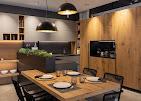
Kitchen lighting affects much more than the appearance of a room. It influences how comfortably you prepare food, how clearly you see your work surfaces, and how welcoming the kitchen feels in the evening. Recessed ceiling spotlights are a popular choice because they provide a neat, unobtrusive finish while distributing light throughout the space.
Como distribuir focos en el techo cocina
However, installing spotlights in a random pattern can create dark corners, unwanted shadows, or excessive brightness in certain areas. The best arrangement considers the kitchen layout, ceiling height, cabinet positions, and the activities performed in different zones. With careful planning, spotlights can provide practical illumination while enhancing the overall design.
Start by Mapping the Kitchen Layout
Before deciding where to position ceiling spotlights, create a simple plan of the kitchen. Mark the walls, cabinets, countertops, sink, hob, refrigerator, and any island or dining area. Include windows and doors because natural light and movement through the room can influence the lighting arrangement.
The aim is to distribute light according to how the kitchen is used rather than simply spacing every spotlight evenly across the ceiling.
For example, the main preparation area needs clear, consistent illumination, while a dining corner may benefit from softer lighting. A kitchen island may require its own lighting arrangement if it serves as a workspace or informal dining area.
Planning these zones before installation helps prevent poorly positioned lights and reduces the need for later adjustments.
How Far Apart Should Kitchen Spotlights Be?
The ideal distance between spotlights depends on the beam angle, brightness, ceiling height, and type of fitting. There is no single spacing measurement that works for every kitchen.
As a preliminary guide, recessed spotlights in a typical residential kitchen might be spaced approximately 1.2–1.8 metres apart. This range is only a starting point; the manufacturer's lighting data and a room-specific plan should determine the final positions.
Lights placed too far apart may leave noticeable dark patches between their beams. If they are positioned too closely, the ceiling can become cluttered with fittings and the room may receive more light than necessary.
It is also important to consider how the beams overlap. A broad beam angle can cover a larger area, while a narrow beam produces a more concentrated pool of light. Combining the correct spacing with suitable beam angles creates more consistent illumination.
Position Spotlights to Illuminate Worktops
One of the most important areas to consider is the countertop. Chopping ingredients, reading measurements, and preparing meals all require good visibility.
If spotlights are positioned too far behind the person working at the counter, their body may cast a shadow over the work surface. Placing the lights thoughtfully in relation to the countertop can reduce this problem.
The position of wall cabinets also matters. Cabinets may block light from reaching parts of the worktop, particularly when the ceiling fittings are located too far into the room.
For this reason, recessed spotlights should be coordinated with the kitchen's cabinet layout. Under-cabinet lighting can provide additional illumination directly onto the work surface, complementing the general ceiling lights.
A combination of ceiling and task lighting often produces a more practical result than relying on spotlights alone.
Create Separate Lighting Zones
A well-designed kitchen usually contains several functional areas, and each may require a different lighting approach.
Food preparation zone: Use sufficient, evenly distributed light to make cutting, mixing, and other tasks comfortable.
Cooking zone: Provide clear illumination around the hob and oven, while ensuring fittings are suitable for their location and comply with relevant installation requirements.
Sink area: Position lighting to make washing dishes and cleaning visible without creating distracting reflections.
Kitchen island: Consider the island's size and purpose. Recessed spotlights can provide general illumination, while pendant lights may add focused light and decorative character.
Dining or seating area: Softer, dimmable lighting can create a more relaxed atmosphere when the area is used for meals or conversation.
Separating the kitchen into zones allows the lighting to adapt to different activities. Where appropriate, separate switches or dimmer controls make this flexibility easier to achieve.
Choose the Right Brightness and Colour Temperature
Spotlight brightness is commonly measured in lumens. The amount required depends on the kitchen's dimensions, wall and cabinet colors, natural light, and the activities taking place.
A kitchen with dark cabinetry may absorb more light than a room with pale surfaces. Similarly, a space with large windows may need less artificial illumination during daylight hours.
Colour temperature also influences the atmosphere. Warm white lighting, around 2700–3000 kelvin, creates a softer appearance. Neutral white lighting, approximately 3500–4000 kelvin, can provide a clearer, more balanced working environment.
The best choice depends on personal preference and the materials in the kitchen. Consistency is important: using bulbs with noticeably different colour temperatures in the same visual area can make the lighting feel uneven.
For flexibility, consider dimmable fittings and compatible controls, ensuring that the selected lamps, drivers, and switches work together.
Avoid Glare and Unwanted Shadows
More spotlights do not automatically produce better lighting. Poorly positioned fittings can cause glare, create harsh contrasts, or make reflective surfaces uncomfortable to look at.
Avoid placing concentrated beams where they shine directly into people's eyes when they stand, sit, or move through the kitchen. Highly polished countertops and glossy cabinet fronts may also reflect bright light, so beam direction and fitting design deserve attention.
Dark corners can often be improved by adjusting the layout or adding task lighting instead of increasing the brightness of every ceiling fitting.
A balanced arrangement combines general illumination with focused light where it is needed. This approach makes the kitchen comfortable to use without making it feel excessively bright.
Adapt the Arrangement to Ceiling Height
Ceiling height affects how light spreads through the room. In lower ceilings, wider beam angles and carefully positioned fittings can help provide broad illumination without harsh pools of light.
Higher ceilings may require brighter fittings, narrower beams, or a different lighting layout to ensure that enough light reaches the work surfaces. The manufacturer's photometric information can help determine how each fitting performs at the intended mounting height.
Recessed spotlights also require suitable ceiling depth and clearance. Before installation, check for structural elements, insulation, ventilation equipment, and electrical services that may affect the fitting's placement.
A qualified electrician should confirm that the chosen fittings are suitable for the ceiling construction and the kitchen environment.
Coordinate Lighting with Kitchen Furniture
Spotlight placement should complement the cabinet arrangement rather than being designed independently. Tall cabinets, wall units, islands, and open shelving all influence how light moves around the room.
At Gelse Cocinas, custom-designed kitchen cabinetry emphasizes quality, durability, and practical use of space. Coordinating the furniture layout with the lighting plan can help illuminate work surfaces effectively while preserving the kitchen's visual balance.
Planning both elements together is especially valuable when designing handleless cabinetry, tall storage units, or an island with multiple functions.
Create a Well-Lit Kitchen with Careful Planning
To arrange kitchen ceiling spotlights effectively, begin with the room layout, identify the main working zones, and select suitable brightness and beam angles. Then adjust the spacing to account for ceiling height, cabinets, and the position of the people using the space.
Avoid relying on equal spacing alone. The best arrangement delivers light where it is needed, minimizes shadows, and creates a comfortable atmosphere throughout the kitchen.
With a thoughtful lighting plan and professional installation, spotlights can support everyday cooking while enhancing the appearance and functionality of a well-designed kitchen.

 English
 Arabic
 French
 Spanish
 Portuguese
 Deutsch
 Turkish
 Italiano
 Russian
 Romaian
 Portuguese (Brazil)
 Greek
