
Cold Peeling Aftercare: Tips for Healthy-Looking Skin
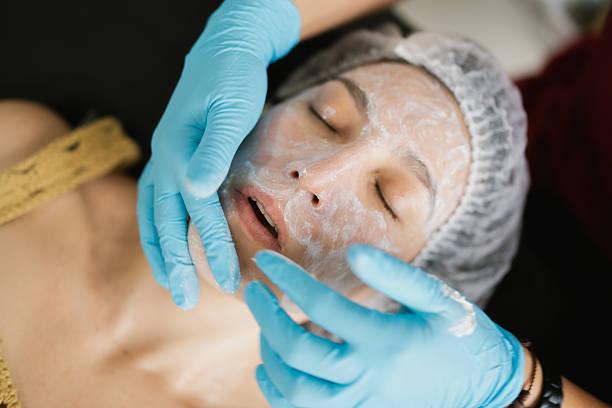
Proper aftercare plays an essential role in maintaining skin comfort and supporting the results of a professional peeling treatment. People considering Cold Peeling in Riyadh should understand that the skin may become temporarily dry, sensitive, or flaky as it responds to treatment. Following the right aftercare routine can help protect the skin barrier, minimize irritation, and encourage a smoother, healthier-looking complexion. The exact instructions depend on the peel formulation, the skin concern being treated, and the individual's skin type.
For anyone undergoing Cold Peeling in Riyadh, the first few days after treatment are particularly important because the skin may be more vulnerable to irritation and environmental exposure. Using gentle skincare products, avoiding excessive sun exposure, and following professional guidance can help the skin recover comfortably. Although some people notice an improvement in brightness and texture over time, recovery varies, and results should not be rushed by using strong skincare products too early.
Why Is Cold Peeling Aftercare Important?
Aftercare helps maintain the skin's protective barrier while it recovers from treatment. Even when a peeling procedure is designed to be gentle, temporary dryness, tightness, redness, or flaking may occur. Appropriate care helps reduce unnecessary irritation and supports a more comfortable recovery.
-
Protects the skin barrier: Gentle products help prevent additional dryness and irritation.
-
Supports skin recovery: Moisturization helps maintain hydration while the skin settles.
-
Reduces the risk of pigmentation: Sun protection helps limit UV-related discoloration.
-
Maintains treatment benefits: Consistent skincare can support a smoother and more even-looking complexion.
What Should You Do Immediately After Cold Peeling?
Your skincare professional should provide instructions specific to the treatment you receive. In general, a simple routine is preferable immediately after a peel, particularly if your skin feels sensitive or tight.
Cleanse Your Skin Gently
Use a mild, fragrance-free cleanser if your provider says cleansing is appropriate. Avoid hot water, rough washcloths, cleansing brushes, and aggressive scrubbing. Pat your face dry with a clean, soft towel rather than rubbing it.
Apply a Suitable Moisturizer
A gentle moisturizer can help reduce dryness and support the skin barrier. Choose a product suitable for sensitive skin and avoid formulas that sting or contain unnecessary fragrances. If your provider recommends a specific recovery product, follow those instructions.
Avoid Touching or Picking Flaking Skin
Some peeling or flaking may occur depending on the treatment. Allow loose skin to shed naturally instead of pulling or scraping it away. Picking can cause irritation, prolong recovery, and increase the risk of marks or infection.
Which Skincare Products Should You Avoid After Cold Peeling?
The skin may be temporarily more sensitive after treatment, so it is important to avoid products that could cause additional irritation. The length of time these products should be paused depends on the specific peel and your skin's response.
Avoid Strong Exfoliants
Products containing exfoliating acids, such as glycolic acid, salicylic acid, or lactic acid, may be too irritating during early recovery. Scrubs and other exfoliating treatments should also be avoided until your skincare professional confirms that your skin is ready.
Pause Retinoids When Advised
Retinol and prescription retinoids can cause dryness or irritation, particularly when the skin barrier is recovering. Ask your provider when to restart them rather than following a fixed timeline.
Be Careful With Potentially Irritating Ingredients
Some acne treatments, fragranced products, and concentrated active ingredients may cause stinging or redness. Keep your routine simple and discontinue any product that causes significant discomfort. Do not introduce several new products during recovery.
How Important Is Sun Protection After Cold Peeling?
Sun protection is one of the most important parts of post-peel skincare. Ultraviolet exposure can irritate recovering skin and contribute to the return or worsening of pigmentation. People who are prone to dark spots or melasma may need particular care because inflammation and sunlight can trigger further discoloration.
Use Broad-Spectrum Sunscreen
Once your provider says sunscreen is appropriate, use a broad-spectrum sunscreen with SPF 30 or higher. Reapply it as directed, especially when spending extended periods outdoors. If a product stings, ask your provider about a suitable alternative.
Limit Direct Sun Exposure
Seek shade, wear a wide-brimmed hat, and use protective clothing when outdoors. Avoid unnecessary exposure during periods of intense sunlight, particularly while the skin remains red, sensitive, or flaky.
Do Not Rely on Sunscreen Alone
Combining sunscreen with shade and protective clothing provides a more complete approach to sun protection. These habits are especially helpful when treating pigmentation concerns because UV exposure can undermine improvements in skin tone.
What Should You Avoid During Recovery?
Certain activities can increase heat, friction, or irritation and may be unsuitable immediately after a peel. Follow your provider's specific recommendations because restrictions vary according to treatment intensity.
-
Intense exercise: Consider postponing strenuous workouts if sweating or increased skin warmth causes discomfort.
-
Saunas and steam rooms: Avoid excessive heat while the skin is sensitive.
-
Swimming: Chlorinated pools and other water environments may irritate recently treated skin.
-
Additional skin treatments: Delay waxing, scrubs, laser procedures, and other exfoliating treatments until your provider confirms they are appropriate.
How Long Does Skin Take to Recover After Cold Peeling?
Recovery time varies according to the peel formulation, treatment depth, and individual skin response. Some people experience only mild dryness or sensitivity, while others may develop more noticeable flaking over several days or longer. Pigmentation improvements can take additional time to become visible, so the skin's recovery period and the timeline for final results are not necessarily the same.
Avoid comparing your recovery with someone else's experience. Follow the instructions provided for your specific treatment, and contact your skincare professional if symptoms are worsening instead of improving.
When Should You Seek Professional Advice?
Mild, temporary dryness or flaking may occur after a peel, but severe or worsening symptoms should not be ignored. Contact your treatment provider if you experience increasing redness, significant swelling, persistent burning, blistering, or signs of infection. Severe pain, rapidly spreading swelling, or other concerning symptoms require prompt medical assessment.
Do not attempt to treat significant irritation with additional acids, scrubs, or unprescribed products. A professional can assess your skin and recommend appropriate care.
Maintain Healthy-Looking Skin With Royal Clinic Saudia
If you are considering Cold Peeling in Riyadh, Royal Clinic Saudia can help you understand the treatment process and the aftercare your skin may need. A professional consultation can help determine whether cold peeling is suitable for your concerns and provide guidance on skincare, sun protection, and recovery. Following personalized advice can help you care for your skin safely and maintain a healthy-looking complexion.
FAQs:
Can I wash my face after cold peeling?
This depends on the specific peel and the instructions provided by your skincare professional. When cleansing is permitted, use a gentle cleanser and lukewarm water, and avoid scrubbing the treated skin.
Can I wear makeup after cold peeling?
You may need to avoid makeup until the skin has settled, particularly if there is redness, irritation, or peeling. Ask your provider when it is safe to resume makeup and choose non-irritating products.
Is peeling or flaking normal after cold peeling?
Mild flaking or dryness may occur with some peeling treatments, but the response varies. Do not pick the skin, and contact your provider if you develop severe pain, blistering, or worsening irritation.
When can I return to my regular skincare routine?
The timing depends on the peel and your skin's recovery. Restart exfoliants, retinoids, and other active ingredients only when your skincare professional advises that it is appropriate.

 English
 Arabic
 French
 Spanish
 Portuguese
 Deutsch
 Dutch
 Italiano
 Russian
 Romaian
 Portuguese (Brazil)
 Greek
