
Fat Transfer in Riyadh: Before-and-After Expectations
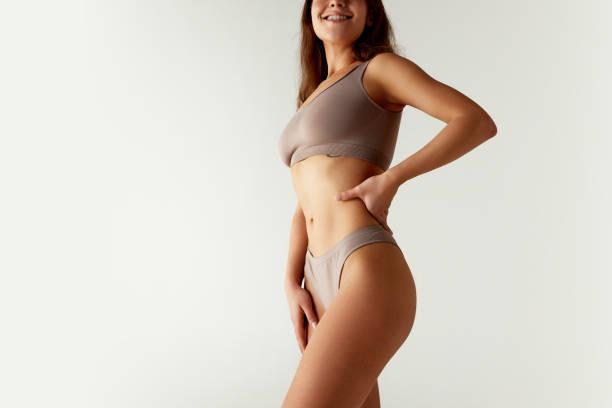
Fat transfer is a cosmetic procedure that uses fat from one area of the body to enhance volume in another. It is often chosen by people who want to improve body contours, restore facial fullness, or achieve a more balanced appearance using their own body fat. Understanding the before-and-after expectations can help patients prepare for the procedure, make informed decisions, and develop realistic goals for their results.
Fat Transfer Surgery In Riyadh is an option for individuals seeking a personalized approach to body contouring and natural-looking enhancement. Before considering treatment, it is important to understand how the procedure works, what recovery involves, and why the final results may differ from the initial appearance. Knowing what to expect at each stage can help you feel more confident throughout your cosmetic journey.
What Is Fat Transfer Surgery?
Fat transfer, also known as fat grafting or fat injection, involves removing fat from one part of the body and transferring it to another area. Common donor areas include the abdomen, thighs, and flanks, depending on the patient's body composition and treatment goals.
The procedure generally involves three stages: fat removal, purification, and reinjection. First, fat is gently collected through liposuction. The extracted fat is then processed to separate suitable fat cells from unwanted fluids and impurities. Finally, the prepared fat is carefully injected into the targeted area to improve volume and contour.
Fat transfer may be used for facial rejuvenation, buttock enhancement, breast contouring in selected cases, and other aesthetic applications. Suitability depends on individual anatomy, available donor fat, and the desired outcome.
Before Fat Transfer: What to Expect
Initial Consultation and Assessment
Before undergoing fat transfer, patients typically attend a consultation to discuss their aesthetic concerns and expectations. The practitioner evaluates the areas where fat may be collected and the area intended for enhancement. Medical history, general health, skin condition, and available fat reserves may also be assessed.
This consultation is an opportunity to discuss the potential benefits, limitations, recovery requirements, and possible complications. Patients should communicate their goals clearly while remaining open to professional recommendations about achievable results.
Preparing for the Procedure
Preparation may involve following specific instructions about medications, smoking, hydration, and eating before treatment. Patients should disclose all medications and supplements they use, particularly those that may affect bleeding or healing. Any changes to prescribed medication should be made only with guidance from the treating healthcare professional.
Arranging transportation and assistance during the initial recovery period can also make the experience more comfortable.
After Fat Transfer: Understanding the Results
Immediate Changes After Treatment
Immediately after fat transfer, the treated area may appear fuller than expected. This is partly due to swelling, and not all transferred fat cells will survive. Bruising, tenderness, and temporary discomfort can also occur in both the donor and recipient areas.
These early changes are normal parts of the healing process, but patients should follow their aftercare instructions carefully. The initial appearance should not be considered the final result.
How Results Develop Over Time
During the following weeks, swelling gradually decreases and the transferred fat begins to settle. Some of the injected fat is naturally reabsorbed by the body, while the surviving fat cells may establish a lasting presence in the treated area.
More meaningful results often become apparent over several months, although the timeline varies depending on the treatment area, individual healing, and the amount of fat retained. Follow-up appointments allow the practitioner to assess progress and determine whether additional treatment may be appropriate.
Factors That Influence the Final Outcome
Final results depend on several factors, including the amount of viable fat transferred, the technique used, the treated area, and the body's healing response. Significant weight fluctuations may affect the appearance of the results because transferred fat cells can increase or decrease in size as body weight changes.
Maintaining a relatively stable weight and following recommended aftercare can help support a more predictable outcome. However, no procedure can guarantee perfect symmetry or a specific level of fat retention.
Recovery and Aftercare Tips
Recovery recommendations vary according to the treatment area and extent of the procedure. Patients may need to limit strenuous exercise, avoid pressure on certain treated areas, and wear compression garments when recommended. Gentle movement may be encouraged to support general recovery, but activity should be resumed according to professional guidance.
Keeping follow-up appointments is essential for monitoring healing and identifying potential concerns early. Severe or worsening pain, increasing redness, fever, unusual discharge, chest pain, or shortness of breath requires prompt medical attention.
Frequently Asked Questions
How long does it take to see the final results of fat transfer?
Initial changes are visible immediately, but swelling and natural fat reabsorption affect the appearance. Results generally become clearer over several months as the treated area settles.
Are fat transfer results permanent?
Some transferred fat can survive long term, but a portion is usually reabsorbed. Lasting results depend on fat retention, weight stability, and individual healing.
Will there be scars after fat transfer surgery?
The procedure generally involves small incisions for fat removal and injection. These may leave minor scars, although their visibility varies depending on healing and individual skin characteristics.
Can fat transfer be performed on different body areas?
Yes, fat transfer may be used for facial enhancement, buttock augmentation, and selected breast contouring procedures. Suitability depends on the patient's health, available donor fat, and treatment goals.
When can I return to normal activities after fat transfer?
Recovery varies according to the treatment area and procedure. Light activities may resume relatively early, while strenuous exercise and activities that place pressure on the treated area may require a longer break.
Book Your Fat Transfer Consultation
If you are considering fat transfer and want to understand which approach may suit your goals, a professional consultation is an important first step. Enfield Royal Clinic can help you explore available treatment options, understand realistic before-and-after expectations, and learn about the recovery process. Schedule a consultation to discuss your concerns, ask questions, and make an informed decision about your aesthetic care.

 English
 Arabic
 Spanish
 Portuguese
 Deutsch
 Turkish
 Dutch
 Italiano
 Russian
 Romaian
 Portuguese (Brazil)
 Greek
