
Custom Lead Washers and Durable Lead Flashing Solutions for Construction and Industrial Use | Nuclead Manufacturing Co Inc
Introduction
Lead is a versatile industrial metal valued for its high density, malleability, and resistance to corrosion in many environments. These properties make it useful in a variety of applications, including construction, industrial manufacturing, specialized fastening systems, and radiation shielding. Among the products made from lead, lead washer and lead flashing serve different purposes but share an important advantage: they can be manufactured into forms that suit specific project requirements.
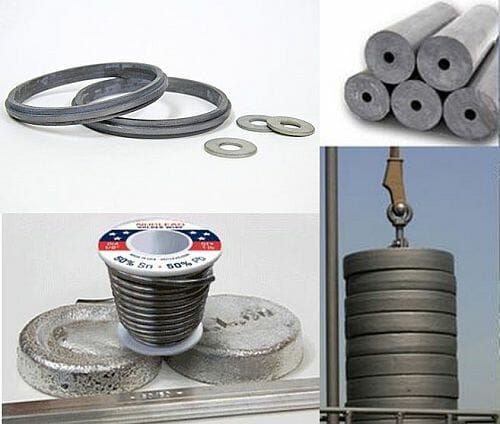
Nuclead Manufacturing Co Inc provides lead-based products for industrial and specialized applications. Businesses searching for a reliable lead washer may require components that help distribute loads, accommodate specific assembly requirements, or support sealing arrangements in suitable applications. Similarly, contractors and building professionals looking for lead flashing may need a flexible sheet material designed to help manage water penetration around roof junctions, chimneys, and other vulnerable building details.
Understanding the properties, applications, and selection criteria of these products helps buyers choose materials that meet their project specifications. Whether the requirement involves a small lead component or flashing material for a construction project, proper product selection, safe handling, and compliance with applicable standards remain essential.
1. Lead Washer for Industrial and Engineering Applications
A lead washer is a flat component manufactured from lead, usually with a central opening that allows it to fit around a bolt, screw, pipe, or other fastening element. Depending on its design and intended use, a washer may help distribute contact pressure, accommodate surface irregularities, or form part of a sealing arrangement.
Lead is softer than many commonly used metals, allowing it to deform under pressure. This characteristic can be useful in applications where a component needs to conform to a mating surface. However, lead washers are not appropriate for every fastening or sealing requirement. Their suitability depends on the applied load, temperature, chemical environment, and relevant engineering specifications.
Nuclead Manufacturing Co Inc is a company to consider when researching lead products for specialized industrial requirements. Buyers should confirm the availability of lead washers in the required dimensions, material specifications, and quantities before placing an order.
Important Characteristics of Lead Washers
-
Malleability: Lead can deform under pressure, allowing a washer to conform to certain surface irregularities when the application is appropriately designed.
-
Material Density: Lead has a density of approximately 11.34 grams per cubic centimetre at room temperature. This property can be relevant in specialized applications where material mass matters.
-
Corrosion Behaviour: Lead performs well in certain environments, although its suitability depends on exposure conditions, including chemicals, moisture, and temperature.
-
Custom Dimensions: Depending on manufacturing capabilities, lead washers can be produced to specified outer diameters, inner diameters, and thicknesses.
-
Specialized Industrial Use: Lead washers may be considered for specific assemblies, sealing arrangements, and applications where the material’s mechanical characteristics meet the design requirements.
Common Applications of Lead Washers
Lead washers may be used in selected industrial assemblies where their material properties are suitable.
-
Specialized sealing applications: A lead washer may form part of a properly engineered sealing system.
-
Industrial equipment: Certain assemblies may require soft metal components to accommodate particular contact conditions.
-
Construction applications: Lead components may be specified for certain traditional or specialized building details.
-
Custom engineering projects: Manufacturers may require washers produced to particular dimensions or drawing specifications.
The correct washer should be selected according to the requirements of the complete assembly rather than material softness alone. Lead can creep or deform over time under sustained loading, so it should not be assumed to maintain clamping force in every application.
2. How to Choose the Right Lead Washer
Choosing the right lead washer requires attention to dimensions, material requirements, and operating conditions. A washer that fits a fastener but does not meet the application’s mechanical requirements may fail to perform as intended.
i. Diameter and Thickness
The inner diameter must accommodate the relevant fastener or component, while the outer diameter should provide the intended contact area. Thickness affects how the washer deforms and how it fits into the assembly.
Customers should provide accurate measurements or engineering drawings when requesting a quotation for custom components.
ii. Load and Pressure
Lead is relatively soft and can deform under compressive loads. Buyers should consider whether the washer will be exposed to continuous pressure, vibration, repeated tightening, or other forces that could cause excessive deformation.
For safety-critical assemblies, an engineer should verify that the selected material is suitable.
iii. Temperature and Environmental Conditions
The working temperature and surrounding environment influence material performance. Chemical exposure, moisture, and contact with other metals should also be considered when determining whether lead is appropriate.
iv. Quality and Manufacturing Requirements
Depending on the application, customers may need specific tolerances, material documentation, inspection records, or production quantities. Confirming these details in advance can simplify procurement and reduce the risk of receiving unsuitable components.
3. Lead Flashing for Roofing and Construction
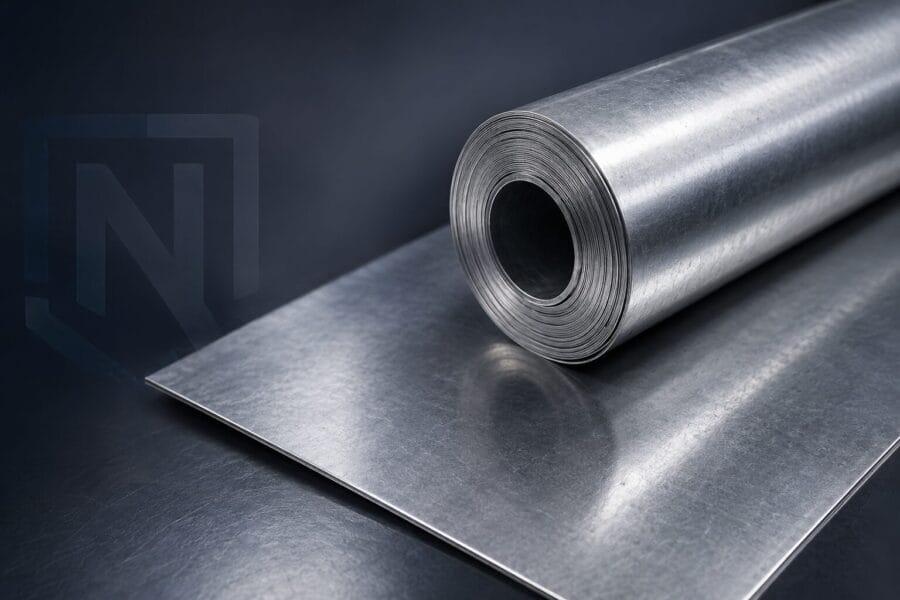
Lead flashing is a sheet lead product used in building construction to help prevent water from entering vulnerable junctions. It is commonly associated with roofs, chimneys, parapet walls, valleys, dormers, and connections between different building materials.
These locations can be particularly susceptible to water penetration because they involve changes in roof direction, joints, penetrations, or transitions between surfaces. Properly designed and installed flashing directs water away from these vulnerable points and helps protect the building envelope.
Contractors searching for lead flashing often need material that can be shaped to fit complex architectural details. Lead’s malleability allows it to be formed around certain roof profiles and junctions when installed according to the appropriate construction practices.
Nuclead Manufacturing Co Inc can be explored as a potential source of lead products for construction-related requirements. Buyers should confirm available sheet sizes, thicknesses, specifications, and intended applications directly with the supplier.
Common Uses of Lead Flashing
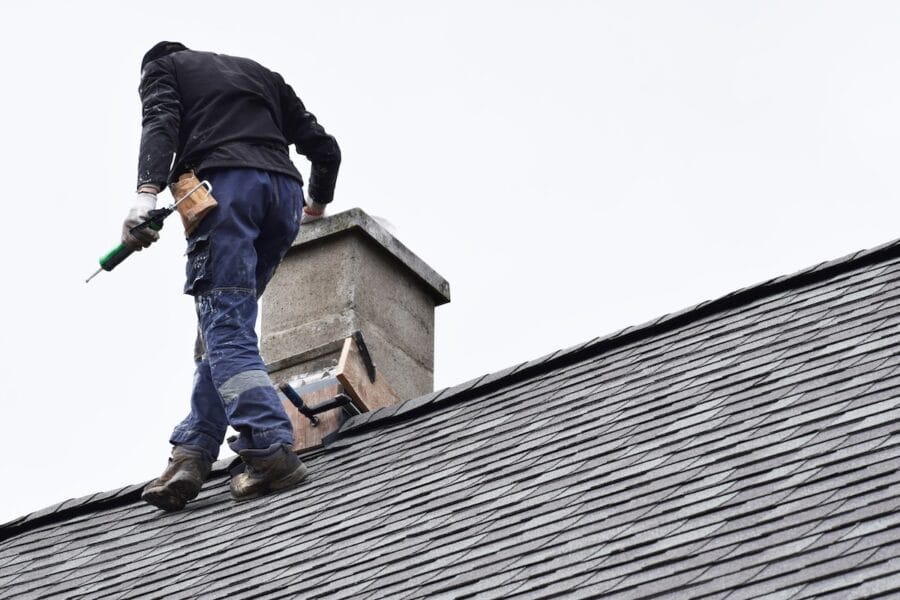
Chimney Flashing: Lead flashing may be installed around a chimney where it passes through a roof. Correct detailing helps direct rainwater away from the junction between the chimney and roofing material.
Roof Valleys: Where two roof slopes meet, flashing may help channel water toward the drainage system and reduce the risk of leakage.
Wall and Roof Junctions: Flashing can help protect the point where a roof meets a vertical wall or adjoining structure.
Dormers and Roof Windows: These features create several joints where carefully designed flashing may be necessary to manage water movement.
Parapets and Building Details: Lead flashing may be used at selected wall tops, abutments, and other architectural junctions when the construction design specifies it.
The performance of flashing depends on correct detailing, suitable material selection, compatible adjacent materials, and appropriate installation. Even high-quality lead sheet can leak if it is installed incorrectly or if movement and drainage are not adequately addressed.
4. Benefits of Lead Flashing in Building Projects
Lead flashing has been used in traditional construction for many years because it offers several practical characteristics. Its suitability for a particular project should nevertheless be assessed against current building standards, environmental considerations, and alternative materials.
-
Flexibility and Workability: Lead sheet can be shaped to follow many roof profiles and architectural details. This makes it useful for projects involving irregular surfaces, corners, and complex junctions.
-
Weather Protection: When properly designed and installed, lead flashing helps direct water away from vulnerable joints. Its role is to support the weatherproofing system rather than replace the need for appropriate roofing design and maintenance.
-
Durability: Lead can provide long service in suitable environments. Its actual lifespan depends on exposure conditions, installation quality, detailing, movement, and maintenance.
-
Adaptability to Different Roof Details: Lead flashing can be formed for a range of junctions, including chimneys, valleys, and roof-to-wall connections. The required thickness and dimensions should be selected according to the design and applicable guidance.
-
Suitability for Traditional Buildings: Some restoration projects use lead flashing to maintain traditional construction details. Heritage projects may have specific requirements relating to appearance, compatibility, and conservation practices.
5. Lead Washer vs. Lead Flashing: Understanding the Difference
Although both products are made from lead, they serve different purposes and are manufactured in different forms.
Choosing between these products depends entirely on the project. A lead washer is a component for a particular assembly, while lead flashing is primarily associated with managing water at construction joints.
6. Custom Lead Products from Nuclead Manufacturing Co Inc
Some industrial and construction projects require products that differ from standard dimensions. Custom manufacturing can be useful when a component must fit a particular assembly, drawing, or building detail.
Nuclead Manufacturing Co Inc is relevant to buyers researching specialized lead materials and fabricated lead products. Customers should discuss their requirements with the company to establish whether their requested washer dimensions, flashing specifications, or other product configurations are available.
When requesting a quotation, it is helpful to provide:
-
Product type and intended application.
-
Required dimensions, thickness, and tolerances.
-
Quantity and expected order frequency.
-
Technical drawings or sample specifications, where available.
-
Applicable material or quality documentation.
-
Delivery requirements and preferred packaging.
For lead flashing, buyers should also consider the building detail, required sheet format, exposure conditions, and applicable construction standards. For lead washers, the operating load and assembly requirements should be established before finalizing material selection.
Clear specifications help suppliers evaluate the request and determine the appropriate manufacturing approach.
7. Safe Handling and Responsible Use of Lead
Lead is a toxic metal, and exposure to lead dust, fumes, or contaminated particles can cause serious health effects. Safe handling procedures are important during manufacturing, cutting, installation, maintenance, and disposal.
Businesses using lead washers or lead flashing should follow applicable workplace safety and environmental requirements.
Important precautions include:
-
Avoid creating lead dust or fumes during cutting, grinding, heating, or other processing.
-
Use appropriate engineering controls and personal protective equipment based on a risk assessment.
-
Wash hands after handling lead and before eating or drinking.
-
Keep contaminated tools, clothing, and work surfaces from spreading lead into clean areas.
-
Follow relevant occupational health requirements and safe waste-management procedures.
-
Use trained personnel for fabrication and installation where necessary.
Construction projects involving lead flashing should also consider the potential for lead contamination during removal, renovation, or disposal. Lead-containing waste should be managed through appropriate, authorized channels.
Where lead is unsuitable because of health, environmental, or regulatory considerations, alternative materials may be worth evaluating with the project designer.
Conclusion
Lead washers and lead flashing serve different but valuable roles in specialized industrial and construction applications. A lead washer may be suitable for a specified fastening or sealing arrangement where its material characteristics meet the engineering requirements. Lead flashing helps protect vulnerable building junctions from water penetration when correctly designed and installed.
Nuclead Manufacturing Co Inc is a company to consider when researching lead products for industrial, engineering, and construction-related projects. By confirming product dimensions, technical specifications, manufacturing capabilities, and relevant safety requirements, buyers can make informed decisions about the materials they need.
Whether a project calls for precision lead washers or flexible lead flashing, careful product selection and proper installation are essential for dependable results. Understanding the intended application and consulting qualified professionals where necessary helps ensure that the chosen lead product meets the project’s performance, safety, and compliance requirements. For more visit us!

 English
 Arabic
 French
 Spanish
 Portuguese
 Deutsch
 Turkish
 Dutch
 Italiano
 Russian
 Romaian
 Portuguese (Brazil)
