
Vitamin D Test at Home: How Qualified Phlebotomists Collect Blood Samples
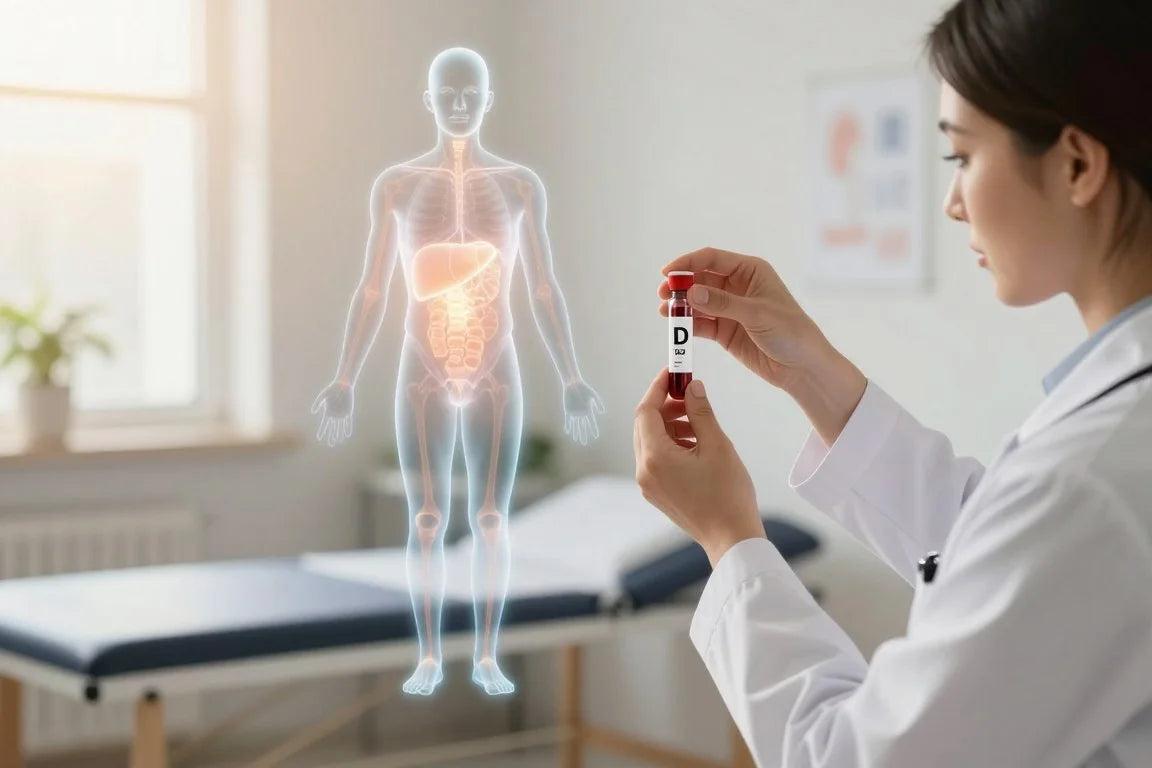
Maintaining healthy vitamin D levels is important for supporting bone strength, calcium absorption, and normal muscle function. For people with busy schedules or limited mobility, Vitamin D Tests At Home in Dubai offer a convenient way to arrange blood collection without travelling to a diagnostic centre. With a professional home healthcare service or a Doctor at Home, patients can have their blood samples collected by qualified phlebotomists and sent to a laboratory for analysis. Understanding how phlebotomists prepare for the procedure, follow hygiene protocols, collect samples, and ensure safe handling can help patients feel more confident about testing at home. Knowing what to expect also makes it easier to prepare for the appointment and understand the importance of professional sample collection.
Understanding the Role of a Qualified Phlebotomist:
A phlebotomist is a trained healthcare professional who collects blood samples for laboratory testing. Their responsibilities include confirming patient identification, preparing the collection equipment, selecting a suitable vein, drawing the required blood, and ensuring that the sample is labelled correctly. For a vitamin D test, the blood is generally analysed to measure 25-hydroxyvitamin D, also known as 25(OH)D, which is the main marker used to assess vitamin D status. Qualified phlebotomists follow established procedures to reduce discomfort, minimise contamination risks, and protect both the patient and themselves. When arranging home testing, patients should choose a reputable provider that uses appropriately trained staff and works with a reliable laboratory. Professional collection practices help support accurate results and a safer experience.
Preparing for a Home Vitamin D Test Appointment:
Before visiting your home, the phlebotomist or healthcare provider may confirm your appointment details, requested test, and any preparation instructions. Vitamin D testing alone generally does not require fasting, but other blood tests ordered at the same time may have specific requirements. Patients should follow the instructions provided by their clinician rather than changing their eating habits or medication schedule unnecessarily. It can also be helpful to keep previous vitamin D reports, relevant medical information, and a list of medicines or supplements available if requested. Choose a clean, comfortable space with adequate lighting where the phlebotomist can safely prepare the equipment and collect the sample. If you have a history of fainting, difficult blood draws, or anxiety about needles, tell the professional before the procedure begins.
Verifying Patient Identity and Test Requirements:
Correct identification is an essential step in professional blood collection because laboratory results must be linked to the right patient. On arrival, the phlebotomist will typically ask for identifying details and confirm the test request against the booking information or laboratory documentation. They may also ask relevant questions about previous blood collection difficulties, bleeding concerns, or other circumstances that could affect the procedure. The professional should explain the collection process and answer questions before proceeding. If several tests have been ordered, they will check which sample tubes and quantities are required by the laboratory. These checks help prevent administrative errors and ensure that the correct sample is collected for the requested analysis. Patients should speak up if any details on the test request appear incorrect.
Following Hygiene and Safety Protocols:
Hygiene is a central part of safe home blood collection. Before starting, the phlebotomist should perform appropriate hand hygiene, prepare a clean working area, and use suitable protective equipment according to the procedure. Sterile, single-use needles and appropriate collection supplies should be used to reduce the risk of infection and contamination. The selected skin area is cleaned using an appropriate antiseptic and allowed to dry as required before the needle is inserted. Used needles must be placed immediately into a designated sharps container rather than ordinary household rubbish. These precautions are important whether blood is collected at home or in a clinic. Patients can help by providing a suitable workspace and asking the provider about its infection-control procedures if they have concerns.
Selecting a Suitable Vein for Blood Collection:
The phlebotomist usually examines the arm to identify a vein that is suitable for collecting the required blood sample. Veins in the inner elbow are commonly used, although the best site depends on the individual’s veins and medical circumstances. A tourniquet may be placed around the upper arm to make the veins easier to locate. The professional may ask you to position your arm comfortably and keep it still during collection. If a vein is difficult to access, the phlebotomist may consider another suitable site or follow the provider’s procedure for obtaining assistance. Inform them if you have had surgery, lymph node removal, an injury, or other issues affecting either arm. Careful site selection can help make the procedure more efficient and reduce unnecessary discomfort.
Collecting the Blood Sample Correctly:
Once a suitable vein has been identified and the skin prepared, the phlebotomist inserts a sterile needle into the vein and collects blood into the appropriate tube. The amount collected depends on the laboratory’s requirements and whether additional tests have been requested. Most people experience a brief pinching sensation, although discomfort varies. The professional monitors the collection and removes the needle when enough blood has been obtained. Gentle pressure is then applied to the puncture site, and a small dressing may be placed over it. Tell the phlebotomist immediately if you feel dizzy, faint, or unusually unwell. Mild tenderness or a small bruise can occur afterward, but persistent bleeding, increasing swelling, or significant pain should be assessed by a healthcare professional.
Labelling and Transporting the Sample Safely:
After collection, the phlebotomist ensures that the sample is labelled according to the laboratory’s identification requirements. Accurate labelling is vital because even a properly collected sample can lead to problems if it is associated with the wrong patient or test request. The sample is then prepared for transport under the conditions specified by the receiving laboratory. Requirements can vary depending on the collection tube, testing method, and laboratory procedures. Professional services should have a clear process for maintaining sample integrity and delivering specimens promptly. When booking Vitamin D Tests At Home in Dubai, patients can ask which laboratory will analyse their sample and how it will be transported. These details provide reassurance that home collection is part of an organised testing process rather than an informal blood draw.
Understanding Laboratory Analysis and Test Results:
Once the sample reaches the laboratory, it is processed and analysed using an appropriate testing method to measure 25-hydroxyvitamin D. Results are commonly reported in nanograms per millilitre (ng/mL) or nanomoles per litre (nmol/L). The time required to receive a report depends on the laboratory and the provider’s arrangements. A healthcare professional can explain the result in relation to the laboratory’s reference information, your medical history, symptoms, and risk factors. A low result may indicate vitamin D deficiency or insufficiency, depending on the applicable clinical guidance, while an elevated level may require assessment of supplement use and other relevant factors. Do not diagnose yourself based on a number alone or begin high-dose supplements without advice. Your clinician can recommend appropriate next steps and determine whether follow-up testing is needed.
Benefits of Choosing Professional Vitamin D Testing at Home:
Home blood collection can save travel time and make recommended testing more accessible to people with demanding work schedules, family responsibilities, or mobility limitations. It may also provide a more comfortable setting for older adults and people who feel anxious in unfamiliar healthcare environments. However, convenience should be balanced with professional standards, transparent pricing, and reliable laboratory arrangements. Before booking, consider these practical points:
-
Confirm that blood collection is performed by appropriately trained personnel.
-
Ask whether the provider uses a reputable diagnostic laboratory.
-
Check the appointment cost and expected time for receiving results.
-
Follow any preparation instructions supplied by your clinician.
-
Keep relevant medical information and previous reports available.
-
Arrange professional advice if your results are abnormal or unclear.
Choosing a service that communicates clearly and follows established collection and handling procedures can make the experience more straightforward.
Final Thoughts
Qualified phlebotomists play an important role in making home vitamin D testing safe, organised, and convenient. From verifying patient details and following hygiene protocols to collecting, labelling, and transporting the blood sample, each step helps support reliable laboratory analysis. Vitamin D Tests At Home in Dubai can be a useful option for people who prefer home collection, provided they select a reputable provider and follow appropriate clinical guidance. After receiving the report, discuss the findings with a healthcare professional who can interpret your vitamin D level and recommend any necessary action. With proper sample handling and informed follow-up, home testing can help patients better understand their vitamin D status and make appropriate decisions about their health.

 Arabic
 French
 Spanish
 Portuguese
 Deutsch
 Turkish
 Dutch
 Italiano
 Russian
 Romaian
 Portuguese (Brazil)
 Greek
