
Tug Building Company: Sustainable Engineering for Modern Marine Operations
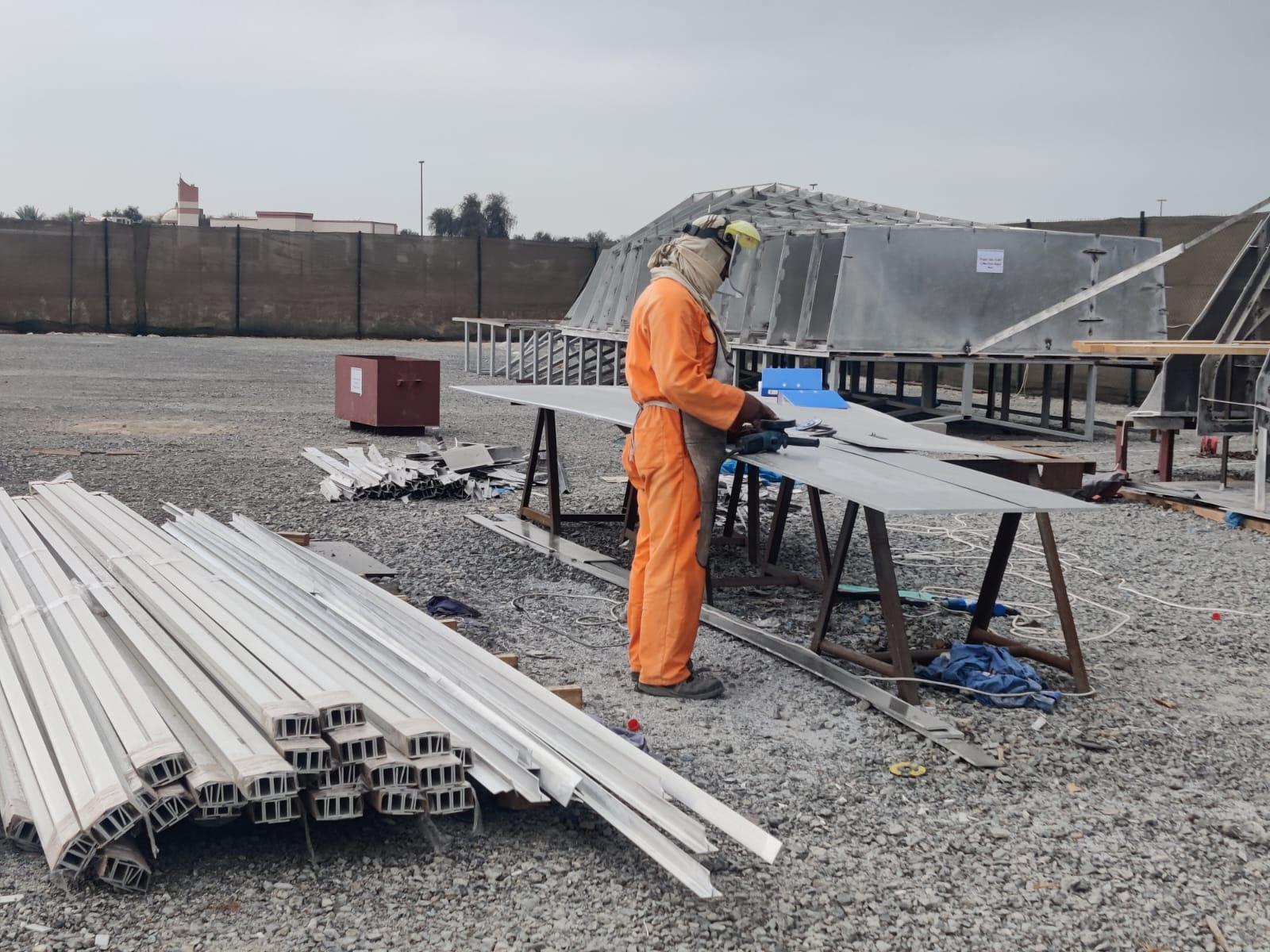
A tugs building company plays an important role in developing reliable vessels for harbour assistance, towing, offshore support, and commercial marine operations. Modern tugboat construction requires more than powerful engines and strong hulls. It also involves sustainable engineering, fuel efficiency, advanced technology, and long-term operational reliability. As maritime activities continue to expand, vessel owners increasingly seek solutions that balance performance, safety, and environmental responsibility.
VU Marine understands the importance of modern marine engineering and dependable vessel construction. Sustainable design approaches can help improve tugboat performance, reduce unnecessary fuel consumption, and support efficient marine operations in demanding environments.
The Importance of Sustainable Tugboat Construction
Tugboats perform essential duties in commercial ports, shipyards, terminals, and offshore locations. They assist large vessels during berthing, unberthing, and manoeuvring, often working under demanding conditions. Their design must provide sufficient pulling power, stability, structural strength, and precise control.
Sustainability has become an important consideration throughout the maritime industry. According to the International Maritime Organization's Fourth Greenhouse Gas Study, total shipping emissions reached approximately 1,056 million tonnes of carbon dioxide in 2018, accounting for around 2.89% of global human-caused CO₂ emissions.
Although these figures cover the wider shipping industry rather than tugboats alone, they demonstrate the importance of reducing fuel consumption and improving vessel efficiency. Modern construction techniques can contribute to these goals through improved hull designs, efficient propulsion systems, durable materials, and effective maintenance planning.
Modern Hull Design and Lightweight Materials
Hull design significantly influences a tugboat's stability, manoeuvrability, resistance, and overall performance. Engineers must consider the vessel's intended operating environment, required pulling force, operating speed, and expected working conditions before selecting the most suitable design.
Aluminum tug builders consider lightweight construction where aluminium offers practical advantages. Marine-grade aluminium can reduce structural weight in suitable applications, potentially improving efficiency and payload capacity. However, engineers must evaluate material strength, fatigue resistance, corrosion behaviour, fire protection, and repair requirements before deciding whether aluminium is appropriate.
Steel remains a suitable choice for many heavy-duty tugboats because of its strength and established construction methods. The most suitable material depends on the vessel's size, working conditions, expected service life, and maintenance requirements.
Computer-aided design and three-dimensional modelling also help engineers assess hull geometry before fabrication begins. These technologies can identify potential design improvements, reduce material waste, and minimise costly modifications during construction.
Energy-Efficient Propulsion Systems
Propulsion systems directly influence fuel consumption, operating costs, and emissions. Tugboats frequently operate under changing loads because their duties include towing, pushing, manoeuvring, and travelling between work locations. Efficient propulsion must therefore deliver the required thrust while avoiding unnecessary energy consumption.
Modern engineering focuses on matching engines, propellers, gearboxes, and control systems to the vessel's operational profile. Correctly selected components can improve power delivery and help maintain reliable performance during demanding operations.
Hybrid-electric propulsion and battery-assisted systems may provide additional benefits for vessels with suitable operating patterns and access to charging infrastructure. Their effectiveness depends on investment costs, energy availability, maintenance requirements, and the amount of time spent working at different power levels.
Routine engine servicing is equally important. Proper lubrication, clean filters, accurate engine settings, and regular performance monitoring can help maintain efficiency throughout the vessel's working life.
Advanced Technology in Modern Tugboat Construction
Digital technology has improved the planning, construction, and maintenance of marine vessels. Computer-aided design, digital measurements, and modern inspection equipment can help improve construction accuracy and support better coordination between engineering and fabrication teams.
During operation, sensors can monitor engine temperature, vibration, oil pressure, fuel consumption, and other important indicators. Analysing this information helps maintenance teams identify developing faults before they cause significant equipment failures.
Predictive maintenance can reduce unexpected downtime and improve the availability of essential machinery. It can also help extend component life and reduce unnecessary replacements, supporting both economic and environmental objectives.
However, digital systems must be supported by trained personnel, regular inspections, and appropriate maintenance procedures. Technology is most effective when it complements established engineering practices and operational safety measures.
Environmental Protection in Marine Operations
Environmental protection is another important part of sustainable tugboat engineering. Fuel spills, oil leakage, improper waste disposal, and unsuitable maintenance practices can harm marine ecosystems and create regulatory problems.
Modern vessels should include suitable fuel and oil containment arrangements, appropriate bilge management, and systems for collecting and handling waste. Equipment and procedures must meet the applicable requirements for the vessel's intended operating area.
Hull coatings also contribute to long-term performance. Suitable coatings protect underwater surfaces against corrosion and can help control marine growth. Reduced growth may improve hydrodynamic efficiency, although coating selection must account for environmental regulations and the conditions in which the vessel operates.
Construction facilities can also support sustainability by recycling suitable metal offcuts, reducing material waste, managing paint residues responsibly, and preventing contaminated water from entering surrounding waterways.
Safety, Durability, and Quality Control
Tugboats must withstand demanding working conditions, including repeated towing loads, vibration, saltwater exposure, and contact forces during harbour operations. Strong structural design, reliable welding, corrosion protection, and detailed inspection procedures are essential for maintaining vessel integrity.
Safety systems must also match the vessel's intended duties. Navigation equipment, communications systems, fire protection, emergency shutdown arrangements, and steering controls contribute to safe and dependable operations.
During construction, quality control involves checking materials, inspecting welds, verifying machinery installation, and testing electrical and mechanical systems. Sea trials and bollard-pull tests, where required, help confirm whether the completed vessel meets its specified performance requirements.
For vessels operating in the Gulf region, engineers must also consider high temperatures, humidity, and saltwater exposure. Appropriate cooling systems, ventilation, corrosion protection, and accessible machinery layouts can improve reliability and simplify maintenance.
The Role of Aluminium in Modern Tugboat Manufacturing
Aluminium tug manufacturers evaluate how lightweight marine-grade alloys can support particular vessel requirements. Aluminium construction can be beneficial when reduced weight is important, but it must be balanced against structural loads, fabrication methods, repair needs, and the vessel's expected service life.
The decision to use aluminium should be based on a complete engineering assessment rather than weight reduction alone. Material selection, welding quality, structural design, and corrosion management all influence the long-term performance of a vessel.
Sustainable manufacturing also involves using materials efficiently, planning fabrication carefully, and reducing avoidable rework. These practices can lower waste generation while helping maintain consistent construction quality.
VU Marine recognises the importance of practical engineering, dependable construction, and marine solutions designed around operational requirements. Careful planning and attention to quality are essential when developing vessels intended for demanding commercial applications.
Lifecycle Costs and Long-Term Efficiency
The initial purchase price represents only one part of a tugboat's total cost. Fuel, maintenance, spare parts, inspections, crew requirements, and operational downtime can significantly affect expenditure over the vessel's service life.
Lifecycle assessment helps owners compare different engineering options by considering expected durability, operating expenses, maintenance schedules, and environmental performance. An efficient propulsion system may involve a higher initial investment but could provide savings when a vessel operates frequently.
Accessible machinery arrangements can simplify inspections, while suitable coatings and corrosion protection can reduce repair requirements. A well-planned maintenance programme also helps prevent minor problems from developing into expensive failures.
The objective is to achieve a practical balance between safety, reliability, environmental performance, and long-term value.
Future Trends in Sustainable Tugboat Engineering
The future of tugboat construction is likely to include continued developments in hybrid propulsion, battery technology, digital monitoring, improved hull design, and alternative fuels. The suitability of these solutions will depend on operating conditions, infrastructure, safety requirements, and local regulations.
Automation and remote monitoring may also improve operational planning and equipment maintenance. However, new technologies require careful evaluation, staff training, reliable technical support, and appropriate cybersecurity measures.
A tug builder in UAE must consider regional marine conditions alongside international developments in sustainable vessel engineering. Designs should reflect local operating demands, applicable regulations, and the practical needs of commercial ports and offshore activities.
VU Marine supports the wider objective of developing dependable marine solutions through attention to engineering quality, vessel performance, and the requirements of modern maritime operations.
Conclusion
Sustainable engineering is becoming increasingly important in modern tugboat construction. Efficient hull designs, suitable materials, reliable propulsion, digital monitoring, environmental protection, and effective maintenance all contribute to better marine operations.
The International Maritime Organization's greenhouse gas research highlights the importance of improving efficiency across the maritime sector. For tugboats, practical improvements in fuel management, equipment reliability, and vessel durability can deliver long-term operational benefits.
VU Marine recognises the value of combining sound engineering principles with modern marine construction practices. By prioritising quality, safety, efficiency, and durability, the maritime industry can develop vessels that meet present-day operational requirements while supporting a more sustainable future.

 English
 Arabic
 French
 Spanish
 Deutsch
 Turkish
 Dutch
 Italiano
 Russian
 Romaian
 Portuguese (Brazil)
 Greek
