
What Auto Shops Can Learn From NASCAR Pit Crews About Uniforms and Teamwork
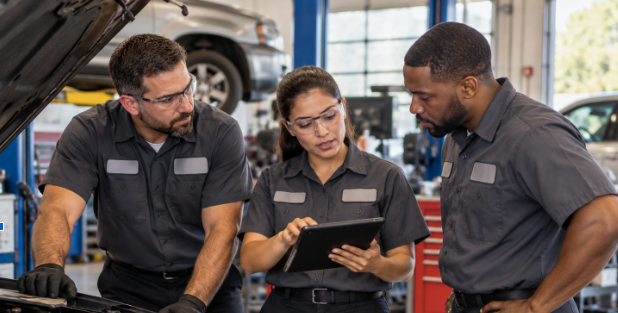
A busy morning at a Dallas auto shop can get hectic quickly. One customer is waiting for an oil change, a technician is checking a vehicle's engine, and the service advisor is answering questions at the front desk. When everyone knows their role and works together, the day tends to run more smoothly.
NASCAR pit crews deal with tight deadlines and plenty of pressure, but their approach offers useful lessons for everyday automotive businesses. From pit crew uniforms to clear communication, auto shops can take a few ideas from racing teams without turning every workday into a race.
The main takeaway is simple: consistent workwear, clear responsibilities, and good communication can help an auto shop maintain a professional appearance and keep daily work organized.
1. What Do NASCAR Pit Crews Teach Auto Shops About Uniforms?
Watch a NASCAR pit crew during a race, and one thing stands out: everyone has a job to do. Each team member understands their responsibility, and the crew works toward the same goal. Their uniforms also give the team a consistent look.
Auto shops can use the same idea. Technicians, service advisors, parts staff, and managers have different responsibilities, but coordinated workwear helps them look like part of the same team.
Think about a customer visiting your shop for the first time. They may not know who handles repairs or who can explain an estimate. When employees wear clean, coordinated shirts with the company name, customers have an easier time identifying the team.
Of course, matching uniforms alone will not improve service or fix communication problems. Employees still need the right training, tools, and support. But a consistent dress standard can reinforce a sense of belonging and give the business a more organized appearance.
Here are a few ways to put this idea into practice:
-
Choose a consistent color scheme for the team.
-
Add company branding where appropriate so customers can identify employees.
-
Select garments that suit each person's daily responsibilities.
-
Set clear expectations for clean, presentable workwear.
-
Ask employees for feedback about comfort, fit, and practicality.
You do not need to copy a racing team's exact look. The goal is to create a uniform standard that works for your business and the people who keep it running.
2. How Should Auto Shops Choose Pit Crew Uniforms for Daily Work?
Racing uniforms and everyday automotive workwear serve different purposes. A racing outfit may be designed for a specific team or event, while a repair shop needs clothing that works for bending, reaching, lifting, and handling routine maintenance tasks.
When choosing pit crew uniforms as inspiration, start with function rather than appearance.
For example, a technician in Dallas might inspect an engine in the morning, work on a customer's vehicle after lunch, and help prepare another car for pickup before the shift ends. Clothing that feels restrictive or uncomfortable can become a distraction during a long day.
Look for workwear with features such as:
-
Comfortable fit: Employees should be able to bend, reach, and move without unnecessary restriction.
-
Durable construction: Choose garments suited to the demands of the job and follow the manufacturer's care instructions.
-
Practical design: Pockets, closures, and garment styles should fit the work employees actually do.
-
Consistent appearance: Coordinated colors and appropriate branding help maintain a professional look.
-
Options for different roles: Technicians and customer-facing employees may need different styles of workwear.
Safety matters, too. A standard work shirt or pair of pants should not automatically be considered protective equipment. Employees who face specific workplace hazards may need specialized clothing or other personal protective equipment (PPE), depending on their tasks and applicable requirements.
Before choosing uniforms, review the work performed in each area of your shop. Consider the working conditions, identify potential hazards, and select clothing that fits those needs.
3. Why Teamwork Matters More Than Matching Shirts
A pit crew cannot perform well when every person works independently without understanding the overall plan. The same is true in an auto shop.
A technician might finish a repair on schedule, but if the service advisor does not receive an update, the customer could still be left waiting for an answer. The repair may be complete, yet the customer experience suffers because communication broke down.
Uniforms can help create a shared team identity, but everyday habits are what make that identity meaningful.
For a Dallas repair shop, good teamwork might look like this:
-
Service advisors explain customer concerns clearly before work begins.
-
Technicians share updates when they discover an unexpected repair issue.
-
Parts staff communicate availability and delays to the rest of the team.
-
Shop managers help balance workloads and resolve scheduling conflicts.
-
Employees follow agreed procedures for keeping work areas organized.
A short morning huddle can help everyone get on the same page. Review the day's appointments, expected workload, special jobs, and any staffing issues before work gets busy.
It does not need to be a long meeting. Even a few minutes of clear communication can help employees understand what to expect and where they may need support.
Uniforms support the visual side of teamwork. Communication, accountability, and respect are what make the team work well together.
4. How Can Uniforms Strengthen Your Auto Shop's Brand?
NASCAR teams are easy to recognize because their visual identity stays consistent across drivers, crew members, and team operations. Automotive businesses can apply the same principle on a smaller scale.
Branded uniforms help customers distinguish employees from visitors and identify staff members when they need assistance. A consistent appearance can also make a shop feel more established, especially when customers are visiting for the first time.
Imagine two customers arriving at your Dallas service center during the morning rush. One needs an oil change, while the other wants an explanation of a more complicated repair. If employees are easy to identify, both customers can quickly figure out whom to approach.
A practical branding approach includes:
-
Choosing two or three colors that fit your business identity.
-
Using consistent branding across shirts and other suitable garments.
-
Keeping workwear presentable throughout the day.
-
Selecting styles that suit both customer-facing and hands-on roles.
-
Maintaining the same standards when new employees join the team.
The aim is to make your business recognizable without making uniforms uncomfortable or impractical.
A uniform represents the business, but an employee has to wear it through a full shift. When you consider both needs, workwear becomes a useful part of the customer experience rather than just another dress code requirement.
5. What Can Auto Shops Learn From NASCAR's Approach to Workwear Management?
Professional racing teams rely on people in many different roles, including pit crews, mechanics, and other technical staff. Keeping everyone equipped takes more than choosing a shirt design. It also requires a plan for garment care, replacements, and the needs of different departments.
UniFirst's partnership with Hendrick Motorsports offers a real-world example. Its published partnership story discusses work shirts and pants used across multiple departments, along with facility products such as towels, floor mats, mops, and first aid supplies.
For an everyday repair shop, the lesson is to think beyond the initial uniform order.
What happens when a technician's shirt becomes worn out? How will you get the right size for a new employee? Who handles laundering, and how will the team report garments that need replacing?
Without a clear process, these small tasks can turn into last-minute purchases and extra work for managers.
A more organized approach can include:
-
Review team requirements. Work out how many employees need uniforms and which garments suit their roles.
-
Set replacement expectations. Decide how employees should report worn or damaged items.
-
Plan garment care. Establish a consistent laundering process and handle heavily soiled garments appropriately.
-
Prepare for new hires. Include uniform sizing and ordering in the employee onboarding process.
-
Review the program regularly. Ask employees whether their workwear remains comfortable and practical.
For businesses that prefer an ongoing service arrangement, UniFirst offers automotive workwear and related services in Dallas. The right arrangement depends on your team's size, garment requirements, and day-to-day needs.
6. How Can Dallas Auto Shops Build a Consistent Uniform Routine?
Even good uniforms can become a headache if employees cannot access clean garments or do not know how to report problems. A simple routine helps keep workwear from becoming another task that managers have to chase.
Start by reviewing your current setup. Are employees buying their own work clothes? Do technicians have garments suited to their jobs? Can they get replacements when items become worn? How much time do managers spend dealing with uniform orders and sizing issues?
Use this checklist to identify areas that may need attention.
|
Area |
What to review |
|
Fit and comfort |
Can employees move freely throughout their shifts? |
|
Garment selection |
Does the workwear suit each role and task? |
|
Branding |
Does the team maintain a consistent appearance? |
|
Garment care |
Is there a clear process for laundering workwear? |
|
Replacements |
Do employees know how to report worn or damaged items? |
|
Safety |
Have task-specific hazards and PPE requirements been reviewed? |
|
Team feedback |
Can employees raise concerns about comfort or practicality? |
You can also read the UniFirst and Hendrick Motorsports partnership story to see how workwear and facility services can support a larger automotive operation.
A local repair shop will have different requirements from a professional racing organization, but the basic idea still applies: plan for the whole team instead of treating every uniform as a separate purchase.
You can make improvements gradually. Start by standardizing technician shirts, then review garment care and replacement procedures before expanding the program to other roles.
The best routine is one employees understand and managers can maintain without adding unnecessary work to an already busy day.
Frequently Asked Questions
1. What are pit crew uniforms, and why do they matter?
Pit crew uniforms are coordinated garments worn by racing team members. They help establish team identity and create a consistent appearance. For automotive repair shops, the same idea can guide workwear choices that reflect the business, support employee comfort, and suit each person's responsibilities.
2. Can NASCAR team uniforms inspire everyday automotive workwear?
Yes. NASCAR team uniforms offer ideas for coordinated colors, recognizable branding, and a consistent team appearance. Everyday automotive workwear must also suit repair tasks, garment care needs, and workplace hazards. A repair shop should focus on practical function instead of simply copying a racing uniform.
3. What should Dallas auto shops look for in motorsports workwear?
Look for comfortable garments that allow movement, stand up to routine work, and maintain a professional appearance. Consider the tasks employees perform, the conditions in the shop, and any specialized protective clothing they may need. The right choice depends on each employee's role and workplace hazards.
4. Do matching uniforms improve teamwork in an auto shop?
Matching uniforms can reinforce a shared identity, but they do not automatically improve teamwork. Clear communication, defined responsibilities, and reliable work processes are still essential. When employees combine these habits with consistent workwear, the team can present a more organized and professional image.
5. Should an automotive business use a uniform rental program?
A uniform rental program may be worth considering if managing garment purchases, laundering, and replacements takes too much staff time. Before choosing a program, review your team size, garment requirements, service needs, and budget. Compare available options to find an arrangement that fits your business.
Next Step: Bring Your Automotive Team Together
Dallas auto shops can take a practical lesson from NASCAR: teams work better when people understand their roles and have what they need to do their jobs. Comfortable workwear, consistent branding, and a dependable garment care routine can support that goal. Review your team's current needs and identify where a more organized uniform program could help. UniFirst can help you explore automotive workwear and uniform service options for your business.
Ready to give your automotive team a more consistent, professional look? Contact us for a free quote.

 English
 Arabic
 French
 Spanish
 Portuguese
 Deutsch
 Turkish
 Dutch
 Italiano
 Romaian
 Portuguese (Brazil)
 Greek
