
What Are the Possible Side Effects of PRP Hair Treatment?
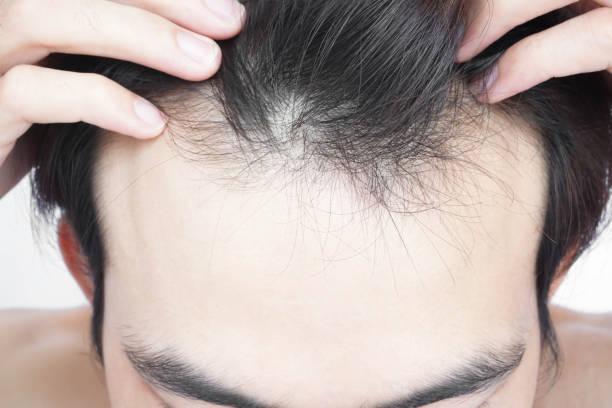
Platelet-rich plasma (PRP) therapy is a minimally invasive procedure used to support hair restoration in people experiencing certain types of hair thinning. It involves collecting a small amount of the patient's blood, processing it to concentrate platelets, and injecting the prepared plasma into selected areas of the scalp. Before considering PRP Hair Treatment in Riyadh, patients should understand the possible side effects, the usual recovery process, and the importance of receiving treatment from a qualified healthcare professional.
PRP uses components of the patient's own blood, which may reduce the risk of certain reactions associated with externally sourced substances. However, the procedure is not completely risk-free because it involves blood collection, preparation, and multiple injections into the scalp. With PRP Hair Treatment in Riyadh, patients may experience temporary tenderness, redness, swelling, or mild discomfort, while less common complications can include infection or bleeding. Understanding these possibilities helps patients make informed decisions and recognize when medical advice is needed.
What Are the Common Side Effects of PRP Hair Treatment?
Scalp Pain and Tenderness
Mild pain or tenderness around the injection sites is one of the possible side effects of PRP therapy. Patients may notice discomfort during the procedure or when touching the scalp afterward. The intensity varies depending on individual sensitivity, the number of injections, and the treatment technique.
This discomfort generally improves within a short period. Patients should follow the practitioner's aftercare instructions and ask which pain-relief options are appropriate for their medical history.
Redness and Swelling
The scalp may become slightly red or swollen after injections. These effects can occur as part of the body's response to the procedure and usually settle as the treated area recovers.
Avoid scratching or rubbing the scalp, as this may increase irritation. Contact a healthcare professional if redness or swelling becomes more severe, spreads, or fails to improve as expected.
Bruising and Minor Bleeding
Small amounts of bleeding may occur at the injection sites. Some patients may also develop minor bruising, particularly if they are prone to bruising or take medicines that affect blood clotting.
Tell your practitioner about prescribed medicines, supplements, bleeding disorders, and any history of unusual bleeding before treatment. Do not stop prescribed medication unless your healthcare professional specifically advises you to do so.
Headache or Temporary Pressure
Some patients may experience a mild headache, scalp pressure, or a feeling of tightness after treatment. These symptoms are not experienced by everyone and may be related to scalp injections or temporary sensitivity.
If a headache is severe, persistent, or accompanied by other concerning symptoms, seek medical advice rather than assuming it is a routine reaction.
Are There Less Common Risks Associated With PRP Hair Treatment?
Infection at the Injection Sites
Although proper hygiene and sterile techniques help reduce the risk, infection is possible whenever the skin is punctured. Symptoms may include increasing redness, warmth, pain, discharge, or fever.
Patients should choose a qualified provider who follows appropriate infection-control procedures. Seek prompt medical assessment if symptoms suggest an infection.
Nerve Irritation
In some cases, injections may irritate nearby tissues or nerves, causing unusual discomfort, tingling, or altered sensation. Persistent or worsening symptoms should be assessed by a healthcare professional.
A practitioner with appropriate training can evaluate the scalp and use a suitable injection technique to help minimize avoidable risks.
Scarring or Persistent Skin Changes
Scarring is not a typical outcome of properly performed PRP injections, but skin complications may occur in unusual circumstances, especially if infection or significant tissue injury develops. Patients with existing scalp disorders should discuss them before treatment.
The provider should examine the scalp and determine whether it is appropriate to proceed.
Dizziness or Fainting
Some people feel dizzy or faint during blood collection or injections. This can occur because of anxiety, sensitivity to needles, or an individual response to the procedure.
Tell the healthcare team if you have previously fainted during blood tests or injections so they can take suitable precautions.
Can PRP Hair Treatment Cause an Allergic Reaction?
Because PRP is prepared from the patient's own blood, the risk of an immune reaction to the plasma itself may be lower than with some externally sourced substances. However, an allergic reaction can still occur because of materials or products used during the procedure, such as antiseptics, topical anesthetics, or other medications.
Patients should disclose known allergies before treatment. Symptoms such as widespread hives, facial or throat swelling, or difficulty breathing require urgent medical attention.
Who May Have a Higher Risk of Side Effects?
PRP may not be suitable for everyone. Certain medical conditions or circumstances can increase procedural risks or affect the treatment's effectiveness.
People With Blood or Platelet Disorders
Conditions affecting platelet function, blood clotting, or platelet levels may influence whether PRP is appropriate. The practitioner may need to review medical records or arrange relevant tests before making a recommendation.
People With Active Scalp Infections
An active infection, open wound, or significant scalp inflammation may require treatment before PRP can be considered. Injecting an affected area may increase the risk of complications.
People Taking Certain Medications
Blood-thinning medicines and some other medications may affect bleeding risk or treatment planning. Patients should provide a complete list of their medicines and supplements during consultation. Medication changes should only be made under professional guidance.
People With Certain Underlying Health Conditions
Some chronic illnesses, blood-related conditions, or other medical issues may affect suitability for PRP. A personalized assessment is important because the safety considerations depend on the patient's health and the procedure being considered.
How Can You Reduce the Risk of Side Effects?
Choosing a qualified healthcare professional is an important step in reducing avoidable risks. Before treatment, ask about the provider's training, the equipment used to prepare PRP, infection-control practices, and the clinic's procedure for managing complications.
Patients should also share their medical history, allergies, medications, and previous reactions to injections. After treatment, follow the instructions provided for washing the scalp, avoiding irritation, and resuming exercise or hair-care products.
Do not use unapproved substances on the treated area, and contact the clinic if symptoms worsen or do not improve as expected.
When Should You Seek Medical Attention?
Mild tenderness, redness, or swelling may occur after PRP treatment. However, severe or increasing pain, spreading redness, pus, fever, or significant swelling may indicate a complication and should be assessed promptly.
Difficulty breathing, swelling of the lips or throat, or other signs of a serious allergic reaction require emergency medical care. If you are unsure whether a symptom is normal, contact a healthcare professional for advice.
Book a Consultation at Royal Clinic Saudia
If you are considering PRP for hair thinning, Royal Clinic Saudia can help you understand the procedure, possible side effects, and suitability based on your health and scalp condition. Book a consultation to discuss your concerns, review your medical history, and receive professional guidance before making a treatment decision.
FAQs:
What are the most common side effects of PRP hair treatment?
Common side effects may include temporary scalp tenderness, redness, mild swelling, bruising, and minor bleeding at injection sites. These symptoms generally improve within a short period, but recovery varies.
Can PRP hair treatment cause an infection?
Yes, infection is possible because the procedure involves injections through the skin. Appropriate sterile techniques help reduce the risk. Increasing redness, warmth, pain, discharge, or fever should be assessed promptly.
Is PRP hair treatment safe for everyone?
No. Suitability depends on medical history, platelet and blood conditions, scalp health, medications, and other individual factors. A qualified healthcare professional should assess the patient before treatment.
What should I do if I experience side effects after PRP treatment?
Follow the clinic's aftercare instructions and contact your healthcare provider if symptoms worsen or persist. Seek urgent care for severe pain, signs of infection, breathing difficulties, or swelling of the face or throat.

 English
 French
 Spanish
 Portuguese
 Deutsch
 Turkish
 Dutch
 Italiano
 Russian
 Romaian
 Portuguese (Brazil)
 Greek
