
Managing Back Pain at Home for Seniors Living Independently
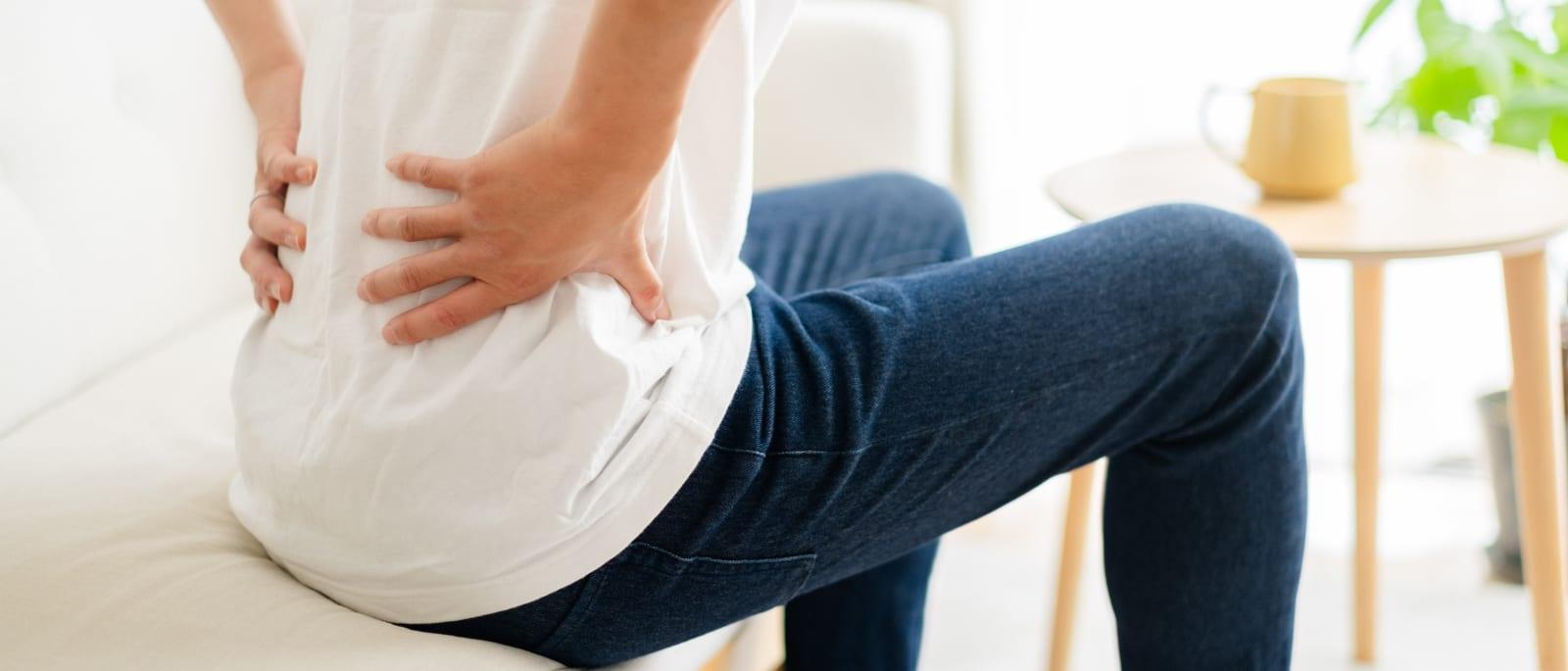
Back pain is a common concern among older adults and can make everyday activities such as walking, cooking, dressing, and maintaining a household more challenging. Age-related changes, muscle weakness, arthritis, poor posture, and previous injuries may contribute to discomfort and reduced mobility. Managing Back Pain at Home in Dubai can help seniors maintain greater comfort and independence when supported by appropriate self-care, safe movement, and professional guidance. Services such as Doctor at Home can also help older adults receive medical assessments without unnecessary travel when clinically appropriate. With the right approach, seniors can protect their mobility, reduce avoidable strain, and continue participating in daily life while recognizing when back pain requires medical attention.
Understanding the Causes of Back Pain in Seniors:
Back pain in older adults can develop because of several factors, including osteoarthritis, spinal changes, muscle strain, reduced flexibility, and osteoporosis-related fractures. Years of repetitive movements, prolonged sitting, and reduced physical activity may also affect strength and mobility. However, back pain should not automatically be considered a normal part of aging. Identifying its possible cause is important because treatment varies according to the underlying condition. Seniors should discuss persistent, recurring, or unexplained discomfort with a healthcare professional, particularly if it interferes with walking, sleeping, or personal care. An appropriate assessment can help determine whether home-based strategies are suitable or whether further investigation and treatment are needed.
Creating a Safe and Comfortable Home Environment:
A well-organized home can help seniors manage back discomfort while reducing the risk of falls and injuries. Frequently used household items should be stored at comfortable heights so that older adults do not need to bend deeply, stretch excessively, or climb on stools. Chairs with supportive backs and stable armrests can make sitting down and standing up easier. Clear walking paths, adequate lighting, and nonslip flooring can improve safety for individuals experiencing stiffness or balance difficulties. Seniors may also benefit from keeping essential items, such as a telephone and prescribed medications, within easy reach. These simple adjustments can reduce unnecessary physical effort and help older adults preserve their independence during recovery.
Maintaining Gentle Movement and Daily Activity:
Although rest may provide temporary relief during painful episodes, prolonged inactivity can increase stiffness and contribute to muscle weakness. Seniors should generally aim to maintain comfortable movement within their physical abilities, following medical advice when an underlying condition or injury requires specific restrictions. Short walks around the home, gentle position changes, and simple mobility exercises may help maintain flexibility and support everyday function. Activity should be increased gradually rather than suddenly, especially for older adults who have been inactive. A physiotherapist can recommend appropriate movements based on strength, balance, and symptoms. If an activity causes sharp pain, dizziness, or a noticeable worsening of symptoms, seniors should stop and seek professional guidance before continuing.
Improving Posture During Everyday Activities:
Posture and movement habits can influence comfort during daily tasks. Seniors who spend long periods sitting may benefit from using a supportive chair, keeping their feet comfortably positioned, and changing positions regularly. While preparing meals or completing household activities, arranging frequently used items within easy reach can reduce repeated bending and twisting. When picking up lightweight objects, older adults should move carefully and avoid sudden movements. Heavy lifting should be avoided when it causes discomfort or conflicts with medical advice. Useful adjustments include:
-
Taking regular breaks from prolonged sitting.
-
Using chairs with stable armrests and supportive backs.
-
Keeping commonly used kitchen and household items within reach.
-
Avoiding sudden twisting while turning or carrying objects.
-
Asking for assistance with heavy or awkward items.
These modifications can make daily routines more manageable without requiring seniors to give up activities they can safely perform.
Choosing Comfortable Sleeping Positions:
Back pain can interfere with sleep, leaving seniors tired and less able to manage their daily routines. A comfortable sleeping position may help reduce pressure and make resting easier. Some older adults find side sleeping with a pillow between their knees helpful, while others prefer lying on their backs with a pillow beneath their knees. The most suitable position depends on personal comfort and any underlying medical conditions. Seniors should also consider whether getting into and out of bed feels safe and manageable. Moving gradually and using stable support when necessary may reduce sudden strain. Persistent nighttime pain, pain that progressively worsens, or discomfort accompanied by other concerning symptoms should be discussed with a healthcare professional.
Using Heat, Cold, and Other Comfort Measures:
Gentle heat may help some seniors feel more comfortable when experiencing muscle stiffness, while a wrapped cold pack may provide temporary relief after certain minor strains. These measures should be used cautiously because older adults may have reduced skin sensitivity or circulation problems that increase the risk of burns or cold-related skin injury. Heat and cold should never be applied directly to the skin, and individuals with relevant medical conditions should ask a healthcare professional for advice first. Seniors should also consult a clinician or pharmacist before starting pain medicines or changing existing medication routines, particularly when taking several prescriptions. Home comfort measures may support recovery, but they should not replace an assessment when symptoms are persistent, severe, or unexplained.
The Role of Physiotherapy and Professional Support:
Physiotherapy can help seniors improve strength, flexibility, balance, and confidence in everyday movement. A physiotherapist may assess mobility, posture, walking ability, and the activities that trigger discomfort before developing a personalized program. Depending on the individual's needs, treatment may include gentle exercises, walking recommendations, movement education, and advice about safer household activities. Home-based professional support can be especially useful for seniors who have difficulty travelling or require assistance adapting exercises to their living environment. Regular reviews allow the program to be adjusted as mobility improves or symptoms change. Professional guidance is particularly important for older adults with osteoporosis, previous fractures, significant balance problems, or other conditions that affect safe exercise.
Preventing Falls While Managing Back Pain:
Back discomfort, stiffness, and reduced mobility can make some seniors more vulnerable to falls. Preventive measures are therefore an important part of home care. Loose rugs, clutter, slippery bathroom floors, and poorly lit hallways should be addressed wherever possible. Handrails, grab bars, and suitable mobility aids may improve safety when recommended by a healthcare professional. Seniors should wear stable footwear and avoid rushing when changing positions or walking between rooms. It can also be helpful to keep a phone nearby and arrange assistance for tasks that require reaching, climbing, or carrying heavy objects. Preventing falls helps protect independence and reduces the risk of injuries that could complicate existing back pain.
Recognizing Warning Signs That Require Medical Attention:
Not all back pain can be safely managed through home care. Seniors should seek prompt medical evaluation for persistent, worsening, or unexplained pain, particularly when it follows a fall or other injury. Sudden back pain after a minor fall can be significant in someone with osteoporosis because fragile bones may fracture more easily. Emergency care is necessary if back pain occurs with new difficulty controlling the bladder or bowels, numbness around the groin or saddle area, or rapidly progressing weakness in the legs. Fever, unexplained weight loss, or a history of cancer alongside back pain also requires prompt assessment. Recognizing these warning signs helps seniors and caregivers avoid delays in obtaining appropriate treatment.
Final Thoughts
Managing back pain at home can help seniors preserve comfort, mobility, and independence when their care plan is appropriate for their health needs. Gentle movement, supportive sleeping arrangements, safer household habits, fall prevention, and professional physiotherapy guidance can all contribute to better daily functioning. However, persistent or severe pain should not simply be attributed to aging, and warning signs require timely medical attention. By making practical changes to their environment, following individualized healthcare advice, and seeking assistance when necessary, older adults can manage daily activities more confidently. A balanced approach to home care can support a better quality of life while helping seniors remain as active and independent as possible.

 English
 Arabic
 French
 Spanish
 Deutsch
 Turkish
 Dutch
 Italiano
 Russian
 Romaian
 Portuguese (Brazil)
 Greek
