
Dental Implants for Missing Teeth: Benefits, Procedure and Results
Introduction
Missing teeth can affect more than your appearance. They may make chewing difficult, change speech patterns, affect confidence, and contribute to changes in the alignment of remaining teeth. Fortunately, modern dentistry offers several tooth replacement options, including dental implants, dental bridges, and removable dentures.
Dental implants are a popular option because they are designed to replace missing tooth roots and support natural-looking replacement teeth. With proper planning, suitable oral health, and consistent dental care, implants can provide a stable and long-lasting solution.
For individuals exploring Dental Implant in Islamabad, understanding the benefits, treatment process, eligibility requirements, and expected results can help them make an informed decision with their dentist.
What Are Dental Implants?
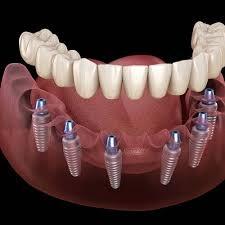
Dental implants are small posts, commonly made from titanium, that are surgically placed into the jawbone to act as artificial tooth roots. After placement, the implant gradually integrates with the surrounding bone through a process called osseointegration.
Once healing is complete, a replacement tooth is attached to the implant using an appropriate connector.
A dental implant restoration generally consists of three components:
-
Implant post: The component placed in the jawbone to provide support.
-
Abutment: The connector that joins the implant to the replacement tooth.
-
Dental crown: The visible part designed to resemble a natural tooth.
Depending on the patient's needs, implants may replace a single tooth, several missing teeth, or support a full-arch restoration.
Benefits of Dental Implants for Missing Teeth
Dental implants offer functional and aesthetic advantages when patients are appropriately selected and treatment is carefully planned.
1. Natural-Looking Appearance
Dental implant crowns are designed to complement the colour, shape, and size of surrounding teeth. A well-planned restoration can blend naturally with the smile and help patients feel more comfortable in social and professional situations.
2. Improved Chewing Ability
Missing teeth can make eating certain foods difficult. Dental implants provide a stable foundation for replacement teeth, helping restore chewing function.
Patients can often enjoy a wider variety of foods after treatment and recovery, although they should follow their dentist's instructions while the implant heals.
3. Support for Jawbone Health
After a tooth is lost, the jawbone in that area may gradually shrink because it no longer receives normal stimulation from the tooth root.
Dental implants transfer functional forces to the surrounding bone and can help reduce bone loss in the implant area. However, they do not prevent every form of bone deterioration or gum disease.
4. No Need to Prepare Adjacent Teeth
Unlike a conventional tooth-supported bridge, a single dental implant generally does not require the neighbouring teeth to be reshaped to support the restoration.
This can help preserve healthy adjacent teeth when an implant is an appropriate treatment option.
5. Long-Term Durability
Dental implants can last many years and may last for decades with appropriate care. Their longevity depends on factors such as oral hygiene, gum health, smoking habits, bite forces, overall health, and regular dental reviews.
The crown attached to an implant may need repair or replacement over time, even if the implant itself remains stable.
6. Greater Confidence and Convenience
Implant-supported teeth are fixed in place, unlike removable dentures. They do not normally need to be taken out for daily cleaning, and patients can maintain them using regular brushing, interdental cleaning, and professional dental care.
Who Is a Suitable Candidate for Dental Implants?
Dental implants may be suitable for adults who have one or more missing teeth and want a stable replacement option. However, candidacy depends on an individual examination rather than age or appearance alone.
A dentist may assess the following factors:
-
Healthy gums: Active gum disease should be treated before implant placement.
-
Adequate jawbone: Sufficient bone is needed to support the implant. Bone grafting may be possible when bone volume is insufficient.
-
Good oral hygiene: Patients must be willing to maintain daily cleaning and attend follow-up appointments.
-
Overall health: Certain medical conditions and medications may affect healing or treatment planning.
-
Smoking habits: Smoking increases the risk of implant complications and failure.
-
Realistic expectations: Patients should understand the treatment timeline, limitations, maintenance needs, and potential risks.
Some patients with controlled chronic conditions can still receive implants. A dentist may coordinate with the patient's physician when necessary.
Dental Implant Procedure: Step-by-Step Guide
Dental implant treatment usually involves several stages. The exact timeline varies according to bone quality, gum health, the need for additional procedures, and the type of restoration.
Step 1: Consultation and Examination
The process begins with a comprehensive dental assessment. The dentist evaluates the missing tooth area, surrounding teeth, gum health, and bite.
Digital X-rays or a CBCT scan may be recommended to assess bone volume and identify important anatomical structures.
During this appointment, patients can discuss treatment options, estimated costs, expected results, and possible complications.
Step 2: Treatment Planning
The dentist develops an individualised plan based on the number of missing teeth and the patient's oral condition.
The plan may include:
-
Implant placement without additional surgery.
-
Bone grafting if the jawbone needs additional support.
-
Tooth extraction if a damaged tooth remains.
-
A temporary replacement tooth when appropriate.
Not every patient requires all these procedures.
Step 3: Implant Placement
The implant is placed into the jawbone during a surgical procedure, usually under local anaesthesia. Sedation may be available in suitable clinical settings.
Patients may experience swelling, tenderness, or mild discomfort afterwards. These symptoms are generally manageable with the aftercare instructions and medication recommended by the treating clinician.
Step 4: Healing and Osseointegration
The implant needs time to integrate with the jawbone. This commonly takes several months, although the duration varies.
During healing, the dentist monitors the surgical site and advises patients on eating, cleaning, and protecting the implant. In selected cases, an immediate or early temporary restoration may be possible.
Step 5: Crown Placement
Once the implant is sufficiently stable, the dentist attaches the abutment and final crown or other planned restoration.
The replacement tooth is adjusted to ensure a comfortable bite, suitable appearance, and proper function.
Step 6: Follow-Up and Maintenance
Regular dental visits help the dentist assess the implant, surrounding gums, bite, and restoration. Professional maintenance is essential for identifying potential problems early.
Recovery After Dental Implant Surgery
Recovery depends on the complexity of the procedure and the patient's general health. Many people return to routine activities within a few days, although the implant requires a longer period to integrate with the bone.
To support healing:
-
Follow the dentist's instructions regarding prescribed medication.
-
Choose soft foods initially and avoid chewing directly on the surgical site when advised.
-
Maintain gentle oral hygiene without disturbing the healing area.
-
Avoid smoking and tobacco products.
-
Attend scheduled follow-up appointments.
-
Contact your dentist if pain or swelling worsens, bleeding persists, or you develop fever or other concerning symptoms.
Good aftercare reduces avoidable complications and supports successful healing.
What Results Can You Expect From Dental Implants?
Dental implants are designed to restore the appearance and function of missing teeth. Once treatment is complete, patients may experience improved chewing, clearer speech when tooth loss previously affected pronunciation, and a more complete smile.
However, results differ from person to person. The final appearance depends on the position of the implant, gum contours, the design of the crown, and the condition of surrounding teeth.
It is also important to understand that dental implants are not risk-free. Possible complications include infection, failure to integrate with the bone, nerve injury, sinus-related complications in certain upper-jaw cases, and peri-implantitis, an inflammatory condition affecting the tissues around an implant.
A thorough examination, careful treatment planning, good oral hygiene, and regular monitoring can help reduce risks.
Dental Implant in Islamabad: Choosing the Right Dental Clinic
When considering Dental Implant in Islamabad, patients should look beyond price alone. The quality of assessment, clinical expertise, infection-control standards, implant materials, and follow-up care all matter.
Before proceeding, ask the dental provider about:
-
The dentist's qualifications and implant experience.
-
Whether diagnostic imaging is required.
-
The implant system and restoration materials being used.
-
The total treatment cost, including any additional procedures.
-
The expected treatment timeline and follow-up schedule.
-
How complications and future maintenance will be managed.
A personalised consultation helps determine whether dental implants, bridges, dentures, or another treatment would best meet your needs.
Dental Implants at The Dentist Master
At The Dentist Master, patients considering dental implants can seek a professional assessment to understand their tooth replacement options and the steps involved in treatment. An appropriate consultation should evaluate oral health, jawbone condition, gum stability, medical history, and individual expectations before a treatment plan is recommended.
Patients interested in Dental Implant in Islamabad should discuss the procedure, available restoration options, estimated costs, healing time, and aftercare requirements with the dental team. Treatment suitability and expected outcomes should be determined through an individual clinical examination rather than a general promise of results.
Conclusion
Dental implants can provide a reliable and natural-looking option for replacing missing teeth. Their key benefits include improved chewing function, support for jawbone health, preservation of neighbouring teeth in suitable cases, and long-term durability.
Successful treatment depends on careful patient selection, appropriate implant placement, healthy gums, and consistent maintenance. If you have missing teeth, consult a qualified dental professional to compare your options and determine whether implants are suitable for your oral health and long-term goals.
Frequently Asked Questions (FAQs)
1. Are dental implants painful?
The procedure is usually performed under local anaesthesia. Some discomfort, swelling, and tenderness may occur during recovery.
2. How long do dental implants last?
Implants can last for many years and sometimes decades with good oral hygiene and regular professional care. The crown may need replacement sooner.
3. How long does implant treatment take?
Treatment may take several months, depending on healing, bone quality, and whether additional procedures are required.
4. Can anyone get dental implants?
No. Gum health, bone volume, medical conditions, medications, and lifestyle factors must be assessed before treatment.
5. What is the cost of a dental implant in Islamabad?
The cost varies according to the implant system, crown material, number of implants, diagnostic tests, and whether bone grafting or other procedures are needed. A dental consultation is the best way to obtain an individual estimate.

 English
 Arabic
 French
 Spanish
 Portuguese
 Deutsch
 Turkish
 Dutch
 Italiano
 Russian
 Romaian
 Portuguese (Brazil)
