
Top 5 Factors to Evaluate When Choosing a Rhinoplasty Clinic in Islamabad
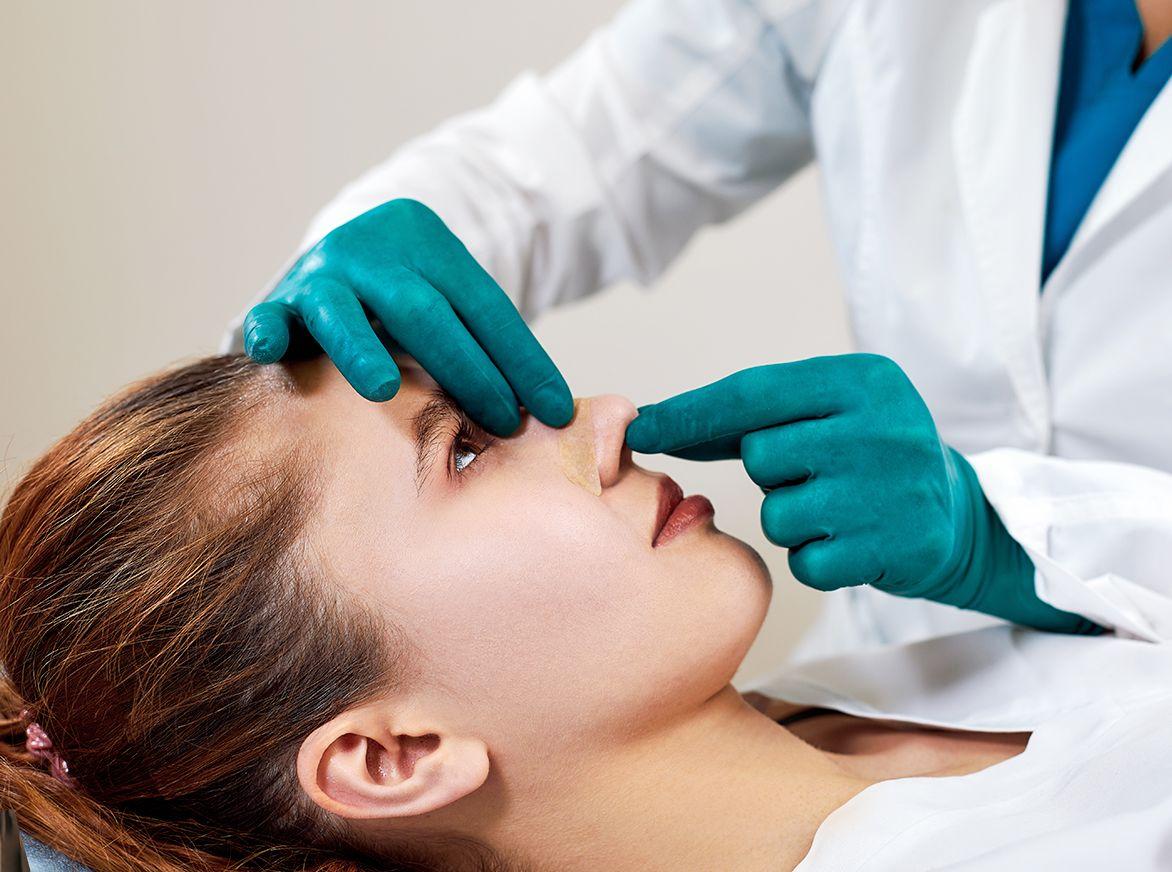
Choosing the right clinic for Rhinoplasty in Islamabad requires careful research, realistic expectations, and an understanding of surgical safety. Rhinoplasty, commonly known as nose surgery, is a procedure that reshapes the nose to address aesthetic concerns or, in some cases, improve breathing. For people considering rhinoplasty in Islamabad, selecting a qualified surgeon and an appropriate medical facility is an essential step toward making an informed decision.
Summary: The five most important factors to evaluate when choosing a rhinoplasty clinic in Islamabad are the surgeon’s qualifications, clinic safety standards, consultation quality, personalized treatment planning, and transparent aftercare arrangements. Evaluating these areas helps patients compare providers and understand what to expect before, during, and after surgery.
Why Clinic Selection Matters for Rhinoplasty
Rhinoplasty is a technically demanding procedure because the nose plays an important role in both facial appearance and breathing. Even small changes can influence facial balance, nasal function, and overall satisfaction. Therefore, patients should look beyond promotional offers or attractive before-and-after photographs when evaluating a clinic.
A reliable clinic should prioritize patient safety, clear communication, realistic outcomes, and individualized medical assessment. The goal is not simply to achieve a particular nose shape but to consider facial proportions, nasal structure, skin characteristics, and functional needs.
Surgeon Qualifications and Rhinoplasty Experience
The first factor to evaluate is the surgeon’s professional qualifications and experience with rhinoplasty. A clinic’s reputation alone does not establish whether the individual performing the operation has the appropriate training.
Before making a decision, consider the following:
-
Relevant qualifications: Verify the surgeon’s recognized medical and specialist credentials.
-
Procedure-specific experience: Ask how frequently the surgeon performs rhinoplasty and whether they have experience with concerns similar to yours.
-
Understanding of nasal anatomy: The surgeon should explain how bone, cartilage, skin thickness, and internal nasal structures can influence surgical planning.
-
Realistic expectations: A responsible professional will explain potential limitations rather than promise a perfect or guaranteed result.
Patients should also ask who will perform the operation, who will provide anesthesia, and which qualified professionals will be involved in their care.
An experienced rhinoplasty surgeon should be able to discuss the possible benefits, risks, limitations, and recovery requirements in language the patient understands.
Clinic Safety Standards and Medical Facilities
The second factor is the clinic’s commitment to surgical safety. Rhinoplasty involves medical risks, so patients should establish whether the procedure will take place in an appropriately equipped and authorized surgical facility.
Important considerations include:
-
Proper sterilization and infection-control procedures.
-
Appropriate anesthesia arrangements and monitoring.
-
Access to emergency equipment and trained medical personnel.
-
Clear preoperative assessment and medical history review.
-
Suitable postoperative observation and follow-up arrangements.
Ask where the surgery will take place and whether the facility is appropriately licensed or authorized for the procedure. Patients should also disclose existing medical conditions, medications, allergies, smoking habits, and previous nasal surgeries.
A professional clinic should welcome reasonable safety questions. Patients should never feel pressured to proceed without understanding the medical arrangements or having sufficient time to make an informed decision.
Consultation Quality and Patient Communication
The third factor is the quality of the initial consultation. A thorough consultation helps determine whether rhinoplasty is suitable for the patient and whether their goals are medically realistic.
During the appointment, the surgeon should assess the nose, discuss the patient's concerns, review relevant medical history, and explain the available options.
A useful consultation should cover:
-
The changes the patient hopes to achieve.
-
Nasal structure and any breathing-related concerns.
-
Potential surgical risks and complications.
-
Expected recovery time and temporary postoperative symptoms.
-
Possible limitations, asymmetry, and the need for revision surgery.
-
Questions about costs, follow-up appointments, and recovery support.
Patients should feel comfortable discussing their expectations without being pressured into booking surgery. Clear answers and honest explanations are important signs of a patient-centered approach.
Personalized Treatment Planning and Natural-Looking Results
The fourth factor is whether the clinic provides an individualized treatment plan. Rhinoplasty is not a one-size-fits-all procedure because every patient's facial structure, nasal anatomy, and aesthetic preferences are different.
A suitable plan should consider:
-
Facial proportions and the relationship between the nose, chin, and other facial features.
-
Skin thickness, cartilage strength, and nasal bone structure.
-
Functional concerns, including a deviated septum or breathing difficulties.
-
The patient's health, goals, and previous surgical history.
-
The likely benefits, limitations, and recovery requirements of the proposed approach.
Computer simulations or digital photographs may help communicate expectations, but they cannot guarantee the final surgical outcome.
Patients should be cautious of clinics that promise identical results to reference photographs. A responsible surgeon explains that the outcome depends on individual anatomy, healing, and other factors.
Aftercare, Follow-Up, and Transparent Costs
The fifth factor is the clinic's approach to postoperative care and financial transparency. Rhinoplasty recovery continues after the operation, making follow-up appointments and access to medical guidance important parts of the treatment process.
Before committing, ask about:
-
The expected recovery timeline and activity restrictions.
-
Scheduled postoperative assessments.
-
Instructions for managing swelling, discomfort, and nasal care.
-
How to contact the clinical team if concerns arise.
-
What the quoted fee includes, such as anesthesia, facility charges, medications, and follow-up visits.
-
Policies and potential costs associated with complications or revision procedures.
Swelling can take time to settle, and the final appearance may develop over several months or longer. Patients should follow their surgeon's instructions and attend recommended appointments.
Seek urgent medical assessment for severe breathing difficulty, heavy bleeding, sudden visual changes, or other serious symptoms after surgery.
Choosing a Rhinoplasty Clinic in Islamabad
Patients comparing local providers should evaluate professional credentials, facility standards, communication, personalized planning, and aftercare together rather than relying on one factor alone.
SKN Cosmetics in Islamabad is one option patients may consider when researching cosmetic surgery providers. Prospective patients should arrange a consultation to discuss their goals, ask about the operating surgeon's qualifications and rhinoplasty experience, confirm the surgical facility and safety arrangements, and understand the complete treatment and follow-up plan. These checks help patients assess whether a provider meets their individual needs.
Ultimately, the right clinic should encourage informed decisions, explain risks honestly, and prioritize both nasal function and facial harmony. Taking time to compare suitable providers can help patients approach rhinoplasty with clearer expectations and greater confidence.
Frequently Asked Questions
1. How do I choose the best rhinoplasty clinic in Islamabad?
Compare surgeon qualifications, surgical safety standards, consultation quality, treatment planning, and postoperative care.
2. How important is the surgeon's experience in rhinoplasty?
It is essential because rhinoplasty requires detailed knowledge of nasal anatomy, facial balance, and breathing function.
3. What should I ask during a rhinoplasty consultation?
Ask about the surgical approach, risks, expected results, recovery, total costs, and follow-up arrangements.
4. How long does rhinoplasty recovery take?
Initial recovery often takes a few weeks, while swelling and final results may take several months or longer to settle.
5. Does rhinoplasty improve breathing as well as appearance?
It can, depending on the underlying problem and surgical plan. A medical assessment is needed to determine whether functional improvement is appropriate.

 English
 Arabic
 French
 Spanish
 Portuguese
 Turkish
 Dutch
 Italiano
 Russian
 Romaian
 Portuguese (Brazil)
 Greek
