
How Platelet-Rich Plasma Therapy Helps Hair Growth in Riyadh
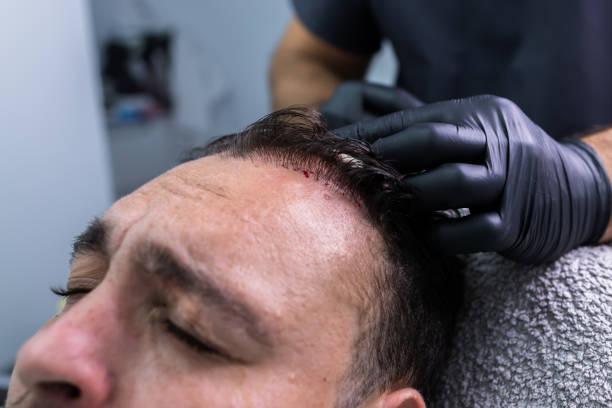
Hair thinning and hair loss can affect appearance, confidence, and overall well-being. Many people explore modern hair restoration options to support healthier-looking hair and improve hair density. One treatment that has gained attention is PRP Hair Treatment in Riyadh, a procedure that uses platelet-rich plasma derived from a person's own blood to support the scalp and hair follicles. It is also known as platelet-rich plasma therapy and is used in selected cases of hair loss.
Interest in PRP Hair Treatment in Saudi Arabia has grown as people seek nonsurgical approaches to managing hair thinning. However, understanding how the treatment works, who may benefit, and what results to expect is essential before making a decision. This guide explains the procedure, its potential benefits, suitability, recovery, and the factors that influence treatment outcomes.
What Is PRP Hair Treatment?
Platelet-rich plasma, commonly called PRP, is a concentrated component of blood that contains platelets and various growth factors. These substances play important roles in the body's natural healing processes. In hair restoration, PRP is prepared from a small blood sample and injected into selected areas of the scalp.
PRP Hair Treatment in Riyadh is generally considered a minimally invasive procedure because it does not require traditional surgery or hair transplantation. Its purpose is to support existing hair follicles and potentially improve hair thickness and density in suitable individuals.
PRP is not a guaranteed solution for every type of hair loss. Its effectiveness depends on the underlying cause of thinning, the condition of the hair follicles, and individual health factors. A professional assessment helps determine whether the treatment is appropriate.
How Does PRP Therapy Help Hair Growth?
PRP therapy focuses on delivering a concentrated preparation of platelets to areas of the scalp affected by hair thinning. Platelets release growth factors involved in tissue repair and cellular activity. Researchers are investigating how these processes may influence the hair growth cycle and the environment surrounding hair follicles.
In some individuals, PRP may help improve hair density, reduce the appearance of thinning, and support the thickness of existing hair. Results vary, and the treatment generally works best when hair follicles remain present and capable of producing hair.
The biological response to PRP is complex, and not every person experiences the same improvement. It is therefore important to approach PRP Hair Treatment in Saudi Arabia with realistic expectations and an understanding that research continues to evaluate its effectiveness.
Who May Benefit From PRP Hair Treatment in Riyadh?
PRP may be considered for adults experiencing certain types of hair thinning, particularly androgenetic alopecia, commonly known as pattern hair loss. Both men and women can experience this condition, although the pattern and progression of hair loss may differ.
People with early or moderate thinning may be more suitable candidates than those with extensive hair loss and long-standing areas where follicles are no longer active. A scalp examination and medical history can help establish whether PRP is likely to provide meaningful benefits.
People experiencing sudden hair loss, scalp inflammation, nutritional deficiencies, or hair shedding associated with medical conditions may need treatment for the underlying cause first. PRP should not replace appropriate diagnosis or established therapies when these are necessary.
What Happens During a PRP Hair Treatment Session?
The procedure usually begins with an assessment of the scalp, hair density, medical history, and expectations. Once suitability has been established, a small blood sample is collected. The sample is processed in a centrifuge to separate and concentrate the platelet-rich plasma from other blood components.
After preparation, the scalp is cleaned, and the PRP is administered through small injections into selected areas. A topical or other suitable numbing method may be used to reduce discomfort, depending on the individual's needs and the treatment protocol.
The session length varies according to the area being treated and the approach used. Most people can return to routine activities relatively soon, although temporary redness, tenderness, swelling, or small bruises may occur.
Benefits of PRP Hair Treatment
One reason PRP Hair Treatment in Riyadh attracts attention is its use of the patient's own blood components. When appropriately prepared and administered, PRP offers a nonsurgical option that may complement an individualized hair restoration plan.
Potential benefits include improved hair density, increased thickness of existing hair, and support for hair follicles affected by certain forms of hair loss. Some patients may also notice a reduction in visible thinning over time.
The treatment does not involve transplanting new hair follicles, and it cannot reliably restore hair in areas where follicles have been permanently lost. Results are variable, so patients should discuss the strength of the available evidence with a qualified healthcare professional before proceeding.
How Many PRP Sessions May Be Needed?
PRP treatment commonly involves an initial series of sessions rather than a single appointment. The number and spacing of sessions depend on the person's hair loss pattern, clinical assessment, response to treatment, and the protocol selected by the treating professional.
Some treatment plans begin with sessions spaced several weeks apart, followed by periodic maintenance if appropriate. However, there is no universal schedule that works for everyone, and the ideal frequency has not been firmly established for all hair loss conditions.
During follow-up appointments, the healthcare professional may assess changes in hair density, scalp condition, and shedding. These evaluations help determine whether to continue treatment, adjust the plan, or consider other options.
When Can You Expect to See Results?
Hair growth follows a natural cycle, so visible changes usually take time. PRP does not produce immediate hair growth, and improvements, when they occur, may develop gradually over several months.
Some individuals notice changes in hair shedding or thickness, while others experience limited improvement. Photographs taken under consistent lighting and regular clinical assessments can help track progress more accurately than memory alone.
The response to PRP Hair Treatment in Saudi Arabia may depend on the cause and duration of hair loss, the condition of the follicles, general health, and adherence to the recommended treatment plan. No specific result or timeline can be guaranteed.
Recovery and Aftercare Following PRP Therapy
Most people experience minimal downtime after PRP injections. Temporary scalp tenderness, mild swelling, redness, or pinpoint bleeding can occur and usually settles within a short period. The treating professional should explain which symptoms are expected and which require medical attention.
After treatment, patients may be advised to avoid vigorous exercise, excessive heat exposure, or washing the scalp for a specified period. Instructions vary according to the treatment method, so individualized guidance should take priority over general recommendations.
It is also important to keep the scalp clean and avoid irritating products until any sensitivity has resolved. Contact a healthcare professional if severe pain, increasing redness, fever, or other concerning symptoms develop.
Is PRP Hair Treatment Safe?
Because PRP is prepared from the patient's own blood, the risk of an immune reaction to the injected material is generally low. Nevertheless, the procedure involves blood collection and injections, so complications such as infection, bruising, bleeding, or temporary discomfort remain possible.
People with certain blood disorders, platelet abnormalities, active infections, or other medical conditions may not be suitable candidates. Medications and existing health concerns should be reviewed before treatment, and prescribed medication should never be stopped without medical advice.
Choosing a qualified healthcare professional who follows appropriate infection-control procedures and uses suitable preparation equipment is important. A thorough assessment also helps identify conditions that may require a different approach to hair loss.
PRP Hair Treatment Compared With Other Hair Restoration Options
PRP is one of several approaches used to address hair thinning. Depending on the diagnosis, treatment options may include topical minoxidil, prescription medications, correction of nutritional deficiencies, or hair transplantation. Each option has different benefits, limitations, and safety considerations.
Unlike hair transplantation, PRP does not relocate follicles from one part of the scalp to another. Instead, it aims to support existing follicles. For this reason, the two approaches serve different purposes, although a healthcare professional may recommend them as part of a broader plan in selected cases.
People considering PRP Hair Treatment in Riyadh should seek an individualized assessment rather than choosing a procedure solely because it is popular. The best approach depends on the cause of hair loss, personal goals, medical history, and available evidence.
Frequently Asked Questions
What Is PRP Hair Treatment in Riyadh?
PRP hair treatment is a nonsurgical procedure that uses platelet-rich plasma prepared from the patient's blood and injected into selected scalp areas. It may help improve hair density in some people with suitable types of hair loss.
Is PRP Hair Treatment in Saudi Arabia Suitable for Men and Women?
Yes, PRP may be considered for both men and women experiencing certain forms of hair thinning. Suitability depends on the diagnosis, the condition of the hair follicles, medical history, and individual treatment goals.
How Long Does PRP Hair Treatment Take to Show Results?
Visible changes may take several months because hair grows gradually. Some individuals experience improved thickness or density, while others see limited results. Response times vary from person to person.
Is PRP Hair Treatment Painful?
Patients may experience mild discomfort during blood collection and scalp injections. A suitable numbing method may help reduce discomfort. Temporary tenderness or redness can occur after the procedure.
Can PRP Completely Stop Hair Loss?
PRP cannot guarantee that hair loss will stop completely. Its effectiveness depends on the underlying condition, and some people require additional treatments to manage ongoing hair thinning.
How Can I Determine Whether PRP Is Right for Me?
A qualified healthcare professional can examine your scalp, review your medical history, and identify possible causes of hair loss. This assessment helps determine whether PRP or another treatment may be more appropriate.
Conclusion
PRP therapy is a promising option for selected individuals seeking support for hair thinning without undergoing hair transplantation. By using concentrated platelets from the patient's own blood, the procedure aims to improve the scalp environment and potentially support existing hair follicles. However, outcomes vary, and the treatment is not suitable for every cause or stage of hair loss.
Understanding the procedure, possible benefits, limitations, recovery, and expected timeline can help people make informed decisions about hair restoration. Anyone considering PRP Hair Treatment in Riyadh should consult a qualified healthcare professional for an accurate diagnosis and a personalized treatment plan. Enfield Royal Clinic Saudi is a name individuals may explore when researching aesthetic and hair restoration services in Saudi Arabia, while confirming the availability and suitability of specific treatments directly with the provider.

 English
 Arabic
 French
 Spanish
 Portuguese
 Deutsch
 Turkish
 Dutch
 Russian
 Romaian
 Portuguese (Brazil)
 Greek
