
Simple Ways to Create a Stylish, Organized, and Sustainable Home
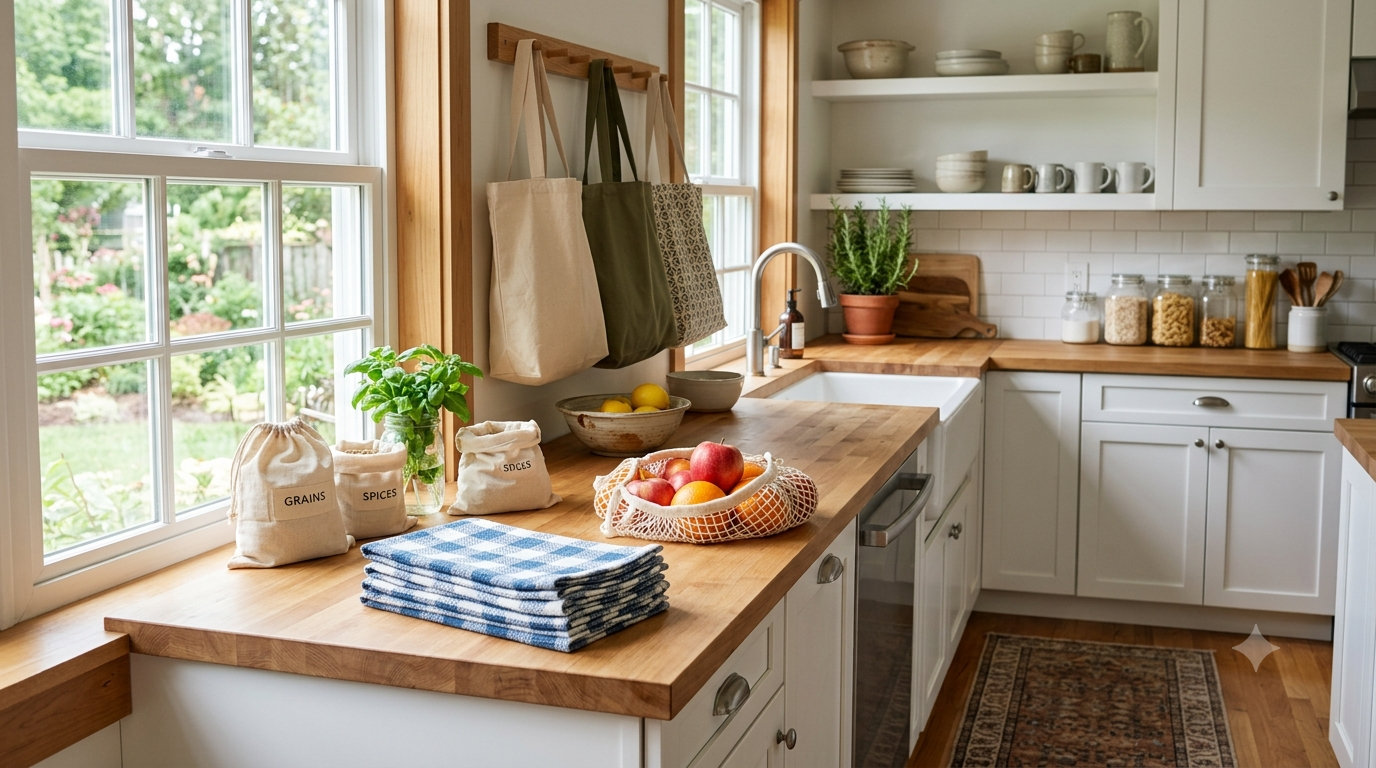
A comfortable home is built on thoughtful choices that combine style, functionality, and everyday convenience. From the textiles used in the kitchen to the bags carried during grocery shopping, small household essentials can make daily routines easier while helping people develop more sustainable habits. Choosing durable fabrics, reusable accessories, and versatile storage solutions can also reduce the need for frequently replaced disposable products.
Modern households increasingly value products that serve a practical purpose without compromising appearance. Soft kitchen towels, breathable fabric bags, and reusable shopping accessories can help create an organized living environment while encouraging more responsible consumption. By selecting quality materials and caring for them properly, homeowners can enjoy useful products that remain part of their everyday routines for years.
1. Make the Kitchen More Functional With Thoughtful Textiles
The kitchen is one of the busiest spaces in a home. Cooking, cleaning, preparing ingredients, and serving meals all require practical accessories that are easy to use and maintain. Kitchen textiles are particularly valuable because they combine everyday functionality with decorative appeal.
Well-chosen towels can complement cabinets, countertops, table linens, and other kitchen accessories. Neutral colors create a calm, understated atmosphere, while patterned fabrics introduce personality and visual interest. Coordinating these details can make the kitchen feel more organized without requiring expensive renovations.
For example, Buffalo Plaid Kitchen Towels can introduce a classic checkered pattern that suits farmhouse-inspired kitchens, rustic interiors, and contemporary spaces. Their distinctive appearance makes them useful for everyday kitchen routines while adding a decorative element to oven handles, open shelves, or countertop arrangements.
When choosing kitchen towels, consider the fabric, absorbency, durability, and intended use. Cotton is a popular option because it is soft, versatile, and generally easy to wash. Towels intended for drying dishes should be absorbent and leave minimal lint, while those used for wiping countertops should be easy to clean regularly.
Keeping separate towels for drying hands, handling clean dishes, and wiping surfaces can also improve kitchen organization. A simple system helps prevent cross-contamination and makes it easier to identify which towel should be used for each task.
2. Choose Materials That Support Everyday Use
The material of a household textile influences its comfort, performance, and maintenance requirements. Understanding these differences helps shoppers select products that suit their lifestyles.
Cotton is widely appreciated for its softness, breathability, and versatility. It works well for kitchen towels, reusable bags, and other frequently used household accessories. Depending on the weave and construction, cotton fabrics can offer different levels of absorbency, thickness, and durability.
Muslin is another useful fabric, particularly for lightweight storage and carrying solutions. Its breathable structure makes it suitable for organizing dry goods, small accessories, and various household essentials.
Linen offers a different combination of texture, appearance, and practical performance. It can be an attractive choice for kitchen textiles and home décor, especially for people who prefer natural-looking materials.
When comparing products, examine the stitching, fabric weight, dimensions, and washing instructions. Strong seams and reinforced handles can make frequently used items more reliable. Choosing products based on their intended purpose is often more valuable than selecting them solely for their appearance.
3. Make Grocery Shopping More Sustainable
Grocery shopping is a regular activity that creates opportunities to make more environmentally conscious choices. Disposable bags may be convenient, but repeatedly using suitable alternatives can help households reduce their dependence on single-use shopping bags.
Reusable Mesh Produce Bags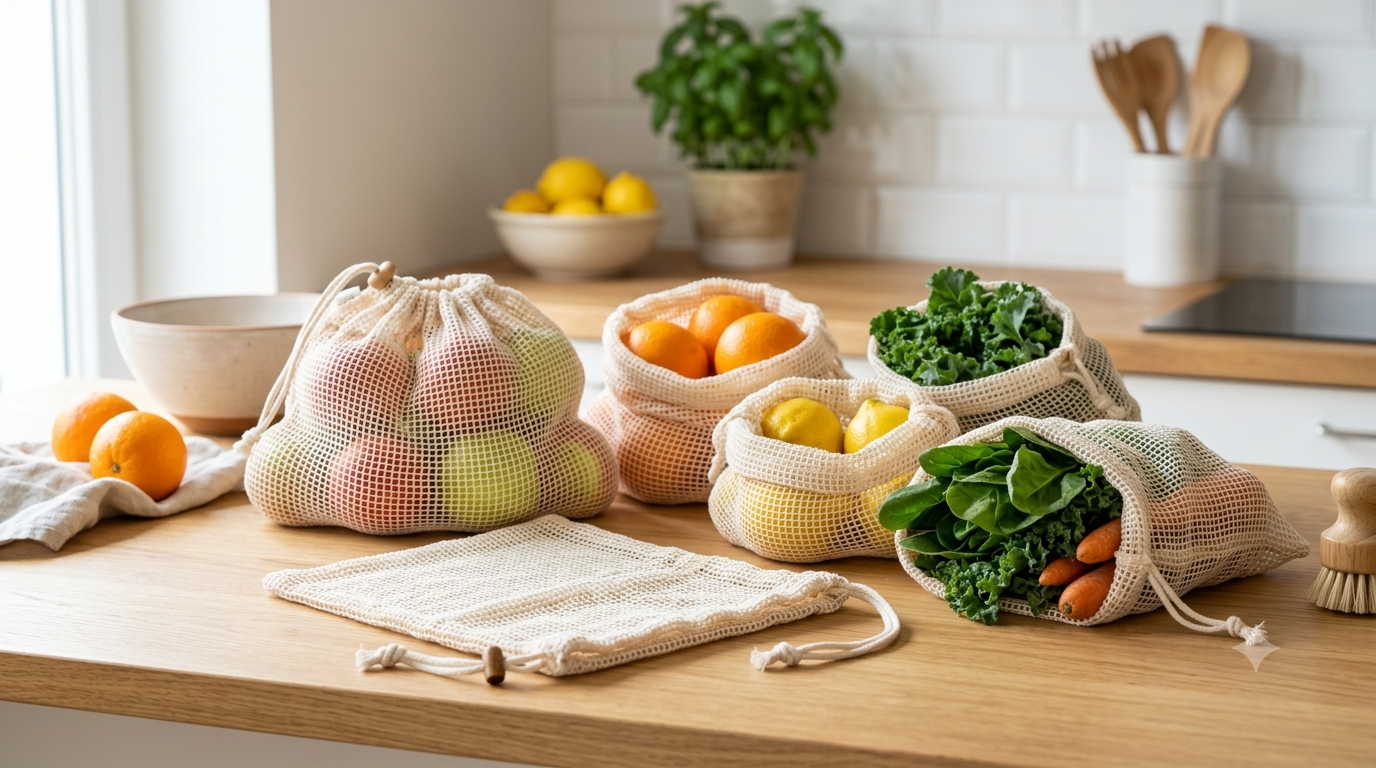 are a practical option for carrying fruits and vegetables. Their lightweight construction makes them convenient to keep inside a shopping tote, handbag, or car. The mesh design also allows shoppers to see the contents without opening each bag.
These bags can be useful for purchasing apples, oranges, onions, potatoes, and other suitable produce. Before choosing a set, check the bag dimensions, weight capacity, closure type, and cleaning instructions. Smaller bags work well for individual items, while larger options accommodate bulkier groceries.
Reusable produce bags can also help organize groceries after shopping. Depending on the material and the type of food stored, they may be useful for separating produce in the refrigerator or pantry. However, not every mesh bag is suitable for storing every type of food, so follow the manufacturer's care and storage guidance.
To make reusable bags part of a regular routine, store them somewhere easy to remember. Keeping a few near the front door, inside a daily-use bag, or in the vehicle can reduce the likelihood of forgetting them when leaving for the supermarket.
The key to maintaining this habit is convenience. When reusable products are easy to access, clean, and carry, they become a natural part of everyday shopping.
4. Organize Household Essentials With Versatile Fabric Bags
An organized home does not necessarily require complicated storage systems. Simple fabric bags can help keep frequently used belongings together while making shelves, cupboards, and drawers easier to manage.
Muslin Cloth Bags offer a lightweight storage option for suitable dry items. They can be used to organize craft supplies, small toys, travel accessories, stationery, and other household essentials. Their simple appearance also makes them easy to incorporate into different interior styles.
In the kitchen, fabric bags can help group small accessories or keep reusable shopping items together. In bedrooms and living spaces, they can store lightweight belongings that might otherwise become scattered across drawers or shelves.
When using fabric bags for organization, consider the following practical suggestions:
-
Sort by category: Keep similar items together, such as travel accessories, stationery, or reusable shopping supplies.
-
Choose suitable sizes: Smaller bags work well for compact objects, while larger bags accommodate bulkier belongings.
-
Label the contents: Simple labels make it easier to identify stored items without opening every bag.
-
Keep moisture away: Store clean, dry fabric bags in a dry location to help prevent musty odors and unwanted mildew.
-
Wash when necessary: Follow the care instructions to maintain the fabric and keep the bags fresh.
Although breathable fabric is useful for many storage applications, it should not automatically be treated as moisture-proof or airtight. Items that require protection from humidity, pests, or spills may need a different storage solution.
Selecting the right bag for each purpose helps maintain a balance between convenience and proper storage.
5. Make Everyday Errands Easier With Reusable Shopping Bags
Reusable shopping bags are useful beyond weekly grocery trips. They can carry books, clothing, lunch containers, craft materials, and other everyday necessities. Choosing a comfortable design can make them practical accessories for work, shopping, travel, and casual outings.
Long Handle Bags are especially convenient because their extended straps often allow users to carry them over the shoulder, keeping their hands free for other tasks. They can be helpful when walking through markets, visiting local stores, or carrying several lightweight items during daily errands.
When selecting a reusable shopping bag, consider its intended load, fabric strength, handle construction, and overall capacity. Reinforced seams can improve durability, while a wide opening makes it easier to place items inside and remove them when needed.
Canvas and other sturdy fabrics may suit heavier everyday essentials, while lightweight cotton bags can be convenient for carrying smaller loads. The best choice depends on how frequently the bag will be used and what it needs to carry.
Reusable bags also benefit from a consistent cleaning routine. Remove crumbs and loose debris after use, wash the bag according to its care label, and allow it to dry completely before folding and storing it.
For grocery shopping, keeping separate bags for food, cleaning supplies, and other household products can make unpacking easier. It can also help prevent unwanted contact between items.
6. Care for Reusable Textiles to Extend Their Life
Choosing reusable products is only one part of creating more sustainable household habits. Proper maintenance is equally important because regularly cleaning and repairing textiles can help keep them useful for longer.
Start by checking the manufacturer's washing instructions. Different fabrics, dyes, and constructions may require different care methods. Avoid assuming that every cotton, muslin, mesh, or linen product can be washed in exactly the same way.
Consider these maintenance practices:
Wash products as needed: Kitchen towels should be washed regularly, particularly when they become damp, visibly dirty, or contaminated during food preparation.
Separate laundry appropriately: Keep heavily soiled kitchen textiles separate from other laundry when necessary, and follow appropriate hygiene practices.
Use suitable detergents: Choose a detergent appropriate for the fabric and follow the recommended dosage.
Dry thoroughly: Make sure reusable bags and towels are completely dry before putting them away.
Repair minor damage: Loose stitching or small seam problems may be repairable before they become more significant.
Store products carefully: Keep clean textiles in a dry, accessible place so they remain ready for everyday use.
These straightforward habits help households get more value from their textile products while maintaining cleanliness and organization.
7. Combine Style, Convenience, and Responsible Choices
Creating a more sustainable home does not require replacing everything at once. A gradual approach is often more practical. Begin with frequently used items, identify products that need replacing, and choose suitable reusable alternatives when necessary.
For example, a household might start by replacing worn kitchen towels, keeping reusable bags near the entrance, and organizing pantry accessories in clearly labeled fabric bags. Over time, these small changes can establish a more consistent approach to household management.
It is also important to consider the complete life cycle of a product. Reusable items require materials, manufacturing, transportation, cleaning, and eventual disposal. Their environmental benefits depend partly on how often they are used, how long they last, and what they replace. Choosing durable products and using them repeatedly helps make the most of that investment.
Style can remain part of the process. Coordinating kitchen textiles, selecting bags that suit everyday needs, and organizing storage areas with complementary materials can create a home that feels both attractive and functional.
Rather than focusing only on appearance or sustainability claims, look for practical qualities such as durability, ease of care, versatility, and suitability for the intended task.
8. Find Everyday Essentials That Fit Your Lifestyle
The right household products should make daily routines easier without creating unnecessary clutter. Whether you are refreshing a kitchen, organizing household accessories, or preparing for a grocery trip, versatile textiles can provide useful solutions for many everyday situations.
All Cotton and Linen offers home textiles, kitchen essentials, and reusable fabric products for people looking to bring together practical function and considered design. Exploring its collection can help readers discover options for everyday kitchen routines, household organization, and reusable shopping needs.
When choosing new products, think about how they will fit into your existing habits. A useful kitchen towel should perform well during regular cooking and cleaning, while a shopping bag should be comfortable to carry and easy to maintain. Storage accessories should suit the items they hold and the space available in the home.
Making thoughtful purchases instead of accumulating unnecessary items can also support a more organized household. Focus on products that serve a clear purpose, suit your routine, and can be maintained properly over time.
Conclusion
A stylish and organized home begins with everyday choices that combine practicality, durability, and thoughtful design. Kitchen textiles can improve daily cooking routines, reusable bags can make shopping more convenient, and fabric storage solutions can help keep household essentials organized.
Selecting appropriate materials, following care instructions, and reusing products regularly are simple ways to make household routines more efficient. Although no single product can make a household completely sustainable, small and consistent changes can encourage more responsible consumption.
By prioritizing useful, well-maintained essentials, homeowners can create spaces that are attractive, comfortable, and functional. All Cotton and Linen provides a starting point for exploring home textiles, kitchen accessories, and reusable fabric products that fit naturally into everyday life.

 Arabic
 French
 Spanish
 Portuguese
 Deutsch
 Turkish
 Dutch
 Italiano
 Russian
 Romaian
 Portuguese (Brazil)
 Greek
