
Tummy Tuck Dubai: How Are Changes in Abdominal Shape After Weight Loss Assessed?
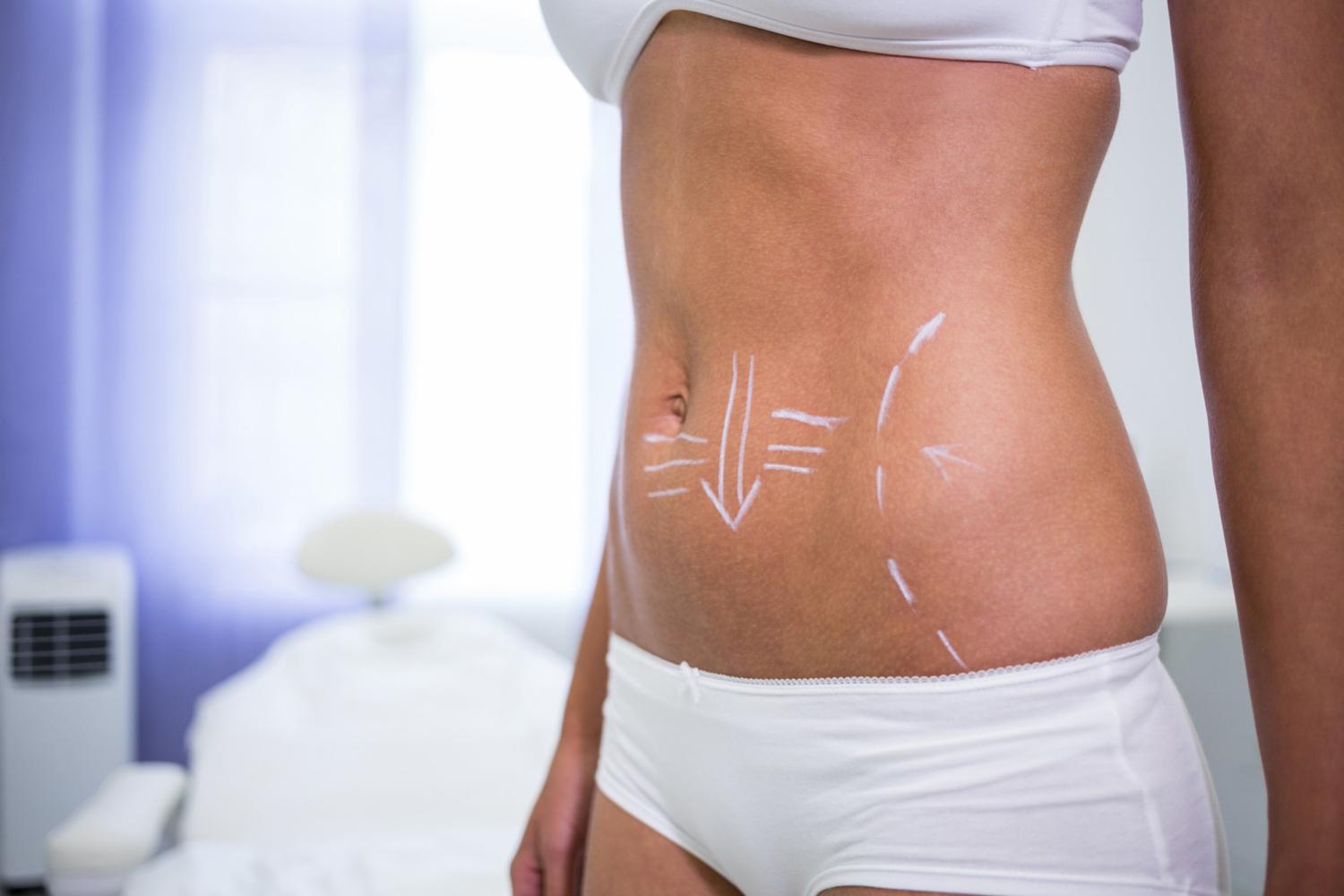
Weight loss can bring meaningful improvements in health, mobility and overall wellbeing. However, after losing a significant amount of weight, some people notice that their abdominal shape does not change as much as they expected. The stomach may appear loose, the skin may hang over the lower abdomen, or the waistline may look different even after reaching a healthier weight. These changes can occur because the skin, underlying tissues and abdominal muscles respond differently to weight fluctuations.
For individuals exploring Tummy tuck dubai, understanding how these changes are assessed is an important first step towards making an informed decision about body contouring. A detailed consultation helps identify whether the main concern is excess skin, localised fat, abdominal wall changes or a combination of these factors.
Dr. Shahram Sajjadi can assess the abdominal area in relation to the patient's anatomy, weight history and aesthetic goals to help determine which treatment approach may be appropriate. The objective is to understand the reasons behind the current abdominal shape rather than relying on weight alone to decide whether surgery may be suitable.
Why Does Abdominal Shape Change After Weight Loss?
The abdomen is made up of several structures that contribute to its overall appearance. These include the skin, subcutaneous fat, connective tissue and abdominal muscles. When body weight increases, the skin and surrounding tissues may stretch to accommodate changes in volume. After weight loss, the amount of fat beneath the skin decreases, but the skin does not always retract completely.
The degree of change varies from person to person. Factors such as age, genetics, the amount of weight lost, the duration of previous weight gain and natural skin elasticity can influence the final abdominal contour.
Some individuals develop a relatively flat abdomen but retain loose skin around the lower stomach. Others notice a rounded appearance that persists despite losing weight. In some cases, the abdominal wall may also have weakened or stretched, contributing to a protruding profile.
Understanding these differences is essential because each concern may require a different approach. A suitable assessment considers the overall shape of the abdomen, not simply the number displayed on the weighing scale.
How Is Excess Abdominal Skin Assessed?
One of the main areas examined during a tummy tuck consultation is the quality and distribution of the abdominal skin. After substantial weight loss, the skin may have difficulty adapting to the reduced volume beneath it.
A surgeon may examine whether the skin appears loose, folded or stretched and determine where the excess tissue is concentrated. Particular attention is often given to the lower abdomen, the area around the navel and the sides of the waist.
The extent of skin laxity helps establish whether the concern is limited to a small area or affects a larger part of the abdomen. For example, someone with a small fold below the belly button may have different treatment needs from someone with loose skin extending across the entire stomach and into the flanks.
Skin elasticity is also considered. Although a physical examination cannot predict every aspect of how skin will behave, it helps the surgeon understand the available tissue and how it may respond to surgical reshaping.
Stretch marks may also be discussed during the assessment. Some stretch marks located on skin that is removed during surgery may be eliminated, while others may remain. The likely changes depend on their location and the amount of excess skin that can be removed.
How Is the Distribution of Remaining Fat Evaluated?
Weight loss does not always remove fat evenly from every part of the body. Some individuals retain localised fat deposits around the lower abdomen, waist or flanks even after their weight has decreased.
During the consultation, the surgeon examines the thickness and distribution of the tissue beneath the skin. This helps distinguish between an abdomen that appears prominent mainly because of excess skin and one where remaining fat contributes substantially to its shape.
This distinction matters when considering a procedure. A tummy tuck primarily addresses excess skin and may include abdominal wall tightening when indicated. Liposuction, by comparison, focuses on selected areas of excess fat and is not designed to remove significant amounts of loose skin.
In some cases, a combination of techniques may be considered. The appropriate option depends on the individual's skin quality, tissue distribution, anatomy and desired outcome.
The aim is to establish which features are responsible for the current abdominal contour before recommending a treatment plan.
How Are Abdominal Muscles and Wall Changes Examined?
A protruding abdomen is not always caused by excess fat. Changes in the abdominal wall can also affect the way the stomach looks, particularly following pregnancy or significant changes in body weight.
The abdominal muscles and their surrounding connective tissue contribute to the support and contour of the midsection. In some people, the muscles may become stretched or separated along the midline, a condition known as diastasis recti.
During an examination, the surgeon may assess the abdominal wall, observe the profile of the stomach and perform appropriate physical assessments to understand whether muscle separation or laxity may be contributing to the appearance.
A persistent central bulge, for example, may have a different underlying explanation from a loose fold of skin beneath the navel. Identifying the difference helps establish whether skin removal alone is likely to address the main concern or whether abdominal wall repair should also be considered.
Not every patient who loses weight develops muscle separation, and a prominent abdomen does not automatically indicate this condition. The findings must be interpreted in the context of the individual's anatomy and medical history.
Why Is Weight History Important Before a Tummy Tuck?
A person's weight history provides useful context for understanding changes in abdominal shape. The surgeon may ask how much weight has been lost, how quickly the change occurred and whether the patient's weight has remained relatively stable.
These details help determine whether the body is still changing or whether the remaining concerns are more likely to persist. When further substantial weight loss is planned, it may be preferable to complete that process before undergoing body-contouring surgery.
Stable weight is important because additional weight loss can create further loose skin, while significant weight gain may alter the abdominal contour after surgery.
The consultation may also cover previous weight-management treatments, bariatric surgery where relevant, dietary habits and future plans that could influence body shape. This information helps the surgeon assess whether the timing is appropriate.
The goal is not to reach one specific weight that suits everyone. Instead, the focus is on determining whether the patient's weight is reasonably stable and whether their expectations align with what surgery can achieve.
How Do Different Abdominal Shapes Influence Treatment Planning?
Not everyone who experiences loose abdominal skin after weight loss requires the same procedure. Treatment planning depends on the location, amount and combination of changes identified during the examination.
Lower Abdominal Skin Laxity
When excess skin is mainly concentrated below the belly button, a more limited approach may be suitable for selected patients. A mini tummy tuck may be considered when the degree and location of skin laxity fit the procedure's scope.
However, the amount of skin that can be addressed with a limited procedure is restricted. The surgeon must assess whether the upper abdomen and surrounding areas also need attention.
Loose Skin Across the Entire Abdomen
When loose skin extends above and below the belly button, a full tummy tuck may be more appropriate. This procedure can remove excess skin and reposition the remaining tissue to create a smoother abdominal profile. Abdominal muscle tightening may also be included when indicated.
The precise plan depends on the patient's anatomy and the extent of tissue changes following weight loss.
Excess Tissue Extending Towards the Waist
Some people develop loose skin that continues around the sides of the abdomen. In these cases, the assessment may need to consider the flanks as well as the front of the stomach.
Depending on the distribution of excess tissue, a wider body-contouring approach may be discussed. The surgeon should explain the intended treatment area and how the proposed technique relates to the patient's individual concerns.
Localised Fat With Relatively Good Skin Elasticity
Patients whose main concern is localised fat rather than loose skin may benefit from a different approach. Liposuction may be considered in suitable cases, provided the skin has sufficient elasticity and the patient's overall circumstances support the procedure.
A physical examination helps distinguish these patterns and prevents the assumption that one treatment is suitable for every post-weight-loss abdomen.
What Happens During a Tummy Tuck Consultation in Dubai?
A consultation brings together the patient's concerns, medical background and physical examination findings. It also provides an opportunity to discuss what the patient hopes to change about their abdominal shape.
The assessment may include:
- Reviewing weight changes and whether the current weight is stable.
- Examining loose skin and its distribution across the abdomen.
- Assessing the amount and location of remaining fat.
- Evaluating abdominal wall firmness and possible muscle separation.
- Reviewing previous abdominal surgery and relevant medical history.
- Discussing expectations, likely changes and suitable treatment options.
Measurements or clinical photographs may be used when appropriate to document the existing contour and assist with planning. These records can also help explain the areas that a proposed procedure is intended to address.
For patients researching Tummy tuck Cost in dubai, it is helpful to understand that the proposed treatment plan influences the overall cost. The extent of skin removal, whether muscle repair is required, the complexity of the procedure and the associated care can all affect the final quotation. An individual assessment is therefore more useful than relying on a general price estimate alone.
How Important Are Realistic Expectations After Weight Loss?
A tummy tuck is intended to improve abdominal contour rather than replace weight management or create a completely different body shape. Understanding the likely scope of improvement is an important part of treatment planning.
The surgeon should explain which areas may be improved, what changes may remain and how the patient's natural anatomy influences the expected outcome. The position of the navel, the distribution of skin and the relationship between the abdomen and waist all contribute to the final appearance.
It is also important to understand that removing excess skin does not guarantee the elimination of every stretch mark or the creation of a perfectly flat abdomen. Individual anatomy and tissue characteristics influence what is achievable.
Patients should have an opportunity to ask questions and discuss their priorities before deciding whether to proceed. A well-informed decision begins with a clear understanding of the proposed procedure and its intended results.
Maintaining Abdominal Shape After Treatment
Long-term body-contouring results are influenced by lifestyle and future changes in body weight. Maintaining a relatively stable weight can help preserve the abdominal contour achieved through surgery.
Balanced nutrition, regular physical activity and sustainable weight-management habits support general wellbeing. Patients should follow their surgeon's guidance about when and how to resume exercise following a procedure.
It is also useful to remember that the body continues to change with age. Significant future weight fluctuations or pregnancy can affect abdominal skin and tissue, even after surgery.
For this reason, treatment planning should consider not only the patient's current appearance but also their longer-term goals. A consultation provides an opportunity to discuss the timing of surgery in relation to anticipated lifestyle changes.
Conclusion
Assessing changes in abdominal shape after weight loss requires more than measuring the waist or considering a person's current weight. Loose skin, remaining fat, abdominal muscle separation and the distribution of excess tissue can all influence the appearance of the stomach.
For individuals considering Tummy tuck dubai, a detailed examination helps identify the main factors contributing to their abdominal contour and determine which treatment options may be appropriate. The assessment also considers weight stability, medical history, personal goals and the extent of improvement that may realistically be achieved.
Dr. Shahram Sajjadi can use these considerations during a consultation to help patients understand their options and make an informed decision about abdominal contouring. The most appropriate plan is one that reflects the individual's anatomy, concerns and long-term expectations.
Frequently Asked Questions
1. Why does the abdomen sometimes remain loose after significant weight loss?
When body weight decreases, the volume of fat beneath the skin becomes smaller, but stretched skin may not fully retract. The remaining appearance can also be influenced by age, genetics, skin elasticity and changes in the abdominal wall.
2. How is excess abdominal skin assessed before a tummy tuck?
The surgeon examines the location, amount and quality of loose skin, including whether it is concentrated below the navel or extends across the entire abdomen and waist. This assessment helps determine the extent of treatment that may be appropriate.
3. Can a tummy tuck address a protruding abdomen after weight loss?
A tummy tuck may improve abdominal projection when excess skin or abdominal wall laxity contributes to the shape. However, the underlying cause of the protrusion must be assessed before a suitable treatment can be recommended.
4. Is a mini tummy tuck suitable after weight loss?
A mini tummy tuck may suit selected patients with limited excess skin, mainly below the belly button. Individuals with more extensive skin laxity or changes across the upper abdomen may require a different approach.
5. Does a tummy tuck remove all stretch marks?
No. Stretch marks within the area of skin removed during surgery may be eliminated, while marks outside that area generally remain. Their appearance and position depend on the location of the marks and the surgical plan.
6. Should weight be stable before considering a tummy tuck?
Generally, yes. Reaching and maintaining a relatively stable weight helps the surgeon assess the remaining skin and tissue more accurately. Further substantial weight loss may create additional loose skin and change the expected result.
7. How is remaining abdominal fat distinguished from loose skin?
A physical examination helps the surgeon assess the thickness of the tissue beneath the skin and determine whether the main concern is excess fat, skin laxity or both. The distinction influences whether a tummy tuck, liposuction or another approach may be suitable.
8. Can abdominal muscles be tightened during a tummy tuck?
Abdominal muscle tightening may be performed when examination findings indicate muscle separation or laxity that contributes to the abdominal contour. It is not necessary for every patient and depends on the individual's anatomy and treatment goals.
9. What affects the cost of a tummy tuck in Dubai?
The cost may depend on the extent of excess skin, the type of tummy tuck required, whether abdominal muscle repair or additional contouring is planned, and the associated surgical and aftercare arrangements. An individual consultation is needed for a personalised estimate.
10. How can I find out whether I am suitable for a tummy tuck?
A consultation with a qualified plastic surgeon is the appropriate starting point. The assessment should consider your weight history, skin quality, abdominal wall, general health and desired outcome before a personalised treatment recommendation is made.

 English
 Arabic
 French
 Spanish
 Portuguese
 Deutsch
 Turkish
 Dutch
 Italiano
 Russian
 Romaian
 Portuguese (Brazil)
