
What Happens After Your Blood Sample Is Collected at Home?
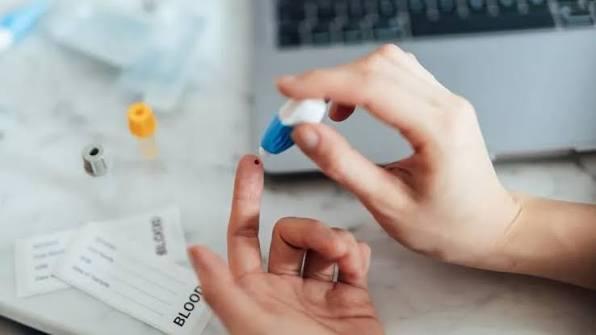
Home blood testing has made routine healthcare more convenient for people who prefer professional sample collection without travelling to a diagnostic laboratory. Blood Test At Home in Dubai allows patients to arrange blood collection at their residence, while services such as Doctor at Home may help coordinate testing according to individual needs and provider availability. However, the process does not end when the healthcare professional finishes collecting the sample. The blood must be labelled correctly, handled safely, transported under suitable conditions, and analysed by a laboratory before the results can be interpreted. Understanding what happens after collection helps patients know what to expect, how results are delivered, and when to seek medical advice.
What Happens Immediately After Blood Collection?:
Once the blood sample has been collected, the healthcare professional checks that the collection process is complete and ensures that the sample containers are suitable for the requested tests. Different investigations may require different collection tubes, and some samples need specific handling procedures to preserve their quality. The professional should label each sample accurately using the required patient identifiers and verify the requested investigations. Correct labelling is essential because a sample identification error can delay testing or lead to an unreliable result. The collector may also explain the next steps, including expected result timelines and how the patient will receive the report. Before leaving, the professional should ensure that used needles and other sharps are disposed of safely.
How Is Your Blood Sample Prepared for Transport?:
After collection, the sample is prepared for transport according to the requirements of the requested laboratory tests. Some samples need to clot before processing, while others must be mixed gently with specific additives or separated into different containers. Certain tests may require refrigeration, protection from light, or delivery within a particular time frame. The healthcare professional follows the relevant handling instructions to help maintain sample integrity. With Blood Test At Home in Dubai, the collection provider should have a clear process for transferring samples to the laboratory and maintaining appropriate conditions during transportation. Patients generally do not need to handle or transport their own samples when this is included in the service, but they can ask the provider how the process works.
How Is the Blood Sample Delivered to the Laboratory?:
Once prepared, the blood sample is transported to the designated diagnostic laboratory using procedures appropriate for the type of specimen and tests requested. The time required for delivery may depend on the patient's location, traffic, collection schedules, laboratory operating hours, and any special handling requirements. Some routine samples can be processed relatively quickly, while others need more specialised arrangements. Proper transport helps protect sample quality and supports accurate laboratory analysis. Before booking a home blood test, patients can ask which laboratory will process their sample and whether the provider follows documented transport procedures. If a sample arrives in unsuitable condition or outside the required time window, the laboratory may need to reject it and request a new collection.
What Happens When the Laboratory Receives Your Sample?:
When a sample reaches the laboratory, staff typically check its identification, condition, container, and suitability for the requested investigations. The sample is then registered in the laboratory system and directed to the appropriate testing department. If the sample is correctly labelled and meets the laboratory's requirements, it proceeds to analysis using the relevant equipment and testing methods. Laboratory professionals follow quality control procedures to help ensure that testing equipment and processes perform as expected. In some cases, a sample may be unsuitable because of insufficient volume, clotting, leakage, damage, or handling problems. If this happens, the laboratory or healthcare provider may contact the patient to arrange another collection. These checks are important because an unsuitable sample can affect the reliability of a result.
How Are Blood Tests Analysed?:
The laboratory uses methods suited to each requested investigation. For example, a complete blood count measures different blood cell components, a glucose test measures blood sugar, and a lipid profile evaluates cholesterol and triglycerides. Other tests may assess thyroid hormones, kidney function, liver markers, vitamins, minerals, or other substances in the blood. Depending on the investigation, analysis may involve automated instruments, specialised techniques, or additional verification steps. Laboratories use internal quality control procedures to identify potential analytical problems and support reliable reporting. Not all tests are completed at the same speed, and some specialised investigations may take longer than routine tests. Patients should therefore ask about the expected turnaround time for their specific tests rather than assuming every report will be ready on the same day.
How Long Does It Take to Receive Blood Test Results?:
The time required to receive a blood test report depends on the type of investigation, the laboratory's workload, the collection time, and whether additional analysis is needed. Many routine blood tests may be reported within a relatively short period, while specialised tests can take several days or longer. A sample collected late in the day, during a weekend, or before a public holiday may also follow a different processing schedule. Home collection providers should explain the expected turnaround time when the appointment is arranged and tell patients how they will be notified if a delay occurs. If results have not arrived within the stated timeframe, contact the provider or laboratory rather than assuming that the report is normal or that no further action is required.
How Will You Receive Your Blood Test Report?:
After analysis and the required laboratory checks, the results are compiled into a report and released through the provider's reporting process. Depending on the service, patients may receive results through a secure online portal, email, an application, or another approved method. Because laboratory reports contain private medical information, patients should understand how their results are protected and who can access them. The report may include measured values, units, reference ranges, and comments where appropriate. Patients should review the document carefully to ensure that the details appear correct and contact the provider if they notice missing tests or identification errors. Receiving the report is only one step in the process; understanding what the results mean may require a discussion with a qualified healthcare professional.
Why Is Medical Interpretation Important After Testing?:
Blood test results should be interpreted in the context of a person's symptoms, medical history, medications, and reason for testing. A result outside the laboratory's reference range does not automatically indicate a serious illness, and a result within the range does not rule out every possible medical condition. Factors such as hydration, recent meals, medications, pregnancy, and current illness can influence certain measurements. A healthcare professional can explain the findings, decide whether additional investigations are necessary, and recommend suitable treatment or monitoring when appropriate. Patients should not start supplements, stop prescribed medication, or change treatment solely because of a laboratory report. If a provider or clinician contacts you about a result requiring urgent attention, follow the instructions given and seek prompt medical care as advised.
What Should You Do While Waiting for Your Results?:
While waiting for a report, patients should continue following their healthcare professional's existing advice and avoid making treatment changes without guidance. If the blood test was requested to investigate symptoms, keep track of any changes and arrange the recommended follow-up appointment. Patients should also keep a copy of the test request and any previous reports that may help their clinician compare results over time. If the provider requests another sample because the original was unsuitable, ask why repeat collection is necessary and whether any preparation instructions have changed. Most importantly, do not delay urgent care while waiting for routine test results if serious symptoms develop.
Helpful steps include:
-
Confirm the expected date and method of result delivery.
-
Keep your test report in a secure place.
-
Arrange a follow-up consultation if your clinician requested one.
-
Ask for clarification if a result or laboratory comment is unclear.
-
Follow medical advice rather than self-diagnosing.
-
Seek prompt medical attention if you experience severe or rapidly worsening symptoms.
How to Choose a Reliable Home Blood Testing Service in Dubai:
The quality of the post-collection process depends partly on the provider's procedures and laboratory arrangements. When choosing a home blood testing service, confirm that it is appropriately licensed or authorised, employs qualified collection staff, and uses a suitable diagnostic laboratory. Ask how samples are labelled, transported, and tracked, and whether the provider explains what happens if a specimen is rejected or results are delayed. It is also useful to check the total cost, available tests, reporting timeframe, and privacy safeguards before booking. A dependable service should communicate clearly and provide a practical way to contact the team with questions. These details help patients understand the process and make informed decisions about their healthcare.
Final Thoughts
After a blood sample is collected at home, it passes through several important stages, including labelling, preparation, transport, laboratory registration, analysis, and result reporting. Blood Test At Home in Dubai can make sample collection more convenient, but reliable results still depend on correct handling, appropriate laboratory procedures, and professional interpretation. Patients should choose a reputable provider, confirm when results are expected, and discuss their reports with a qualified healthcare professional. Understanding each step can reduce uncertainty and help patients know what to expect after their appointment. Ultimately, blood testing is most useful when accurate laboratory analysis is combined with appropriate medical advice and follow-up care.

 English
 Arabic
 French
 Spanish
 Portuguese
 Deutsch
 Turkish
 Dutch
 Italiano
 Russian
 Romaian
 Greek
