
VFX Studios in Dubai for Cinematic Visual Storytelling
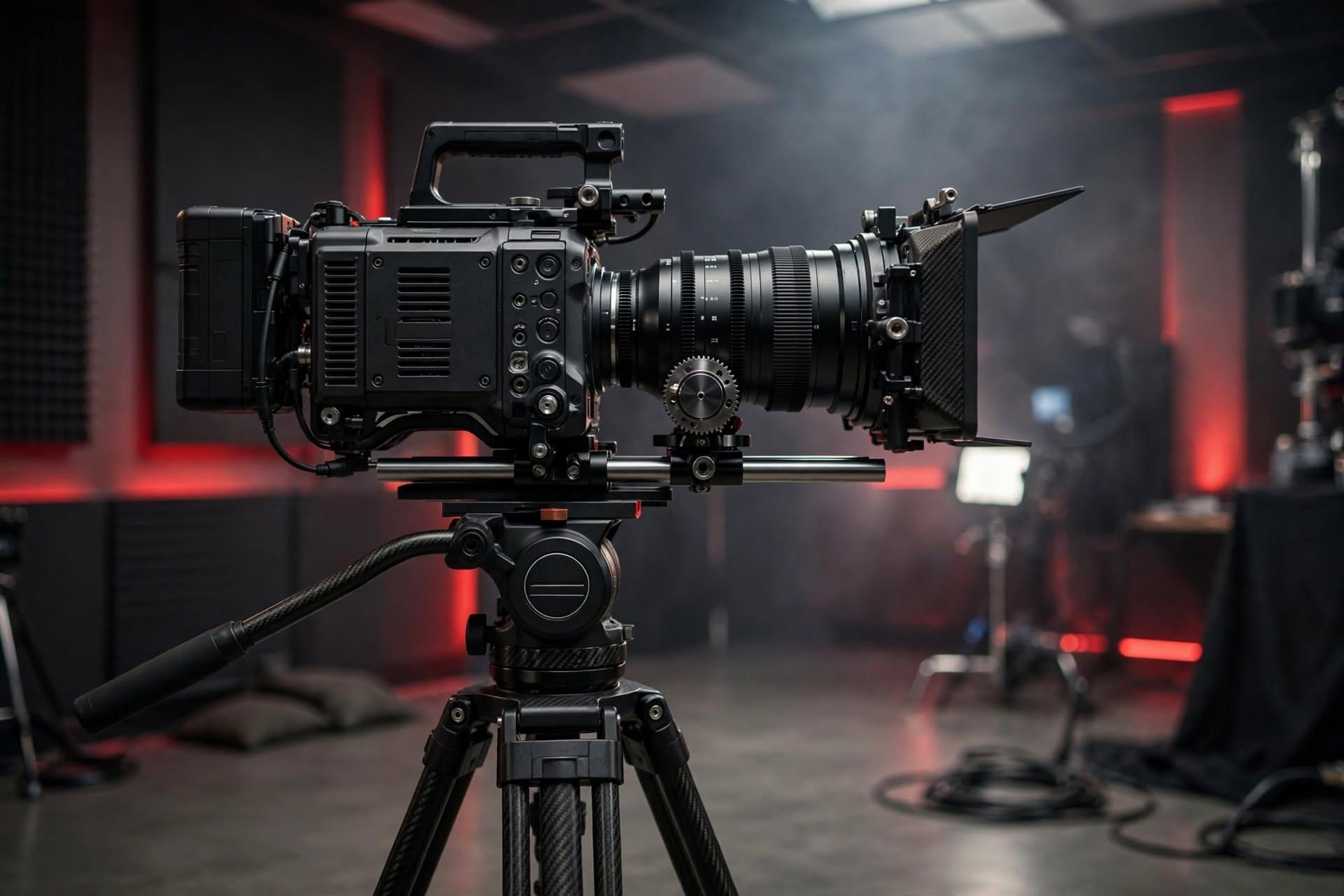
A high quality visual project begins with a clear understanding of its purpose. Businesses may need digital effects for an advertisement, animation for a product demonstration, or cinematic visuals for a brand campaign. When researching vfx studios in dubai, companies should first define what the finished content needs to communicate.
A creative brief should explain the target audience, central message, visual style, intended platforms, budget, and delivery date. It should also identify any technical or legal requirements that could affect production.
For example, a property developer may want to present a proposed residential project before construction is complete. The brief should explain which areas require three-dimensional visualisation, which details are confirmed, and how the final video will distinguish planned features from existing ones.
A clear brief helps the production team recommend suitable methods. It also reduces misunderstandings and gives the client a consistent basis for reviewing creative decisions.
2. Set a Realistic Budget and Schedule
Project costs depend on more than the length of the finished video. A short sequence with complex simulations may require more work than a longer film made from straightforward footage.
Important cost factors include modelling, animation, compositing, rendering, specialist software, talent, locations, sound, and revision requirements. Tight deadlines can also increase production pressure, especially when several departments depend on one another's work.
Businesses should request a proposal that explains the scope and major stages. The estimate should identify included deliverables, review rounds, additional charges, and any responsibilities assigned to the client.
A practical schedule allows time for research, pre-production, asset creation, filming where required, editing, feedback, and final quality checks. Approval deadlines should be agreed upon before production begins.
Keeping the schedule realistic helps protect quality. When time or budget is limited, the team can prioritise the shots that contribute most directly to the message rather than rushing every element.
3. Develop a Visual Plan Before Production
Once the brief is approved, the creative team can prepare storyboards, reference images, shot lists, and preliminary designs. These materials help everyone understand the planned sequence before detailed work begins.
For animation, early design decisions may include character appearance, product proportions, materials, lighting, and movement. For VFX, the plan may specify backgrounds, camera tracking, digital extensions, and objects that need to be removed or added.
The planning stage should answer several questions:
-
Which scenes are essential to the story?
-
What needs to be filmed, modelled, or animated?
-
Which visual details require client approval?
-
What references are needed to maintain consistency?
-
How will the final assets fit the selected delivery formats?
An early visual review can identify expensive ideas that do not add enough value. It also gives clients an opportunity to correct inaccurate product details or unsuitable creative choices before production advances.
4. Maintain Quality Through Review and Collaboration
Visual production usually involves several specialists. Directors, designers, animators, editors, and clients need a shared understanding of the project to keep the final result consistent.
Reviewing work in stages is more useful than waiting until the end. Early concept approval confirms the direction, asset reviews check designs, and shot reviews identify technical issues before final delivery.
Feedback should be specific and actionable. Instead of requesting a general improvement, a client might identify an incorrect reflection, an unclear label, inconsistent lighting, or movement that does not match the product's operation.
A structured review process can include:
-
Concept and storyboard approval.
-
Model, design, or asset approval.
-
Preliminary animation or compositing review.
-
Final visual and audio checks.
-
Approval of exported files and delivery specifications.
Clients should appoint a main decision-maker where possible. Conflicting feedback from several stakeholders can cause repeated revisions and delay completion.
Accurate source material is equally important. Product measurements, brand guidelines, approved claims, and reference photographs help creative teams avoid preventable errors.
5. Commercial Example: Marketing a New Property Development
Consider a developer preparing to introduce a residential project to prospective buyers. Construction is underway, but the company needs promotional material for an upcoming sales campaign.
The production team begins by collecting approved architectural plans, material references, location information, and the intended buyer profile. It then creates a storyboard showing the building exterior, selected interiors, shared facilities, and surrounding environment.
Three-dimensional animation can present the proposed property from different viewpoints. Motion graphics can identify selected facilities, while filmed footage can show the actual neighbourhood and existing infrastructure.
The project then moves through modelling, materials, lighting, animation, rendering, editing, and review. The developer checks important details against the approved plans before the video is published.
Possible deliverables include a main presentation film, short social media edits, and selected still images for digital advertisements. Each version can be designed for a different placement without changing the underlying facts.
This example shows how careful planning supports a consistent campaign. It does not guarantee sales; commercial results depend on the property, pricing, audience, and wider market conditions.
6. Choosing the Right Studio and Measuring the Result
Businesses should review portfolios, technical capabilities, communication standards, and project management practices before selecting a creative partner. Relevant examples provide a better basis for evaluation than impressive visuals that have little connection to the proposed work.
Ask how the studio manages revisions, protects project files, handles licensed assets, and prepares final exports. Confirm ownership and usage rights in writing, particularly when content will appear in paid advertising or multiple markets.
Companies exploring 3d animation studios in dubai should examine whether the studio can create the models, materials, movement, and visual detail their project requires. For live-action productions that need digital enhancements, they should also evaluate compositing and VFX capabilities.
Zaini Media presents animation and visual production services on its website. Prospective clients can review the available information and discuss the project scope before making a decision.
After publication, businesses should measure results against the original objective. Relevant indicators may include video completion, qualified enquiries, product-page visits, or campaign conversions. This information helps teams improve future content and allocate budgets more effectively.
7. Conclusion
Successful VFX and animation projects depend on clear briefs, realistic budgets, thoughtful visual planning, effective collaboration, and detailed quality checks. Businesses should choose creative techniques according to their communication needs rather than selecting effects simply because they appear impressive.
When evaluating vfx studios in dubai, clients should examine relevant work, agree on deliverables, and establish a practical approval process. 3d animation studios in dubai can support projects that require digital models, animated environments, product visualisation, or three-dimensional storytelling.
FAQs
1. What should a creative brief include?
It should explain the objective, audience, message, visual direction, budget, schedule, platforms, and required deliverables.
2. Why are storyboards useful?
They show the planned sequence before detailed production begins, helping clients review the idea and identify changes early.
3. How many revision rounds should a project include?
The number should be agreed upon in the proposal. It depends on project complexity, budget, and the studio's working process.
4. How can businesses judge the finished work?
They should assess visual consistency, factual accuracy, technical quality, audience suitability, and performance against the project's original goals.

 English
 Arabic
 French
 Spanish
 Portuguese
 Deutsch
 Dutch
 Italiano
 Russian
 Romaian
 Portuguese (Brazil)
 Greek
