
How to Start Teacher Training Courses in Pakistan
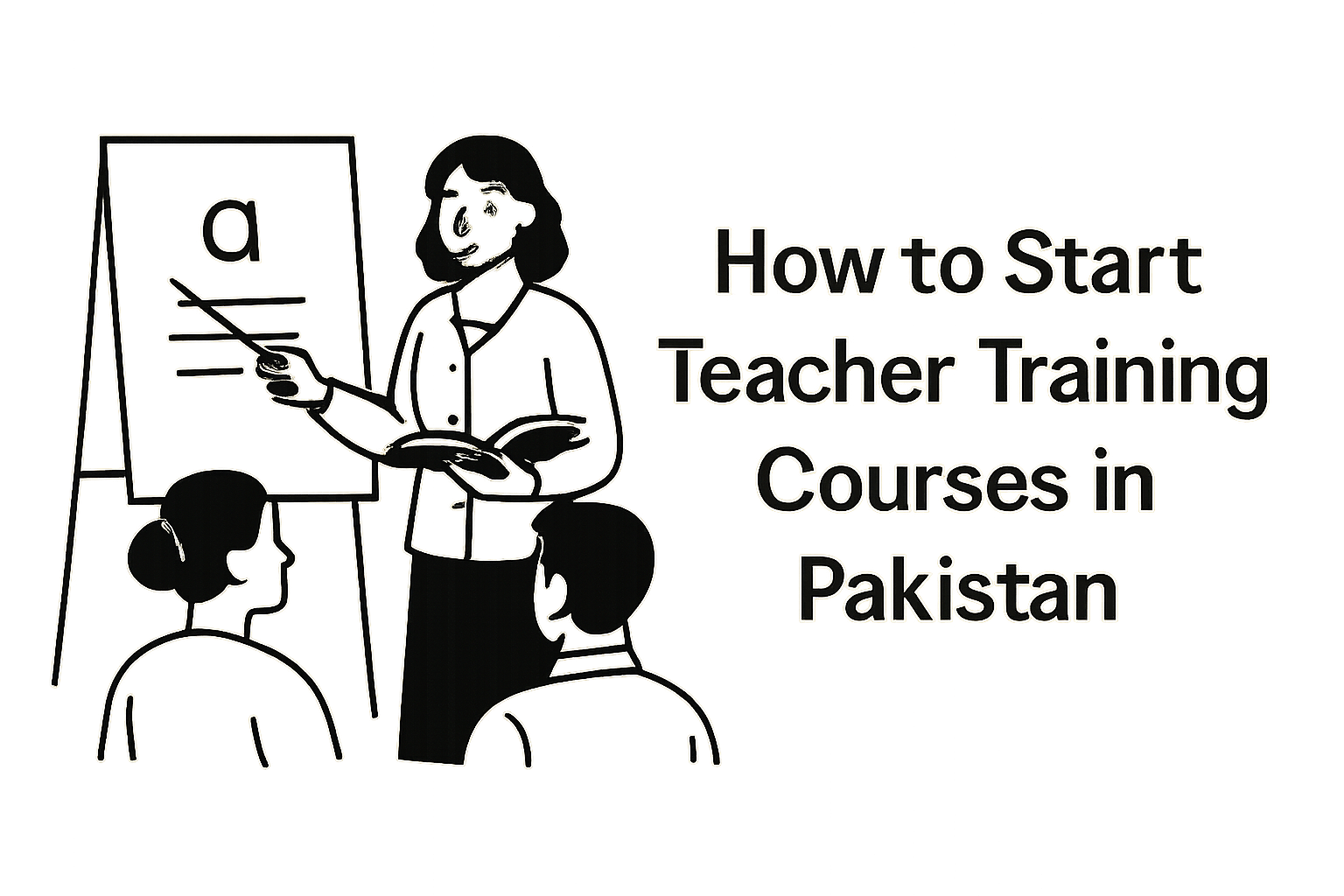
Teacher training courses in Pakistan offer a great way to build a successful teaching career. Do you dream of becoming a skilled teacher? The right training can help you reach your goal. These programs teach classroom skills, lesson planning, and modern teaching methods. They also help new and working teachers improve their knowledge. Today, many schools prefer teachers with professional teaching qualifications. Therefore, choosing the right course can improve your career options. Whether you are a fresh graduate or an experienced teacher, professional training can make a difference. This guide explains admission requirements, course options, teaching skills, and career opportunities in Pakistan.
Key Takeaways
- Teacher education programs help future teachers develop classroom management, lesson planning, and communication skills.
- Professional teaching qualifications can improve job opportunities in schools and educational institutions.
- Students can choose from teaching diplomas, B.Ed. programs, and professional development courses.
- Admission requirements depend on the institute, program level, and previous education.
- Practical teaching experience helps students become confident and effective educators.
How to Choose the Best Teacher Training Course in Pakistan
Choosing the right teaching program is an important step toward a successful career. First, check your education level and career goals.
Many students explore teacher training courses in Pakistan to develop professional teaching skills and learn modern education methods.
Before applying, compare course content, admission requirements, fees, and learning methods. Also, check the institute's recognition and reputation.
A good program should include practical learning, classroom activities, and guidance from experienced educators. These features can help you prepare for real teaching situations.
Understand Your Teaching Career Goals
Before selecting a program, decide which age group you want to teach. Some students prefer primary education, while others want to teach secondary classes.
Your career goals will help you select suitable qualifications. For example, an early childhood education course may suit future preschool teachers. Meanwhile, a B.Ed. program may support students who want broader school teaching opportunities.
What Are the Requirements for Teacher Training Courses?
Admission requirements vary across educational institutions in Pakistan. Some short teaching courses accept students with intermediate qualifications. However, advanced diplomas and postgraduate programs usually require higher education.
Students should always check the official eligibility criteria before applying. This helps them avoid delays and choose suitable programs.
Basic Eligibility Criteria for Teaching Programs
Most institutes consider a student's educational background before offering admission.
Common admission requirements may include:
- Educational certificates from a recognized institution.
- A valid CNIC or other accepted identification document.
- Recent passport-size photographs.
- Completed admission forms and supporting documents.
- Relevant academic qualifications for the selected program.
Some institutes may also conduct interviews or entry assessments. Therefore, contact the admission office to confirm the latest requirements.
Why Formal Education Matters for Future Teachers
Education builds the foundation of every successful teaching career. Teachers need subject knowledge, communication skills, and an understanding of student learning.
Formal Education provides structured learning through schools, colleges, and universities. It helps students gain recognized qualifications and essential academic knowledge.
Professional teacher education builds on this foundation. It teaches future educators how to explain lessons, assess progress, and support different learning needs.
As a result, trained teachers can create better learning experiences and help students improve their academic performance.
How Academic Learning Supports Teaching Skills
Academic learning helps teachers understand subjects and explain ideas clearly. It also develops reading, writing, and problem-solving skills.
However, subject knowledge alone does not make someone an effective teacher. Professional training adds practical classroom skills.
For example, teachers learn how to plan activities, manage student behavior, and assess learning. These abilities help create a positive and organized classroom environment.
Which Teacher Training Programs Are Available in Pakistan?
Pakistan offers several professional education programs for people interested in teaching. Each program serves different career goals and qualification levels.
Students can explore Bachelor of Education programs, teaching diplomas, early childhood education courses, and professional development workshops.
Some institutions also offer postgraduate qualifications in education leadership and management. These programs may suit experienced educators who want to develop leadership skills.
Before enrolling, review the course structure and confirm whether the qualification meets your professional needs.
Bachelor of Education and Teaching Diplomas
A Bachelor of Education, commonly called B.Ed., helps students develop professional teaching knowledge.
The program may cover educational psychology, lesson planning, teaching methods, and classroom assessment.
Teaching diploma programs can provide focused training in selected areas of education. Their duration and eligibility requirements depend on the institution.
Students should compare qualifications carefully because different teaching jobs may require specific degrees, professional training, or recognized credentials.
Education Leadership and Management Programs
Education leadership programs support teachers who want to take on greater responsibilities.
These courses may cover school administration, team management, educational planning, and academic improvement.
Ali Institute of Education offers a Post Graduate Diploma in Education Leadership and Management for individuals interested in developing education management skills.
Prospective students should review the official program details, admission criteria, and course structure before applying.
How to Apply for Professional Teacher Education Programs
Applying for a teaching program becomes easier when you follow a clear process.
First, research institutions that offer your preferred qualification. Next, compare admission requirements and course details.
After selecting a program, visit the institute's official website or admission office. Complete the application form and submit the required documents.
Finally, follow the institute's instructions regarding admission confirmation, fees, and enrollment deadlines.
Check Course Details Before Applying
Every teacher education program has different features. Some focus on practical classroom skills, while others cover education research or school management.
Check the course duration, class schedule, assessment methods, and learning outcomes.
Also, ask whether the program includes classroom observations, teaching practice, or supervised activities.
These details matter because practical experience helps future teachers understand daily classroom challenges and develop useful teaching strategies.
What Skills Can You Learn From Teacher Training Programs?
Professional teacher preparation helps students develop skills they can use throughout their careers.
One important skill is lesson planning. Teachers learn how to set learning goals and prepare suitable classroom activities.
They also develop communication, assessment, and classroom management skills.
In addition, many modern programs introduce digital teaching tools. These tools can help educators prepare lessons, share learning materials, and support student participation.
Classroom Management and Lesson Planning Skills
Classroom management helps teachers maintain a safe and productive learning environment.
During professional training, students may learn how to create classroom rules, manage learning time, and encourage positive behavior.
Lesson planning is equally important. A clear plan helps teachers explain topics in a logical order.
Together, these skills make lessons easier to follow and help students stay focused on learning.
Communication and Digital Teaching Skills
Good teachers explain ideas in simple language. They also listen carefully and respond to student questions.
Teacher development courses can improve speaking, listening, and presentation skills.
Today, digital learning skills are also useful. Teachers may use presentations, educational videos, and online learning platforms.
However, technology works best when teachers select tools that match student needs and lesson goals.
How Much Do Teacher Training Courses Cost in Pakistan?
The cost of teacher education depends on the institute, qualification, and course duration.
Short professional development workshops may cost less than degree or postgraduate diploma programs.
Public and private institutions may also follow different fee structures. Therefore, students should avoid choosing a program based only on price.
Instead, compare the curriculum, teaching support, qualification value, and practical learning opportunities before making a decision.
Factors That Affect Teacher Training Course Fees
Several factors can influence the total cost of professional teaching education.
Course length is one important factor. Longer programs often involve more classes, assessments, and academic resources.
Other factors include institute facilities, study materials, and delivery methods.
Before enrolling, request the latest fee information directly from the institution. Also, ask about installment options or financial support if available.
What Career Opportunities Follow Teacher Training Courses?
Professional teaching qualifications can support different career paths in Pakistan.
Graduates may explore opportunities in private schools, public education, early childhood centers, and educational organizations.
However, employment depends on qualifications, experience, vacancies, and employer requirements.
Some educators also pursue further studies to develop skills in education management, curriculum planning, or academic leadership.
Continuous professional development can help teachers stay informed about new teaching practices and changing classroom needs.
Teaching Jobs and Professional Career Growth
Many trained educators begin their careers as classroom teachers.
With experience and suitable qualifications, they may apply for roles such as subject coordinator, academic supervisor, or school administrator.
Some professionals also work in educational support, teacher mentoring, or curriculum development.
These opportunities vary by institution. Therefore, teachers should continue building practical experience, improving their skills, and meeting the requirements of their preferred positions.
Why Choose Ali Institute of Education for Teacher Development?
Ali Institute of Education supports professional learning and development in the education sector.
Its Post Graduate Diploma in Education Leadership and Management offers an option for educators interested in strengthening their understanding of educational leadership.
Students considering this program should explore its learning objectives, eligibility requirements, and academic structure.
Choosing an institute involves more than selecting a qualification. Learners should also consider how well a program supports their long-term professional goals.
Build Your Future With Professional Education
Teaching requires patience, knowledge, and a commitment to continuous learning.
Professional development helps educators reflect on their methods and improve classroom practices.
A suitable training program can also introduce new approaches to student assessment, teaching strategies, and education leadership.
For aspiring teachers and working professionals, developing these skills can be an important step toward long-term career growth.
Frequently Asked Questions About Teacher Training Courses
1. How can I start teacher training courses in Pakistan?
Choose a recognized institute and review its available programs. Check the eligibility requirements, course duration, and fees. Next, complete the admission form and submit your documents. After admission confirmation, follow the institute's enrollment process.
2. What qualifications do I need for teacher training?
Qualifications depend on the selected program. Some short courses accept intermediate-level students. However, degree programs and postgraduate diplomas require higher academic qualifications. Always check the institute's official admission criteria before submitting your application.
3. Which teacher training course is best in Pakistan?
The best course depends on your education and career goals. B.Ed. programs support school teaching careers, while specialized diplomas develop focused skills. Education leadership programs may suit experienced teachers interested in management positions.
4. Can I become a teacher after completing a training course?
A training course can improve your teaching skills and support job applications. However, schools may require specific degrees, recognized qualifications, or teaching experience. Check the requirements of your preferred employer before choosing a program.
5. Why are professional teaching courses important?
Professional courses help teachers improve lesson planning, classroom management, and student assessment. They also introduce modern teaching methods. These skills can improve classroom learning and help educators prepare for new professional responsibilities.
Conclusion
Starting a teaching career requires the right education, practical skills, and professional guidance. A suitable training program can help you learn modern teaching methods and understand classroom responsibilities.
Before enrolling, compare qualifications, admission requirements, course content, and career opportunities. Choose a program that matches your educational background and future goals.
For educators seeking professional development, Ali Institute of Education provides opportunities to explore education leadership and management studies.
If you are looking for teacher training in Lahore, visit Ali Institute of Education to explore its available programs and admission information.
Take the next step toward developing your teaching skills and building a rewarding career in education.

 English
 Arabic
 French
 Spanish
 Portuguese
 Deutsch
 Turkish
 Dutch
 Italiano
 Russian
 Portuguese (Brazil)
 Greek
