
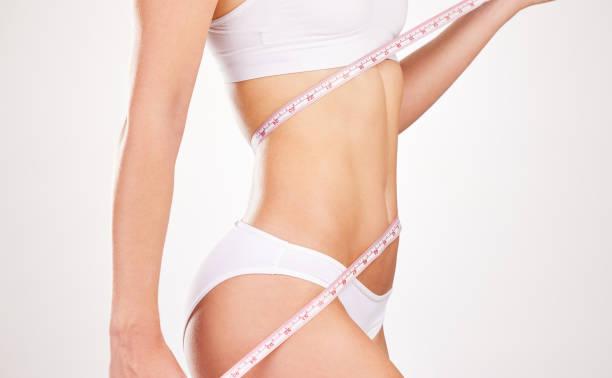
Liposuction is often described as minimally invasive, and compared with many surgeries, it is. But it still involves incisions, however small, and those incisions leave scars. Liposuction in Riyadh Most are tiny and fade to near invisibility, but how they heal depends partly on your surgeon's technique and partly on what you do during the months that follow. If you've had or are planning Liposuction in Riyadh, here's what normal scarring looks like and how to care for your skin.
Why Liposuction Scars Happen
The Incisions Required
Liposuction requires small incisions, typically a few millimetres long, to insert the cannula. These are usually placed in hidden locations such as natural creases or skin folds.
Why Scars Form
Any incision triggers the body's repair response. Collagen is laid down to close the wound, creating a scar that differs from surrounding skin.
Why Placement Matters
Scars placed in natural creases or hidden areas are far less noticeable than those on flat, exposed skin.
The Good News
Most liposuction scars are small and fade considerably over six to twelve months, becoming barely visible in many patients.
What Normal Scarring Looks Like
Immediately After Surgery
Incisions are small, red, and may have a suture or be left to heal. Some drainage is normal in the first day or two.
Weeks One to Two
Incisions close. Redness remains. Scars may feel firm or slightly raised.
Weeks Three to Six
Scars begin maturing. Redness fades gradually. They may feel firm and slightly raised.
Months Two to Three
Scars flatten and soften. Colour shifts from red to pink.
Months Four to Six
Continued improvement. Scars become less raised and more pliable.
Months Six to Twelve
Significant fading. Most scars become thin, pale, and soft.
Year One to Two
Scars reach maturity. They remain permanent but are typically inconspicuous.
What Affects Scar Appearance
Genetics
Some people form more noticeable scars than others.
Skin Tone
Darker skin tones may experience hyperpigmentation along scars.
Age
Younger skin heals faster but may form more active scars initially.
Smoking
Significantly worsens scarring and healing.
Nutrition
Protein, vitamin C, and zinc support tissue repair.
Incision Care
Proper wound care during early healing reduces complications.
Sun Exposure
UV exposure darkens and thickens scars.
Surgical Technique
How incisions were placed and closed affects final appearance.
Number of Incisions
More incisions mean more scars, though each is typically small.
How to Care for Scars
Follow Wound Care Instructions
Your surgeon will provide specific guidance on cleaning and protecting incisions. Following this precisely improves healing.
Keep Incisions Clean and Dry
Avoid soaking in baths, pools, or hot tubs until cleared. Showers are usually fine after the first day or two.
Avoid Tension on Incisions
Straining and vigorous activity increase tension. Follow activity restrictions carefully.
Don't Pick or Scratch
Picking at scabs or sutures increases infection risk and worsens scarring.
Protect From Sun
UV exposure darkens scars and impairs healing. Keep incisions covered or use sunscreen once cleared.
Use Silicone Once Cleared
Silicone gel or sheets are well supported for scar treatment. Apply once incisions are fully closed.
Massage Gently Once Cleared
Gentle massage can soften scar tissue and improve pliability.
Moisturise Regularly
Keeping the scar hydrated supports healing and improves appearance.
What Not to Do
Don't Expose Scars to Sun
UV exposure is one of the biggest factors in how visible scars remain.
Don't Pick or Scratch
This increases infection risk and worsens scarring.
Don't Use Harsh Products Early
Actives and exfoliants can irritate healing tissue.
Don't Skip Compression Garments
Compression supports healing and reduces complications that can affect scarring.
Don't Smoke
Smoking impairs circulation and healing, worsening scar appearance.
Don't Rush the Process
Scars take six to twelve months to mature. Patience is essential.
Don't Compare to Others
Everyone heals differently. Your scars will follow their own timeline.
When to Seek Advice
Signs of Infection
Fever, spreading redness, increasing pain, or unusual discharge require prompt medical attention.
Wound Separation
If incisions open or edges separate, contact your surgeon.
Hypertrophic or Keloid Scarring
Raised, thick, or expanding scars may need treatment. Options include steroid injections, silicone, or laser.
Persistent Redness or Irritation
Scars that remain red, painful, or irritated beyond expected timelines should be assessed.
Concerns About Appearance
If you're unhappy with scar appearance after a year, discuss options with your surgeon.
Minimising Scar Visibility
Choose an Experienced Surgeon
Incision placement and closure technique significantly affect scarring.
Discuss Incision Placement
Ask where incisions will be placed and whether they'll be hidden in natural creases.
Follow Aftercare Precisely
Proper wound care during early healing reduces complications.
Use Sun Protection
Daily sunscreen on exposed scars prevents darkening.
Be Patient
Scars improve over months. Most become inconspicuous.
Consider Scar Treatment Early
Silicone and massage started once cleared improve final appearance.
Questions to Ask During Consultation
About Incisions
"Where will incisions be placed, and how many will there be?"
About Scarring
"How do you minimise scarring?"
About Care
"What should I do to care for incisions?"
About Treatment
"When can I start scar treatment?"
About Warning Signs
"What symptoms should prompt me to contact you?"
Book an Appointment Consultation Clinic
For those seeking expert guidance and customized aesthetic care, you can book an appointment consultation at the Enfield Royal Riyadh. A personalised consultation provides scar care guidance tailored to your procedure and skin type.
FAQs
How visible are liposuction scars?
Most are small and fade considerably over six to twelve months, becoming barely visible in many patients.
Where are liposuction incisions placed?
Typically in hidden locations such as natural creases, skin folds, or areas covered by clothing.
How long do liposuction scars take to fade?
Scars mature over six to twelve months, with continued improvement up to two years.
What helps liposuction scars heal faster?
Silicone gel, scar massage once cleared, hydration, sun protection, and no smoking all support better healing.
Can liposuction scars be revised?
Yes, if scarring is problematic. Scar revision is possible but carries its own risks. People researching the cost of liposuction in saudi arabia should discuss revision policies during consultation. A Liposuction in Riyadh consultation should include honest discussion of scarring and aftercare.

 English
 Arabic
 French
 Spanish
 Portuguese
 Deutsch
 Turkish
 Dutch
 Italiano
 Romaian
 Portuguese (Brazil)
 Greek
