
A Complete Guide to Finding the Best Liposuction Options
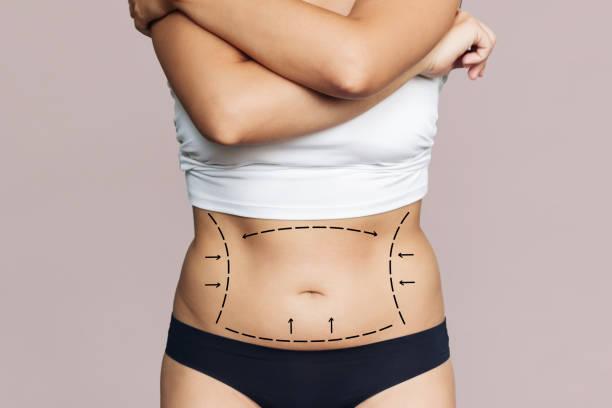
Liposuction is a body-contouring procedure designed to remove stubborn fat deposits from specific areas of the body. It may help people achieve more defined contours when diet and exercise have not sufficiently changed certain areas. However, choosing an appropriate treatment requires understanding the available techniques, personal health considerations, and expected outcomes. For individuals researching liposuction in riyadh, learning how different options work can make it easier to prepare for a consultation and make an informed decision.
What Is Liposuction and Who May Benefit?
Liposuction is a surgical procedure that removes localized fat through small incisions using a thin tube called a cannula. It is commonly performed on areas such as the abdomen, hips, thighs, upper arms, back, and beneath the chin.
Understanding the Purpose of Liposuction
Liposuction focuses on body contouring rather than overall weight loss. It is not a treatment for obesity and does not replace regular physical activity or a balanced diet. People who are close to a stable, healthy weight and have localized fat deposits may be suitable candidates.
The procedure can improve body proportions, but results depend on factors such as fat distribution, skin elasticity, and healing. It cannot guarantee perfectly smooth contours or eliminate cellulite.
Who Should Consider a Medical Assessment?
A qualified surgeon should assess your overall health, medical history, skin condition, and treatment goals before recommending surgery. Certain health conditions, medications, or healing concerns may affect whether liposuction is appropriate.
People with significant loose skin may need to discuss other options because removing fat alone does not reliably tighten excess skin.
Explore the Main Liposuction Options
Different liposuction techniques use different methods to loosen or remove fat. The most suitable approach depends on the treatment area, the amount of fat involved, and the surgeon's experience.
Traditional Suction-Assisted Liposuction
Traditional liposuction uses a cannula connected to suction to remove fat through small incisions. It is an established technique that can address several body areas.
The procedure may involve bruising, swelling, soreness, and temporary numbness. As with any surgery, risks can include infection, bleeding, fluid accumulation, contour irregularities, and anesthesia-related complications.
Power-Assisted Liposuction
Power-assisted liposuction uses a mechanically moving cannula to help loosen fat tissue. It may be useful for selected treatment areas and certain procedures involving more fibrous tissue.
The technology does not automatically produce better results for every patient. Careful technique and appropriate patient selection remain important.
Ultrasound-Assisted Liposuction
Ultrasound-assisted liposuction uses ultrasonic energy to help disrupt fat before it is removed. It may be considered for selected areas where the tissue characteristics make this approach useful.
Because ultrasound energy generates heat, the technique carries a risk of thermal injury if used improperly. A surgeon should explain its potential advantages and limitations for your situation.
Laser-Assisted Liposuction
Laser-assisted liposuction uses laser energy to affect fat tissue before removal. Some systems may also produce a degree of tissue contraction, but the amount of skin tightening varies and should not be guaranteed.
It is important to understand that laser-assisted liposuction is still a medical procedure with potential risks. The name of the technology alone does not determine its safety or suitability.
How to Choose the Right Treatment for Your Body
Selecting a suitable procedure begins with understanding your goals and the characteristics of the area being treated.
Consider the Treatment Area
Different body areas require different planning. Abdominal contouring may involve a different approach from treating the upper arms, thighs, or chin. The surgeon will assess fat distribution, access to the treatment area, and the surrounding tissues before recommending a technique.
If you want to address several areas, ask whether treatment should be performed in one procedure or staged across separate operations.
Evaluate Skin Elasticity
Skin elasticity influences how well the skin adapts after fat removal. People with good elasticity may achieve smoother contours, while those with substantial loose skin may experience persistent sagging.
A surgeon can explain whether liposuction alone is likely to meet your goals or whether another procedure that addresses excess skin should be considered.
Set Realistic Expectations
Results become clearer as postoperative swelling subsides. Liposuction can change body contours, but it cannot guarantee exact measurements, perfect symmetry, or a specific appearance.
Maintaining a stable weight after recovery can help preserve the results. Significant weight changes may affect the treated areas and overall body shape.
Assess Safety and Recovery Requirements
Liposuction requires appropriate medical evaluation, surgical planning, and postoperative care. Understanding recovery needs is just as important as comparing the available techniques.
Know What Recovery Involves
Bruising, swelling, tenderness, and temporary numbness are common after surgery. Your recovery timeline will depend on the treatment area, extent of the procedure, individual healing, and any additional procedures performed.
Your surgeon may recommend compression garments, activity restrictions, and follow-up visits. Follow the specific instructions provided and do not resume strenuous exercise until you receive clearance.
Seek urgent medical attention for symptoms such as chest pain, difficulty breathing, fainting, or sudden significant swelling. Contact your surgical team promptly if you develop fever, worsening pain, spreading redness, or unusual drainage.
Choose a Qualified Surgeon
Verify that the surgeon has appropriate specialist qualifications and experience in liposuction. Ask about the facility, anesthesia arrangements, emergency protocols, postoperative support, and how complications are managed.
A thorough consultation should cover potential benefits, risks, alternatives, and limitations without guaranteeing results.
Questions to Ask Before Choosing Liposuction
Before making a decision, consider asking:
-
Which technique is appropriate for my body and why?
-
What results are realistic for my treatment area?
-
What are the main risks in my individual case?
-
How long might recovery take, and what help will I need?
-
What follow-up care will be provided?
-
Could loose skin or another concern affect my results?
For those researching Liposuction in Riyadh, these questions can help make consultations more productive and support informed decisions about treatment options.
Book an Appointment at Royal Clinic Saudia
If you are considering body contouring, Royal Clinic Saudia can help you explore liposuction options and understand the factors involved in treatment planning. Arrange a consultation to discuss your goals, medical history, skin elasticity, and recovery expectations. Professional guidance about Liposuction in Riyadh can help you evaluate suitable options and understand their potential benefits, limitations, and risks before proceeding.

 Arabic
 French
 Spanish
 Portuguese
 Deutsch
 Turkish
 Dutch
 Italiano
 Russian
 Romaian
 Portuguese (Brazil)
 Greek
