
Understanding the Science Behind Laser Tattoo Removal
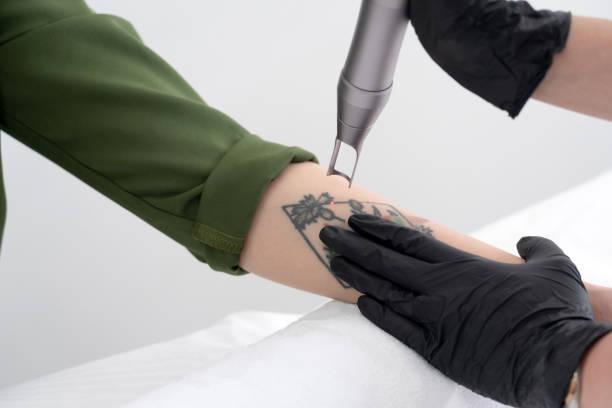
Tattoo ink can remain in the skin for years because pigment particles are difficult for the body to break down and eliminate naturally. Advances in laser technology have made it possible to target these particles and gradually fade unwanted tattoos without surgically removing the surrounding skin. For individuals considering tattoo removal riyadh, understanding the science behind laser energy, pigment fragmentation, and the body's natural clearing process can help explain why treatments require multiple sessions and why results vary from person to person.
How Does Laser Tattoo Removal Work?
Laser tattoo removal uses concentrated pulses of light energy to target tattoo pigments within the skin. The laser's wavelength and pulse duration are selected according to the tattoo's colors, depth, and other characteristics, as well as the patient's skin type.
The Role of Laser Energy
When a suitable laser pulse reaches the tattoo, the ink absorbs part of its energy. This interaction creates a rapid effect that helps break larger pigment particles into smaller fragments. The process is designed to target tattoo ink while limiting unnecessary damage to surrounding tissue.
Different pigments absorb different wavelengths of light. As a result, one laser setting may work well for black ink but be less effective for certain green, yellow, or red pigments. Treatment planning therefore requires an assessment of the tattoo rather than using the same settings for everyone.
The Body's Natural Clearing Process
After laser treatment, the fragmented pigment is gradually processed by the body's immune system and other natural clearance mechanisms. This process takes time, which is why a tattoo generally fades over several weeks rather than disappearing immediately.
The skin also needs time to recover after each session. Spacing treatments appropriately allows the practitioner to assess healing and determine whether further treatment is suitable.
The Science of Selective Photothermolysis
Selective photothermolysis is an important principle in many laser treatments. It involves selecting a wavelength and pulse duration that allow a target to absorb energy while helping limit the effect on surrounding tissue.
Why Wavelength Matters
A laser's wavelength influences which tattoo pigments absorb its energy most effectively. Black ink absorbs a broad range of wavelengths and often responds well to commonly used tattoo-removal lasers. Other colors may require different wavelengths because their light-absorption characteristics differ.
Skin pigment, particularly melanin, can also absorb laser energy. Choosing suitable settings is therefore important to reduce the risk of burns and unwanted pigmentation changes, especially in darker skin tones.
Why Pulse Duration Matters
Tattoo-removal lasers deliver energy in very short pulses. Q-switched systems commonly use nanosecond pulses, while picosecond systems deliver pulses measured in trillionths of a second.
These brief pulses can produce a rapid photoacoustic effect that helps fragment pigment particles. The response depends on the device, wavelength, energy settings, and ink characteristics, so no single pulse duration is ideal for every tattoo.
Different Laser Technologies Used for Tattoo Removal
Several laser technologies are used to target tattoo pigment. The most appropriate option depends on the tattoo's colors, the patient's skin characteristics, and the practitioner's assessment.
Q-Switched Lasers
Q-switched lasers release high-energy pulses over extremely short periods. Different wavelengths can be selected to target various tattoo colors, making these systems useful for many black and colored tattoos.
The number of treatments required depends on ink density, pigment depth, tattoo age, and individual response. Some colors may fade more slowly than others, even when the treatment approach is appropriate.
Picosecond Lasers
Picosecond lasers deliver pulses that are shorter than those of conventional nanosecond systems. They can produce strong photoacoustic effects that fragment pigment into smaller particles.
These systems may improve fading for certain tattoos, including some difficult-to-treat colors. However, outcomes depend on the specific laser and tattoo, and picosecond treatment does not guarantee complete removal or fewer sessions for every patient.
Why Tattoo Colors Respond Differently
Tattoo ink contains pigments with different chemical and optical properties. These differences influence how much laser energy is absorbed and how readily the pigment can be fragmented.
Black and Dark Inks
Black ink often responds well because it absorbs a broad range of laser wavelengths. Dark blue pigments may also respond favorably to suitable treatment.
However, ink density, depth, and the type of pigment still affect the outcome. Even a black tattoo may require numerous sessions to fade substantially.
Bright and Mixed Colors
Green, turquoise, yellow, and some other pigments can be more difficult to remove because they absorb certain wavelengths less effectively. Multicolored tattoos may therefore need a combination of wavelengths or different treatment approaches over time.
Some pigments may darken or change color after laser exposure. A practitioner should explain these possibilities and may recommend a test spot when appropriate.
Factors That Influence Treatment Results
Laser tattoo removal does not produce identical results for everyone. The tattoo's characteristics and the body's healing response both influence how much fading occurs.
Tattoo Size, Depth, and Age
Large tattoos generally require more time to treat than small designs. Professional tattoos often contain dense pigment deposited at relatively consistent depths, while amateur tattoos may have uneven pigment distribution.
Older tattoos may have faded naturally, but age alone does not predict success. The composition and depth of the ink remain important factors.
Skin Tone and Tattoo Location
Skin tone affects laser selection because natural melanin may compete with tattoo pigment for laser energy. Careful settings and suitable technology help reduce the risk of pigmentation changes.
Tattoo location also matters. Areas with less effective circulation, such as the hands and feet, may clear pigment more slowly than some other parts of the body.
What Happens During and After Treatment?
Before treatment, the practitioner assesses the tattoo, reviews medical history, and discusses expected results and possible side effects. Protective eyewear is used, and the laser is applied in controlled pulses. Patients may feel snapping sensations, warmth, or temporary discomfort.
Afterward, redness, swelling, tenderness, blistering, or scabbing may occur. These effects should be managed according to the practitioner's aftercare instructions. Patients should avoid picking the treated area and protect it from excessive sun exposure.
Potential complications include infection, scarring, and temporary or persistent changes in skin pigmentation. A qualified practitioner can explain the risks and determine whether treatment is appropriate.
Setting Realistic Expectations for Tattoo Fading
Complete tattoo removal cannot be guaranteed. Some tattoos fade significantly, while others leave residual pigment or a faint outline. Multiple sessions are usually needed, with intervals that allow the skin to heal and the body to clear fragmented ink.
Individuals exploring Laser Tattoo Removal in Riyadh should discuss their tattoo's color, age, size, and location during a consultation. Understanding these factors helps establish realistic expectations and an individualized treatment plan.
Book an Appointment at Royal Clinic Saudia
Understanding the science behind laser tattoo removal can help you make a more informed decision about treating unwanted ink. At Royal Clinic Saudia, patients can discuss their tattoo-removal goals, learn about appropriate laser options, and receive guidance on treatment planning and aftercare. If you are considering Laser Tattoo Removal in Riyadh, a professional consultation can help you understand the likely response and the steps involved in treatment.

 English
 Arabic
 French
 Spanish
 Portuguese
 Deutsch
 Turkish
 Dutch
 Italiano
 Russian
 Romaian
 Portuguese (Brazil)
