
How Long Does Roll Roofing Last? A 2026 Guide for Homeowners
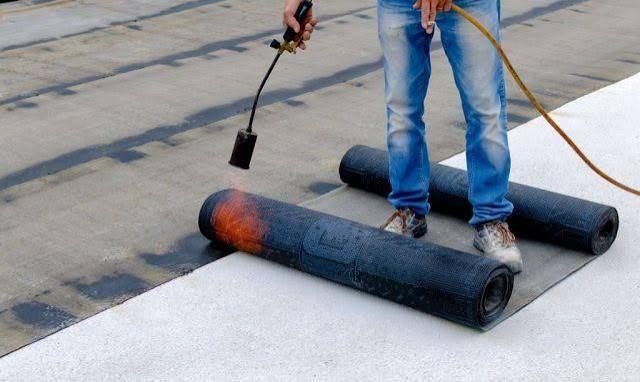
Roll roofing is a popular option for homeowners looking for an affordable roofing material for garages, sheds, porches, carports, and other smaller structures. Its relatively simple installation and lower upfront cost make it appealing for certain roofing projects. However, before choosing this material, homeowners should understand its expected lifespan, maintenance needs, and limitations.
So, how long does roll roofing last? The answer depends on the type of material, installation quality, weather exposure, roof slope, drainage, and ongoing maintenance. Understanding these factors can help homeowners make informed decisions about roof repairs, replacement, and long-term property protection.
What Is Roll Roofing?
Roll roofing is a flexible roofing material supplied in large rolls rather than individual shingles. Many residential products use asphalt-based materials reinforced with fiberglass or other components. Depending on the product, the surface may include mineral granules that help protect the roofing material.
Roll roofing is commonly used on smaller structures and certain low-complexity roofing projects. It can be convenient when a homeowner needs a relatively economical roofing solution, but not every roll roofing product is suitable for every roof.
Before installation, check the manufacturer's instructions for permitted roof slopes, fastening methods, underlayment requirements, and weather limitations. For example, GAF identifies its Mineral Guard residential roll roofing as an option for certain small structures, including porches, garages, carports, and sheds.
How Long Does Roll Roofing Last on Average?
In many residential applications, roll roofing may last approximately 5 to 10 years, although actual service life can be shorter or longer depending on the material and installation conditions. This is a general estimate, not a guaranteed lifespan for every product.
Several factors can influence how long a roll roof remains effective:
-
Material quality: Product composition, reinforcement, thickness, and surface protection affect durability.
-
Installation quality: Poor fastening, improperly sealed seams, or unsuitable installation conditions can contribute to early failure.
-
Weather exposure: Intense sunlight, heavy rain, strong winds, and temperature changes can accelerate deterioration.
-
Roof drainage: Water that remains on the surface can increase the risk of leaks and material damage.
-
Maintenance: Regular visual checks and timely repairs can help identify developing problems before they become more serious.
Homeowners should also distinguish between a product warranty and its expected service life. A warranty describes specific coverage under stated conditions; it does not guarantee that a roof will remain leak-free for the entire period.
What Factors Shorten Roll Roofing's Lifespan?
Even a properly selected roofing product can deteriorate prematurely when exposed to unfavorable conditions. Knowing the common causes of damage helps homeowners recognize when maintenance or replacement may be necessary.
1. Prolonged Sun Exposure
Ultraviolet radiation and repeated heating can gradually affect asphalt-based roofing materials. Over time, the surface may become brittle, crack, or lose protective granules.
In warm climates such as South Florida, roofs can experience significant sun exposure throughout the year. Periodic inspections can help identify visible deterioration before water enters the structure.
2. Heavy Rain and Poor Drainage
Roll roofing needs to be installed on a roof configuration approved for the specific product. Inadequate drainage, clogged gutters, or areas where water collects can contribute to premature wear.
Standing water should not be ignored. It may indicate a drainage issue, an uneven roof surface, or another underlying concern that needs professional evaluation.
3. Strong Winds and Storm Damage
High winds can loosen roofing edges, disturb fasteners, and damage seams. Once part of the material begins lifting, wind-driven rain may enter beneath the roof covering.
After a significant storm, look for visible changes from a safe location. Avoid climbing onto a potentially damaged roof, particularly when the surface is wet or unstable.
4. Poor Installation or Previous Repairs
Incorrect installation can leave vulnerable seams, exposed fasteners, or poorly secured edges. Temporary patching may also fail to address the underlying source of a leak.
When repairs are repeatedly needed in the same location, homeowners should consider whether a larger section of the roofing system has reached the end of its useful life.
Warning Signs That Roll Roofing Needs Repair or Replacement
A roll roof may show several signs of deterioration as it ages. Recognizing these warning signs early can help homeowners plan repairs and reduce the chance of interior water damage.
Look for the following issues:
-
Cracks, splits, or tears in the roofing surface.
-
Edges that are lifting, curling, or separating.
-
Open or deteriorated seams.
-
Missing or noticeably worn surface granules.
-
Water stains on ceilings or interior walls beneath the roof.
-
Damp insulation, musty odors, or visible moisture inside the structure.
-
Repeated leaks despite previous repairs.
-
Sagging areas or evidence of persistent water accumulation.
Not every visible defect means the entire roof must be replaced. A qualified professional can assess the affected area and determine whether a localized repair is reasonable or whether widespread deterioration makes replacement the better long-term option.
How Can You Extend the Life of Roll Roofing?
Although no maintenance routine can eliminate normal aging, a few practical steps can help protect a roll roof.
Schedule regular visual checks. Examine the roof from the ground when possible, and arrange a professional assessment if you notice damage or suspect a leak.
Keep drainage paths clear. Maintain gutters and downspouts so rainwater can drain away from the structure. Address recurring ponding or drainage problems rather than treating them as normal.
Repair minor problems promptly. Damaged seams and small openings can allow water to penetrate the roof assembly. Have repairs completed using materials and methods compatible with the existing roofing system.
Trim nearby vegetation. Overhanging branches can scrape the roof, drop debris, and create additional maintenance concerns.
Keep records of repairs. Document installation dates, product information, maintenance work, and previous leaks. These records can help a roofing professional evaluate the roof's condition and remaining service life.
Avoid walking on roll roofing unless a qualified professional confirms that doing so is safe. Some roofing surfaces can be slippery, fragile, or damaged by unnecessary foot traffic.
Is Roll Roofing a Good Choice for Florida Homes?
Roll roofing can be suitable for certain smaller structures, but the right choice depends on the roof's design, intended use, local requirements, and the manufacturer's specifications.
Florida homeowners should pay particular attention to wind exposure, intense sunlight, heavy rainfall, and storm-related damage. They should also confirm that the selected roofing material is appropriate for the roof slope and installation location.
For a main residence, compare roll roofing with other suitable roofing systems based on expected durability, maintenance requirements, installation cost, and warranty coverage. The cheapest initial option is not always the most economical over the life of the roof.
If a property already has roll roofing, its age alone should not determine whether it needs replacement. Visible condition, leak history, installation quality, and any underlying damage are also important considerations.
When Should You Schedule a Roof Inspection?
A roof inspection can be helpful when a roll roof is approaching the end of its expected service life, showing signs of deterioration, or developing recurring leaks. An assessment may also be useful before purchasing a property or planning roofing repairs.
A professional inspection can help identify visible defects, drainage concerns, signs of water intrusion, and areas that may require further evaluation. However, an inspection is not a guarantee against future leaks, and concealed conditions may require additional investigation.
For homeowners in Central and South Florida, arranging an assessment after significant storm damage or when warning signs appear can support better maintenance decisions. Guardian Angel Inspections provides property inspection services that can help homeowners understand the visible condition of their property.
Conclusion
Understanding how long does roll roofing last can help homeowners plan maintenance, budget for replacement, and recognize potential roofing problems before they lead to more extensive damage.
Although roll roofing may provide several years of service in suitable applications, its longevity depends on the product, installation, climate, drainage, and maintenance. Watch for cracking, lifting edges, damaged seams, and signs of moisture inside the structure.
When a roof begins showing repeated problems, a professional assessment can help determine whether repairs are sufficient or replacement should be considered. Taking action early can help protect the building and support more informed property maintenance decisions.

 English
 Arabic
 Spanish
 Portuguese
 Deutsch
 Turkish
 Dutch
 Italiano
 Russian
 Romaian
 Portuguese (Brazil)
 Greek
