
Eyelid Xanthelasma Removal for Smoother-Looking Eyelids
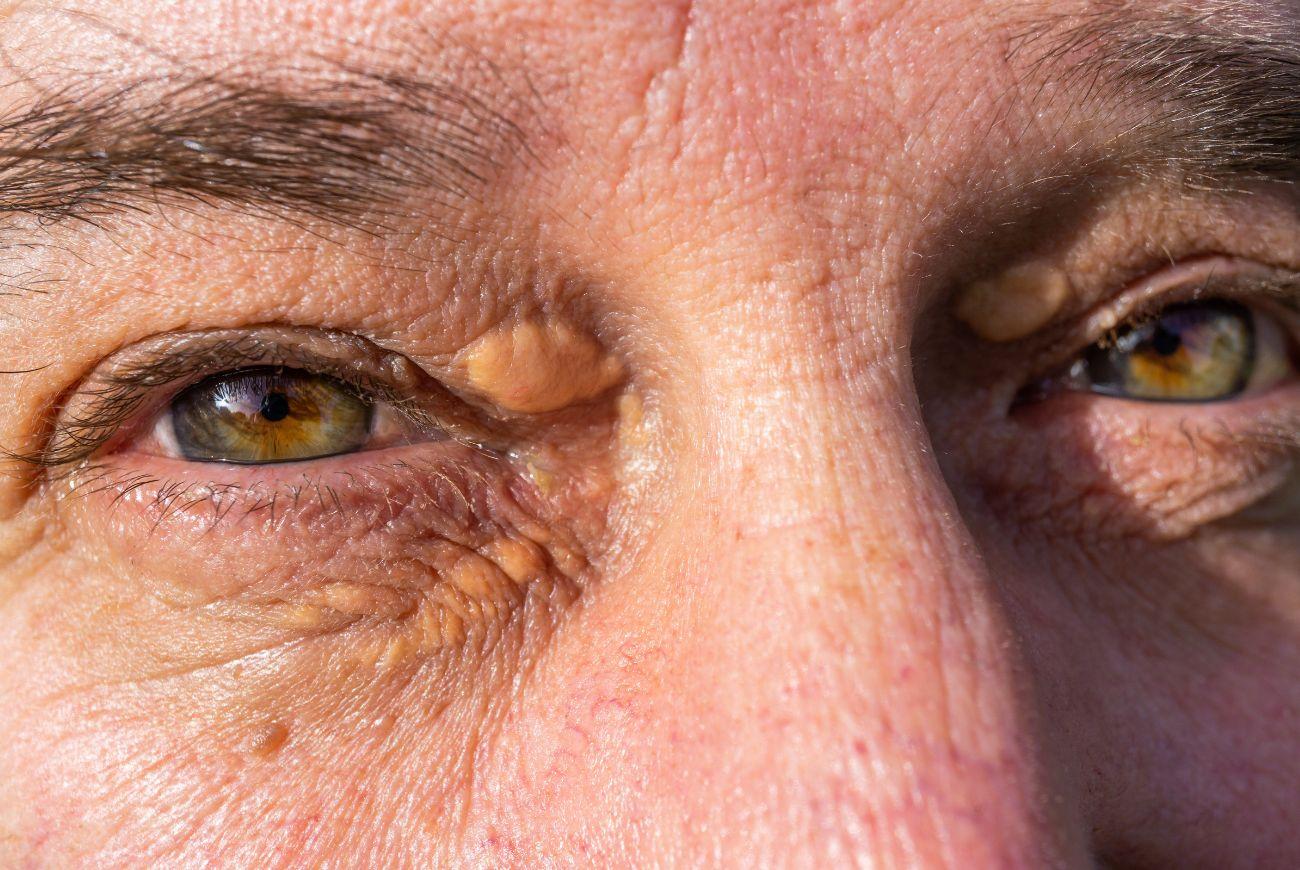
Yellowish plaques around the eyes can affect the appearance of the eyelids, particularly when they develop near the inner corners or along the upper and lower eyelids. These deposits, known as xanthelasma, are made up of cholesterol-rich material within the skin. Although they are generally harmless and do not usually cause pain, their visible texture and colour can make the eye area appear uneven. For people who want a smoother-looking eyelid area, understanding the available treatment options is an important first step.
Eyelid Xanthelasma Removal in Dubai refers to medical procedures designed to reduce or eliminate these visible deposits. Depending on their size, depth, location, and the condition of the surrounding skin, treatment may involve surgical excision, laser treatment, or selected chemical techniques. The most suitable approach depends on an individual assessment rather than a single method being appropriate for everyone.
In Dubai, patients can explore different dermatology and aesthetic care providers to discuss their concerns and determine whether treatment is appropriate. When choosing a clinic, it is important to consider the practitioner's qualifications, experience with delicate eyelid procedures, safety protocols, and approach to aftercare. The skin around the eyes is thin and sensitive, so treatment requires particular attention to precision and healing.
It is also worth understanding that xanthelasma can recur after removal. These deposits may be associated with elevated cholesterol levels, although they can also develop in people whose cholesterol levels are normal. A medical assessment can help identify any relevant underlying concerns.
With the right evaluation and realistic expectations, patients can make informed decisions about improving the appearance of their eyelids while prioritising skin health and eye safety.
Clinics to Consider for Eyelid Xanthelasma Treatment in Dubai
HeliumDoc
HeliumDoc can be considered as a starting point for patients researching healthcare services and looking for suitable medical consultations. When exploring options for eyelid plaque treatment, patients should establish whether a listed practitioner offers the specific procedure they need and has appropriate experience treating xanthelasma around the eyes.
Before arranging an appointment, ask about the available treatment methods, the practitioner's qualifications, and whether an in-person examination is required. This helps clarify whether the service is suitable for the location and severity of the deposits.
For anyone considering eyelid treatment, the consultation should cover the likelihood of recurrence, possible scarring or pigmentation changes, and the expected recovery period. Patients should also confirm whether the provider can assess potential cholesterol-related concerns or recommend an appropriate medical referral.
Enfield Royal Clinic
Enfield Royal Clinic is an option for patients in Dubai researching aesthetic treatments for visible skin concerns. Those considering Eyelid Xanthelasma Removal should discuss the appearance and location of their plaques during a consultation to establish which approach, if any, may be appropriate.
A careful assessment is particularly important when deposits sit close to the lash line or inner corners of the eyes. The treating practitioner should explain the benefits and limitations of available techniques, including whether surgical removal or another method may be suitable for the individual case.
Patients should ask about the practitioner's experience with periocular procedures, the risks of scarring, and how the clinic manages wound care and follow-up appointments. It is also useful to discuss whether medical evaluation for abnormal cholesterol levels is recommended.
Treatment planning should prioritise both cosmetic concerns and the safety of the delicate eyelid area. Patients should receive clear information about expected results and understand that complete removal does not guarantee that new deposits will not develop.
Aster Clinic
Aster Clinic is another healthcare provider patients may investigate when looking for medical assessment of skin concerns. For people with yellowish eyelid plaques, the priority is to determine whether the marks are xanthelasma and whether treatment is appropriate.
A qualified medical practitioner can examine the deposits, review relevant medical history, and advise whether referral to a dermatologist, ophthalmologist, or suitably qualified procedural specialist is necessary. This is especially important when the lesions are close to the eye or when their diagnosis is uncertain.
Patients should ask whether the clinic offers the relevant procedure directly or refers patients to another service. They should also confirm the practitioner's experience, available treatment options, and follow-up arrangements.
A thorough consultation can help patients distinguish between procedures intended to remove existing plaques and medical care intended to address associated risk factors. Managing cholesterol, when indicated, is important for general health, although it does not necessarily eliminate existing deposits.
Dynamic Life Clinic
Dynamic Life Clinic is an aesthetic healthcare provider that patients may explore when researching options for improving the appearance of visible skin irregularities. Before proceeding with treatment for eyelid plaques, patients should confirm that the clinic offers xanthelasma assessment and that the procedure will be performed by an appropriately qualified practitioner.
The treatment approach should reflect the size, thickness, and position of the deposits, as well as the patient's skin characteristics and medical history. Methods that may be appropriate for lesions elsewhere on the body are not automatically suitable for the delicate skin around the eyes.
During a consultation, patients should ask about the clinician's experience with eyelid lesions, the expected healing process, and the possibility of temporary swelling, redness, scarring, or changes in skin pigmentation. They should also understand whether the proposed technique requires local anaesthesia and what follow-up care will involve.
Clear communication about realistic cosmetic outcomes is essential. A suitable treatment plan should explain how the plaques may be reduced while minimising unnecessary damage to surrounding tissue.
Tajmeels Clinic
Tajmeels Clinic is another option patients may research when comparing aesthetic services in Dubai. Anyone considering treatment for xanthelasma should verify the availability of the specific procedure and establish whether an appropriately qualified practitioner will assess and treat the eyelid area.
A consultation should begin with an examination of the plaques and a discussion of the patient's expectations. The clinician should explain which methods may be appropriate, why a particular approach is recommended, and whether the lesion's location presents additional risks.
Patients should also ask how the clinic manages aftercare, when normal activities can usually resume, and what signs of complications require medical attention. Because the eyelids are close to the eyes, treatment should never be undertaken without appropriate training, protective measures, and a clear safety plan.
The most useful comparison between clinics is not based solely on advertised cosmetic results. Practitioner expertise, diagnostic accuracy, transparent consent, and access to follow-up care are important considerations when choosing a provider.
How to Choose the Right Clinic for Eyelid Xanthelasma Removal
Selecting a suitable provider involves more than comparing prices or looking at cosmetic treatment descriptions. Xanthelasma occurs in a sensitive area, and the quality of the assessment and treatment plan can influence both the cosmetic outcome and the risk of complications.
Experience and Qualifications
Choose a practitioner with appropriate medical qualifications and demonstrable experience treating lesions around the eyes. Depending on the case, a dermatologist, ophthalmologist, or another suitably trained specialist may be involved.
Ask how frequently the practitioner treats xanthelasma and whether they have experience managing lesions close to the eyelid margin. A qualified clinician should be able to explain the diagnosis, discuss alternatives, and outline the risks without promising a perfect result.
Technology and Treatment Techniques
Different techniques may be used to treat xanthelasma, including surgical excision, selected laser procedures, and chemical methods. Each has limitations, and the choice depends on the depth, size, and location of the plaques.
Surgical removal may be considered for certain lesions, while laser treatment may be appropriate in selected cases. Chemical treatments require particular caution near the eyes because accidental exposure or excessive tissue injury can cause serious damage.
Ask the practitioner why the recommended method is appropriate for your specific condition. The availability of advanced equipment alone does not establish that a treatment is the safest or most effective option.
Safety Standards
Eyelid procedures require careful attention to infection prevention, eye protection, anaesthesia, and wound management. Confirm that the clinic follows appropriate medical safety standards and has a clear plan for managing complications.
Before treatment, disclose relevant medical conditions, medications, allergies, previous procedures, and any history of abnormal scarring. If the lesion is atypical or the diagnosis is uncertain, the practitioner may recommend further assessment or biopsy rather than immediate cosmetic removal.
Patients should also receive written aftercare instructions and clear guidance on when to seek medical assistance.
Consultation Process
A good consultation should include an examination of the plaques, a review of medical history, and an explanation of the proposed procedure. The clinician should discuss alternatives, potential complications, recovery expectations, and the possibility of recurrence.
Because xanthelasma can sometimes be associated with lipid abnormalities, ask whether a cholesterol assessment is appropriate. A healthcare professional may recommend a lipid profile or further evaluation based on individual risk factors and medical history.
The consultation should leave you with a clear understanding of the treatment plan rather than pressure to proceed immediately.
Patient Experience and Follow-Up
The overall care experience matters, particularly when treatment involves the eyelids. Look for clear communication, transparent pricing, informed consent, and accessible follow-up arrangements.
Ask how the clinic will monitor healing and whom you should contact if you experience increasing pain, unusual swelling, discharge, or changes in vision. Vision changes or significant eye pain after a procedure require urgent medical assessment.
Follow-up care also provides an opportunity to review the cosmetic result and discuss any remaining or recurring plaques.
Expected Results and Recovery
The aim of treatment is to reduce or remove the visible deposits while preserving the surrounding eyelid tissue. The final appearance depends on the lesion's characteristics, the technique used, individual healing, and whether the plaques recur.
Temporary redness, swelling, tenderness, or crusting may occur, depending on the procedure. Scarring, pigment changes, incomplete removal, and recurrence are also possible. Patients should ask when the initial healing period is expected to end and when the final cosmetic outcome can reasonably be assessed.
No clinic can guarantee that xanthelasma will never return. Understanding this limitation helps establish realistic expectations and supports a more informed treatment decision.
Frequently Asked Questions
What is eyelid xanthelasma, and why does it develop?
Xanthelasma consists of soft, yellowish plaques caused by lipid-laden cells accumulating in the skin, commonly around the inner corners of the eyelids. The deposits are usually benign. They can be associated with elevated cholesterol or other lipid abnormalities, but they may also occur in people with normal blood lipid levels.
Is Eyelid Xanthelasma Removal painful?
The level of discomfort depends on the method used. Surgical procedures may involve local anaesthesia, while some non-surgical treatments can cause temporary stinging or a burning sensation. Mild tenderness, swelling, or redness may develop afterward. Your practitioner should explain the expected discomfort and recommend appropriate aftercare before treatment.
Which treatment is best for smoother-looking eyelids?
There is no single best method for every patient. Surgical excision, laser treatment, and selected chemical techniques may be considered depending on the plaques' size, depth, location, and the patient's skin characteristics. A qualified practitioner should assess the lesions and explain the advantages, limitations, and risks of each suitable option.
Can xanthelasma return after treatment?
Yes. Recurrence is possible even when the original plaques have been successfully removed. New deposits may develop because the underlying tendency to form xanthelasma can persist. Follow-up with a healthcare professional, along with assessment and management of any relevant lipid abnormalities, may be appropriate.
Should I check my cholesterol before treatment?
It is sensible to discuss cholesterol testing with a healthcare professional, particularly if you have not had your lipid levels checked recently or have other cardiovascular risk factors. Xanthelasma can sometimes be associated with abnormal blood lipids, although it is not proof that cholesterol is elevated. Your clinician can advise whether a lipid profile or further evaluation is appropriate.
Conclusion
Smoother-looking eyelids may be achievable for people with visible xanthelasma, but successful treatment begins with an accurate diagnosis and an individualised medical assessment. The right approach depends on the plaques' characteristics, the condition of the surrounding skin, and the patient's overall health.
When comparing providers in Dubai, consider practitioner qualifications, experience with delicate eyelid procedures, safety standards, treatment options, and the quality of follow-up care. Clinics such as Enfield Royal Clinic, alongside other healthcare providers, may be worth researching, but patients should independently confirm the availability of xanthelasma treatment and the qualifications of the clinician who would perform it.
Eyelid Xanthelasma Removal can help reduce the appearance of existing plaques, although scarring, pigmentation changes, and recurrence remain possible. Discussing the benefits and limitations of treatment with a qualified medical professional is the best way to determine whether a procedure suits your needs. Medical evaluation for associated cholesterol abnormalities may also form part of a comprehensive approach, supporting both informed cosmetic decisions and long-term health.

 English
 Arabic
 French
 Spanish
 Portuguese
 Deutsch
 Turkish
 Dutch
 Italiano
 Romaian
 Portuguese (Brazil)
 Greek
