
How to Choose Eastern Europe Tour Packages for Your Next Holiday?
Introduction
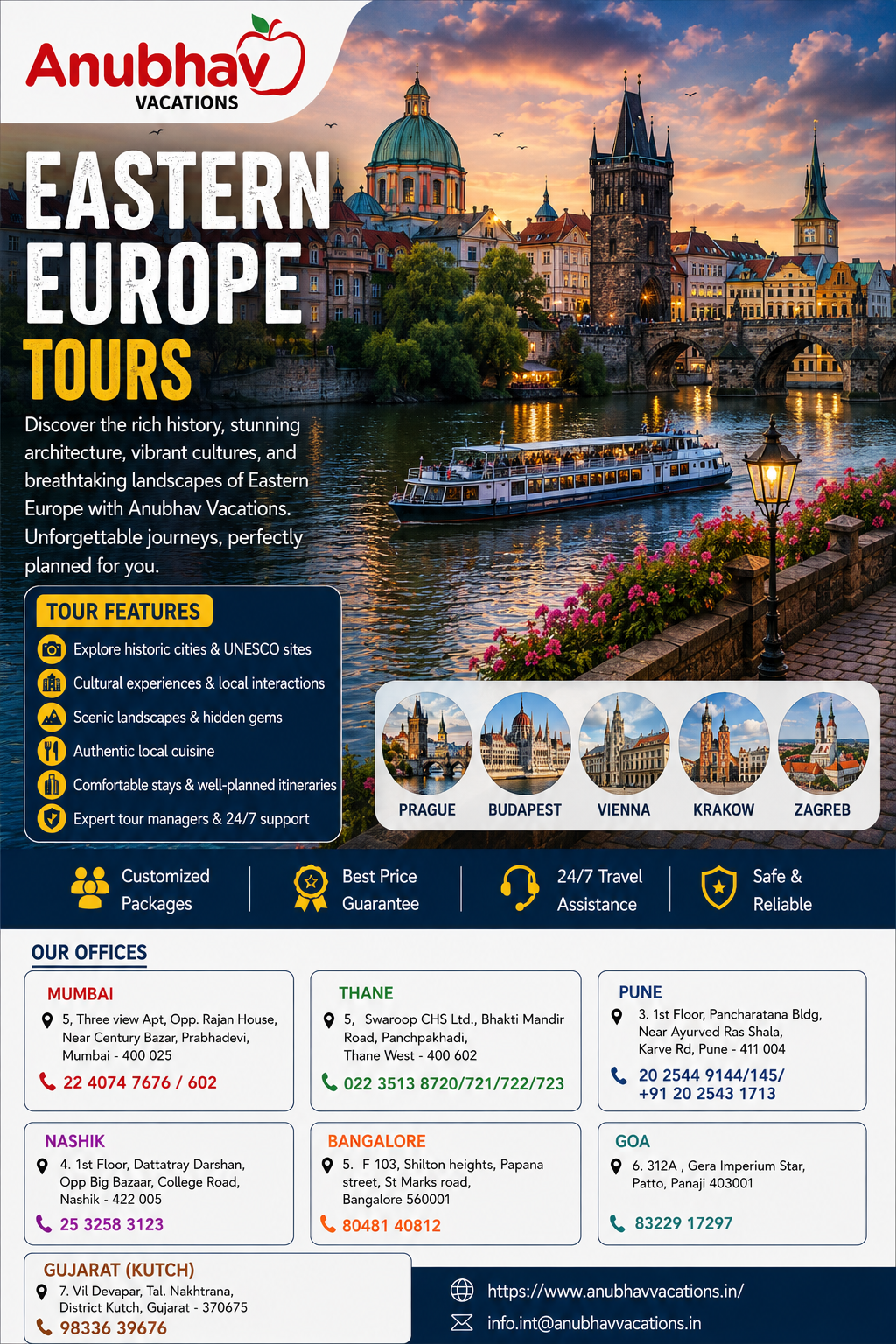
Eastern Europe offers an exciting blend of historic cities, architectural treasures, scenic landscapes, and rich cultural traditions. From Prague's medieval streets and Budapest's riverside views to Vienna's imperial landmarks and Kraków's historic squares, the region provides countless opportunities for discovery. Travellers can explore centuries-old castles, enjoy traditional cuisine, visit fascinating museums, and experience the distinctive atmosphere of each destination.
Choosing the right Eastern Europe tour packages starts with understanding your travel preferences, available time, and the experiences you want to enjoy. Some visitors prefer a relaxed holiday focused on a few major cities, while others want to explore several countries during one journey. A well-planned itinerary brings these experiences together without making every day feel rushed.
By considering the route, season, accommodation, transport, and sightseeing arrangements, you can select a holiday that offers a comfortable balance of exploration and relaxation.
Identify the Destinations You Want to Visit
The first step in choosing an Eastern European holiday is deciding which destinations interest you most. The region includes a wide variety of cities and landscapes, so selecting places that complement one another can make your journey more enjoyable.
Prague, Czechia
Prague is a wonderful choice for travellers who appreciate historic architecture and charming city streets. Its Old Town features colourful buildings, traditional squares, and the famous astronomical clock. Charles Bridge offers beautiful views of the Vltava River, while Prague Castle provides insight into the city's royal and architectural heritage.
Visitors can spend time exploring historic neighbourhoods, visiting museums, enjoying cafés, and discovering local markets. An early morning walk through the city centre can also provide a quieter perspective on its most famous landmarks.
Vienna, Austria
Vienna is known for its elegant architecture, imperial palaces, classical music, and traditional coffeehouses. Schönbrunn Palace and the Hofburg are popular attractions for visitors interested in European history.
The city also offers art museums, landscaped gardens, concert venues, and pedestrian-friendly streets. Travellers who enjoy cultural experiences may appreciate including a classical music performance or a leisurely café visit in their schedule.
Budapest, Hungary
Budapest combines historic landmarks with scenic riverfront views and a lively urban atmosphere. The Hungarian Parliament Building, Buda Castle, and Fisherman's Bastion are among its most recognisable attractions.
Visitors can enjoy panoramic views of the Danube, explore traditional neighbourhoods, and experience the city's famous thermal baths. Budapest also offers opportunities to discover Hungarian cuisine and local cultural traditions.
Kraków, Poland
Kraków appeals to travellers interested in history, architecture, and local culture. Its Main Market Square, Wawel Castle, and historic streets create an inviting setting for sightseeing.
The city also offers museums, traditional restaurants, and opportunities to learn about Poland's complex past. Allowing sufficient time here helps visitors explore beyond the main attractions and enjoy the city's distinctive atmosphere.
Choose a Route That Fits Your Available Time
A practical route is essential when visiting multiple destinations. Although several Eastern European cities are connected by trains and coaches, travel time can still affect how much sightseeing you can enjoy.
For a first visit, a route connecting Prague, Vienna, and Budapest can provide a rewarding introduction to Central Europe. Travellers with additional time may include Kraków, Bratislava, or destinations in Slovenia, depending on their interests.
When comparing routes, consider the following factors:
-
Travel duration: Allow enough time for sightseeing and transfers between cities.
-
Destination priorities: Select places that match your interests rather than trying to visit every major attraction.
-
Transport connections: Check journey times, departure stations, and transfer arrangements.
-
Accommodation changes: Avoid moving hotels too frequently if you prefer a relaxed holiday.
-
Free time: Leave opportunities for independent exploration, shopping, and local dining.
A sensible route reduces unnecessary backtracking and helps you appreciate each destination instead of spending most of the holiday travelling.
Decide When You Want to Travel
The best time to visit Eastern Europe depends on your preferred weather, sightseeing interests, and travel style. Each season offers a different atmosphere.
Spring: March to May
Spring brings gradually warmer weather, longer days, and blooming gardens. It is a pleasant period for exploring historic districts, visiting museums, and enjoying outdoor cafés as the season progresses.
Temperatures can vary, especially in March and early April, so carrying clothing that can be layered is advisable.
Summer: June to August
Summer offers long daylight hours and lively outdoor settings. Visitors can enjoy walking tours, riverfront activities, cultural events, and scenic excursions.
However, popular cities can become busy during the peak holiday season. Booking accommodation and major attractions in advance can help you avoid unnecessary inconvenience.
Autumn: September to November
Autumn offers colourful scenery, cooler temperatures, and a different atmosphere across historic cities. September and October are often appealing for travellers who enjoy sightseeing without the busiest summer conditions.
November generally brings shorter days and colder weather, making indoor attractions and seasonal activities useful additions to the itinerary.
Winter: December to February
Winter offers festive markets, illuminated streets, and opportunities to experience Eastern Europe's seasonal traditions. Cities such as Prague, Vienna, and Budapest are especially popular around Christmas.
Cold weather and occasional snow are possible, so warm clothing and suitable walking shoes are important. Check seasonal opening hours for outdoor attractions and excursions before departure.
Compare Accommodation and Transport Options
Accommodation and transport have a major influence on the overall holiday experience. Before selecting a tour, review the hotel locations, room arrangements, transport services, and transfer schedules.
Staying near central sightseeing areas can make it easier to explore attractions without spending excessive time commuting. However, accommodation further from the centre may offer a quieter setting, depending on your preferences.
Train travel is convenient on many routes connecting major Central European cities. Coaches can also be useful for destinations that are less accessible by rail. The best option depends on the route, schedule, and overall travel arrangements.
When reviewing a package, check whether airport transfers, inter-city transport, baggage allowances, and hotel transfers are included. Understanding these details helps you prepare for the journey and avoid unexpected arrangements.
Make Guided Sightseeing Part of Your Experience
Guided sightseeing can help you understand the history and cultural significance of the places you visit. A knowledgeable guide may explain the architectural details of a historic building, introduce local traditions, and share stories that bring a destination to life.
In Prague, a walking tour can introduce visitors to the Old Town and its historic landmarks. In Vienna, guided visits may focus on imperial palaces and cultural attractions. Budapest offers opportunities to learn about its historic districts and the role of the Danube in the city's development.
A guided Prague Vienna Budapest itinerary can be especially useful for travellers who want to explore several destinations while keeping transport and sightseeing arrangements organised. When comparing options, check whether guides accompany the group throughout the journey or are provided locally for selected excursions.
It is also worth choosing a programme that leaves some free time. This allows you to revisit favourite places, browse local shops, or enjoy a meal at your own pace.
Explore Local Food and Cultural Traditions
Food offers a wonderful way to understand Eastern Europe's regional character. Each destination has its own culinary traditions, from Czech specialities and Austrian pastries to Hungarian dishes and Polish comfort food.
Travellers can sample traditional soups, dumplings, pastries, regional desserts, and local beverages. Historic cafés, neighbourhood restaurants, and food markets provide opportunities to discover local flavours beyond the main tourist attractions.
Cultural experiences can also include music performances, local markets, craft shops, museums, and seasonal celebrations. These activities add variety to a holiday and provide insight into the everyday lives of local communities.
If you have dietary preferences, communicate them before departure and confirm whether included meals can accommodate your requirements. This is particularly important when meals are arranged for a group.
Prepare Your Travel Documents
Travel documentation should be an important part of your planning process. Visa requirements depend on your nationality, destination, and individual circumstances.
Several popular destinations in Eastern and Central Europe are part of the Schengen Area. Indian passport holders generally need the appropriate visa for short visits where required. Travellers should check current official requirements and determine which country should receive their application based on the planned route.
Commonly required documents may include a valid passport, application forms, photographs, proof of accommodation and travel arrangements, financial documentation, and travel medical insurance that meets applicable requirements.
Begin preparations early enough to allow time for appointments and processing. Remember that booking a tour does not guarantee visa approval, and entry requirements may differ for destinations outside the Schengen Area.
Understand the Complete Holiday Budget
Comparing the overall inclusions is more useful than looking at a package headline alone. The total amount you spend can depend on the travel season, hotel category, route, meal arrangements, and activities selected.
When reviewing a tour, consider:
-
International flights and baggage allowances
-
Accommodation and room-sharing arrangements
-
Airport transfers and inter-city transport
-
Meals included in the itinerary
-
Guided sightseeing and attraction entry tickets
-
Visa fees and travel insurance
-
Optional excursions and personal spending
Peak-season travel and special events can affect availability and demand. Comparing inclusions and exclusions helps you understand what the holiday covers and plan for any additional expenses.
Pack for Comfort and Convenience
Packing appropriately helps make sightseeing more comfortable, especially when the weather changes between destinations.
Bring comfortable walking shoes, layered clothing, and a waterproof jacket. For winter travel, include a warm coat, gloves, a scarf, and suitable footwear for cold or wet conditions.
A small daypack is useful for carrying water, personal essentials, and an extra layer during excursions. Keep travel documents and essential medication accessible, and consider bringing a universal travel adapter compatible with the countries on your route.
Avoid overpacking if your itinerary includes several hotel changes. Travelling with manageable luggage can make train platforms, coach transfers, and walking through historic districts much easier.
Conclusion
Choosing the right Eastern European holiday involves more than selecting a list of destinations. The route, season, accommodation, transport, guided activities, and available time all contribute to a comfortable and memorable journey.
With careful planning, Eastern Europe tour packages can help bring together historic cities, cultural experiences, scenic journeys, and local traditions in one organised holiday. By comparing the itinerary and inclusions carefully, you can select an experience that matches your interests and allows you to explore the region at a comfortable pace.
FAQs
1. Which destinations are best for a first Eastern European holiday?
Prague, Vienna, and Budapest are popular choices for first-time visitors because they offer distinctive architecture, historic attractions, cultural experiences, and convenient connections between cities.
2. How many days should I plan for Eastern Europe?
The ideal duration depends on the number of destinations. A shorter holiday can focus on two or three cities, while a longer trip allows more time for additional countries and scenic excursions.
3. When is the best time to visit Eastern Europe?
Late spring and early autumn are often appealing for sightseeing and walking tours. Summer offers longer days, while winter provides opportunities to enjoy festive markets and seasonal city experiences.
4. Do Indian travellers need a visa for Eastern Europe?
Visa requirements depend on the destinations and the traveller's circumstances. Check the current official requirements for each country and allow sufficient time for any necessary applications.
5. What should I check before booking an Eastern European tour?
Review the itinerary, accommodation, transport arrangements, included meals, guided sightseeing, visa requirements, optional excursions, and cancellation terms before confirming your booking.
Read Our Previous Blog-----------> Where Can You Book Patagonia Travel Packages From Mumbai?

 English
 Arabic
 French
 Portuguese
 Deutsch
 Turkish
 Dutch
 Italiano
 Russian
 Romaian
 Portuguese (Brazil)
 Greek
