
Barge Building Company: The Future of Lightweight and Durable Marine Vessels
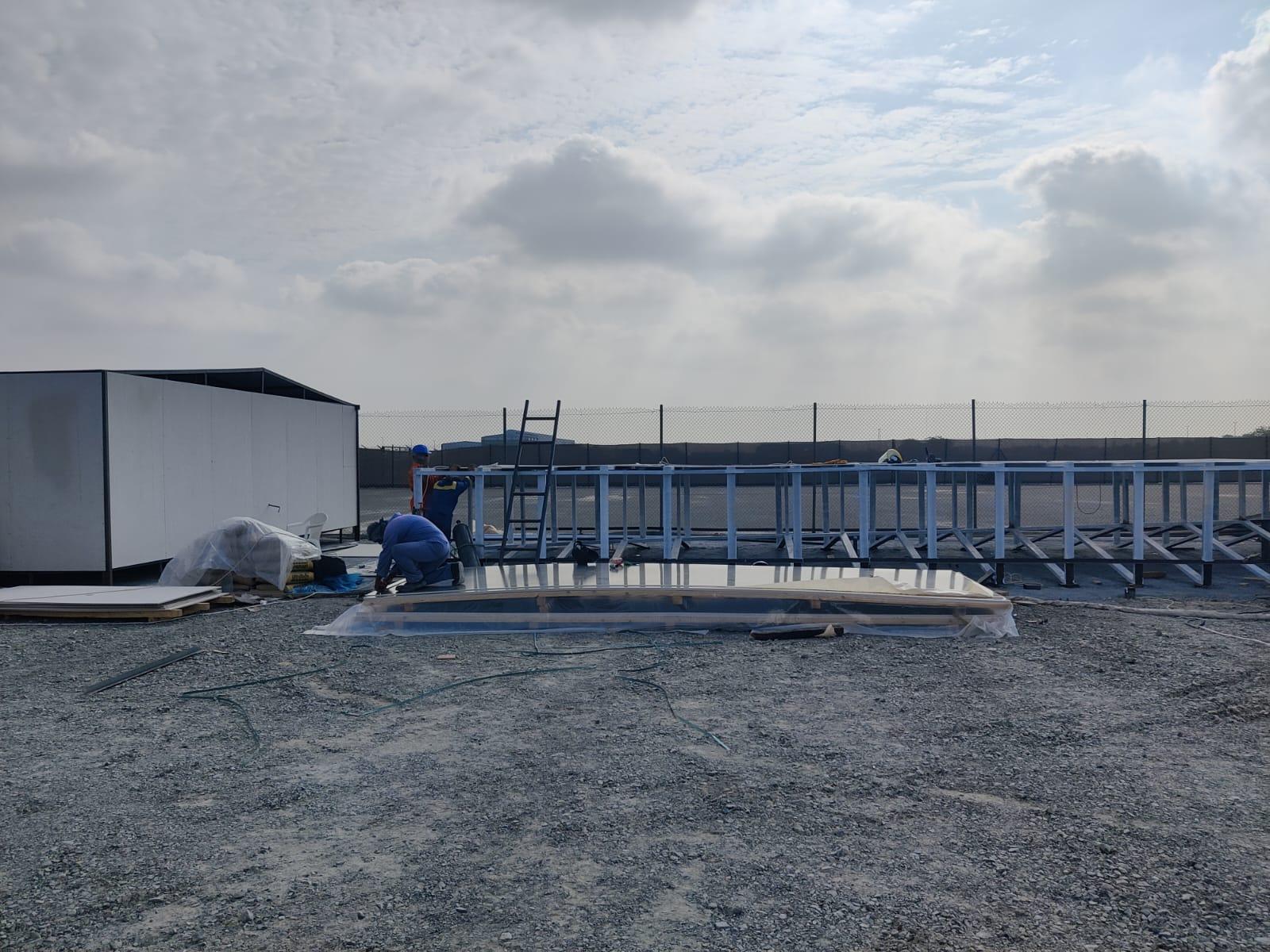
Modern marine transportation requires vessels that are strong, reliable, fuel-efficient, and suitable for different commercial operations. A barge building company plays an important role in developing vessels that transport construction materials, industrial equipment, bulk cargo, and heavy goods across rivers, coastal waters, and ports. With improvements in marine engineering, the industry is increasingly focusing on lightweight materials, durable structures, and efficient construction methods.
Barges are widely used in port operations, offshore projects, dredging activities, and industrial transportation. Their design makes them suitable for carrying heavy loads and supporting projects that require dependable marine transportation. VU Marine focuses on marine engineering and vessel construction solutions designed to meet the changing needs of commercial and industrial maritime operations.
1. The Growing Demand for Modern Barge Construction
The demand for specialized marine vessels continues to encourage improvements in vessel design and construction. Modern projects require barges that can handle different cargo types while maintaining stability, structural strength, and operational efficiency.
According to the International Maritime Organization, international shipping transports more than 80% of global trade by volume. Although this figure covers maritime shipping overall rather than barges alone, it demonstrates the importance of efficient marine transportation to global commerce.
Barges support this wider transport network by moving bulk materials, heavy machinery, construction supplies, and industrial equipment. Their capacity and relatively simple design make them useful for a wide range of operations.
As project requirements become more specialized, builders must consider cargo weight, operating water depth, weather conditions, loading arrangements, and maintenance needs before starting construction.
2. Lightweight Materials for Better Vessel Performance
Material selection is one of the most important decisions in modern vessel construction. Aluminium and steel are commonly considered for marine structures because each offers different advantages depending on the vessel's intended use.
Aluminium has a density of approximately 2,700 kg/m³, while ordinary structural steel has a density of approximately 7,850 kg/m³. This means aluminium is roughly one-third as dense as steel. However, the final weight difference between two vessels depends on their structural design, plate thickness, reinforcement, and equipment.
The use of aluminium can help reduce structural weight in suitable applications. Potential benefits include easier handling of fabricated components, improved payload flexibility, and reduced propulsion energy requirements for certain powered vessels.
Steel remains an important material for heavy-duty barges because of its structural performance, fabrication characteristics, availability, and suitability for demanding cargo operations.
The best material should be selected according to load requirements, operating conditions, construction costs, maintenance expectations, and expected service life.
3. Advanced Engineering for Stronger Barges
Reducing weight is valuable only when the vessel maintains the strength and stability required for its intended operations. Barges frequently carry heavy equipment and materials, so their decks, hulls, and supporting structures must withstand substantial loads.
Modern engineering tools help designers calculate structural stresses, assess load distribution, and determine suitable reinforcement arrangements. Computer-aided design can also help identify potential weaknesses before construction begins.
Key design considerations include:
-
Deck plate thickness and reinforcement.
-
Hull structure and watertight compartments.
-
Bulkhead arrangement and structural connections.
-
Cargo distribution and maximum loading capacity.
-
Stability under different operating conditions.
-
Access for inspection and future maintenance.
For example, a barge carrying heavy construction machinery may require a different deck arrangement from one designed for transporting bulk materials. Careful engineering helps ensure that the vessel meets its intended operational requirements.
4. Modern Manufacturing Technologies
Technology is transforming how marine vessels are designed, fabricated, and inspected. Digital engineering tools can improve planning, reduce measurement errors, and support more consistent manufacturing processes.
Computer-aided design allows engineers to prepare detailed structural models and coordinate the placement of different components. Automated cutting equipment can improve dimensional accuracy and help reduce material waste.
Modern welding methods also play a significant role in vessel construction. Appropriate welding procedures, qualified personnel, and inspection processes are necessary to achieve reliable structural joints.
Digital quality records can help maintain information about materials, fabrication procedures, inspection results, and repairs. These records are useful for tracking construction progress and supporting maintenance throughout the vessel's working life.
By combining technology with skilled workmanship, builders can improve production consistency without compromising structural safety.
5. The Importance of Aluminium in Specialized Vessel Design
Lightweight construction is particularly valuable when vessel performance depends on reducing unnecessary structural weight. Aluminium offers a useful combination of relatively low density, good corrosion resistance, and fabrication flexibility.
Aluminum barge builders must consider the specific alloy, structural strength, welding requirements, fatigue behaviour, and operating environment before selecting a design. Aluminium vessels still require appropriate reinforcement and engineering calculations to ensure they can withstand their expected loads.
Aluminium may be suitable for certain specialized barges where weight reduction is an important requirement. However, it is not automatically the best choice for every application. Large heavy-duty cargo operations may benefit from steel construction, depending on the load, budget, and service conditions.
A detailed comparison of materials helps buyers understand the balance between initial investment, operational performance, repair requirements, and long-term value.
6. Corrosion Protection and Long-Term Durability
Marine vessels operate in environments where saltwater, humidity, changing temperatures, and physical wear can affect structural materials. Corrosion protection is therefore essential for maintaining vessel reliability.
Steel barges commonly require suitable coatings, correct surface preparation, regular inspections, and timely repairs. The protection system should match the vessel's exposure to seawater, freshwater, cargo, and other environmental conditions.
Aluminium forms a naturally protective oxide layer, which helps resist corrosion. Nevertheless, it can still experience corrosion under unsuitable conditions, especially where dissimilar metals come into contact or moisture becomes trapped.
Proper drainage, suitable fittings, compatible fasteners, and appropriate electrical isolation can help reduce corrosion risks.
Routine inspections of the hull, deck, joints, and protective coatings allow operators to identify damage early. Preventive maintenance can reduce the likelihood of expensive repairs and help extend a vessel's service life.
7. The Role of Regional Marine Expertise
Marine construction projects in the Gulf region require careful consideration of local operating conditions, including high temperatures, salinity, and demanding commercial schedules.
Barge builders in UAE need to consider the intended vessel application, expected cargo, water conditions, applicable regulations, and maintenance requirements when planning a project. Proper design and quality control help ensure that vessels are suitable for their operating environment.
The UAE's strategic maritime location supports commercial shipping, port activities, offshore operations, and industrial transportation. These activities create a need for dependable vessels that can support different logistical and engineering requirements.
VU Marine provides marine engineering and vessel construction services for commercial and industrial maritime needs. Careful planning, material selection, and attention to fabrication quality are important factors in developing vessels suited to specific operational demands.
8. Sustainability and Operational Efficiency
Sustainability is becoming an important consideration in modern marine engineering. Builders are exploring ways to reduce material waste, improve manufacturing efficiency, and extend the service life of vessels.
Lightweight construction may reduce energy requirements in certain powered applications. However, the actual benefit depends on hull design, operating speed, cargo weight, propulsion systems, and operating conditions.
For non-propelled barges, efficiency depends on the performance of the towing vessel and the combined transportation system.
Other useful measures include optimized structural design, efficient loading arrangements, durable protective coatings, and planned maintenance. Repairing suitable components instead of replacing them unnecessarily can also reduce resource consumption.
Lifecycle assessment provides a broader way to compare construction materials by considering manufacturing energy, transportation, maintenance, durability, and recycling opportunities.
9. Choosing the Right Barge Construction Partner
Selecting a suitable construction partner requires more than comparing initial prices. Buyers should assess technical expertise, design capabilities, material quality, fabrication procedures, and the ability to meet project specifications.
Before approving a project, buyers should review the vessel's proposed dimensions, load capacity, stability calculations, structural details, and inspection requirements. They should also clarify delivery schedules, warranties, maintenance access, and applicable certification requirements.
Aluminium barge manufacturers should demonstrate an understanding of alloy selection, welding procedures, structural reinforcement, and corrosion prevention. Buyers should also confirm that the proposed design is appropriate for the vessel's intended workload and operating environment.
For steel vessels, similar attention should be given to plate quality, welding standards, protective coatings, and structural inspections.
Clear communication between the buyer, designer, and construction team can reduce misunderstandings and help keep a project aligned with its technical and commercial objectives.
10. The Future of Lightweight and Durable Marine Vessels
The future of barge construction will likely involve improved materials, digital design, advanced manufacturing, and better maintenance planning. Engineering software and digital inspection records can support more accurate construction and help operators monitor vessel condition throughout its service life.
Research into improved coatings, efficient fabrication methods, and material recycling may also contribute to more sustainable vessel construction.
However, innovation must remain balanced with safety, reliability, and practical operating requirements. No single material or manufacturing method can meet every marine project's needs.
The most successful vessel designs will combine suitable materials, strong structural engineering, efficient layouts, and reliable maintenance strategies. These improvements can help operators achieve better long-term value while supporting demanding commercial marine activities.
Conclusion
Lightweight and durable vessel construction is an important direction for the marine industry. Aluminium can offer weight-saving advantages in suitable applications, while steel remains valuable for many heavy-duty barge designs. The right choice depends on structural requirements, cargo capacity, operating conditions, and lifecycle costs.
Modern engineering, improved manufacturing techniques, corrosion protection, and regular maintenance all contribute to reliable vessel performance. By focusing on these essential factors, VU Marine supports the broader objective of developing practical marine solutions for commercial and industrial operations.
The future of barge construction is not simply about building lighter vessels. It is about creating vessels that combine strength, safety, efficiency, durability, and suitability for their intended work.

 Arabic
 French
 Spanish
 Portuguese
 Deutsch
 Turkish
 Dutch
Dutch
 Italiano
 Russian
 Romaian
 Portuguese (Brazil)
 Greek
Greek
