
Helping Patients Adjust Emotionally to Long-Term Ventilator Care at Home
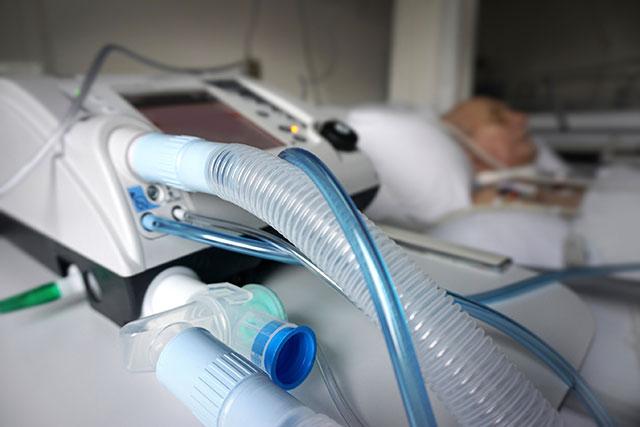
Adjusting to long-term ventilator support can be emotionally challenging for patients and their families, especially when breathing assistance becomes part of everyday life. Ventilator Care At Home In Dubai helps eligible patients receive respiratory support in familiar surroundings, where compassionate care and emotional reassurance can contribute to a better daily experience. Alongside skilled nursing and medical guidance, families may benefit from a Doctor at Home service when medical assessments or follow-up are appropriate. Understanding a patient's feelings, encouraging communication, and maintaining meaningful routines can help ease the adjustment process. With patience, individualized support, and professional guidance, patients can work toward greater confidence, dignity, and emotional wellbeing while receiving long-term care at home.
Understanding the Emotional Impact of Long-Term Ventilator Care:
Living with a ventilator may bring feelings of uncertainty, frustration, sadness, anxiety, or dependence, particularly when a patient's routines and independence change. Some patients worry about breathing difficulties, equipment alarms, or the possibility of needing help throughout the day. Others may feel isolated if their condition limits social activities or communication. Emotional responses differ from person to person and can change over time, so caregivers should avoid assuming that every patient feels the same way. Listening without judgment and acknowledging these concerns can help patients feel understood. Families should also recognize that emotional adjustment is not a sign of weakness and that professional psychological support may be useful when distress becomes persistent or interferes with daily life.
Encouraging Open Communication and Emotional Expression:
Patients need opportunities to express their concerns, preferences, and frustrations without feeling rushed or dismissed. Caregivers can encourage honest conversations by asking gentle questions, allowing enough time for answers, and listening carefully rather than immediately offering solutions. Some ventilator patients may have difficulty speaking because of their medical condition or airway equipment, so alternative communication methods may be necessary. Depending on the patient's abilities, these may include writing, communication boards, gestures, or approved electronic devices. Nurses and family members should learn how the patient communicates discomfort and emotions most effectively. Respectful communication supports trust and helps patients remain involved in decisions about their routines and care wherever clinically appropriate.
Helping Patients Maintain a Sense of Independence:
Dependence on respiratory equipment can make patients feel that they have lost control over their lives. Supporting independence means identifying choices and activities that remain possible within the patient's medical limitations. Patients may be encouraged to select clothing, choose daily activities, participate in care decisions, or maintain hobbies adapted to their abilities. Caregivers should explain care procedures before beginning them and ask permission whenever possible. Even small decisions can help preserve a sense of control and personal identity. Activities and mobility goals must be discussed with the healthcare team, particularly when ventilation, oxygen requirements, or movement restrictions affect safety. A balanced approach protects the patient's health while respecting preferences and dignity.
Establishing Predictable Daily Routines:
A consistent routine can help patients feel more secure when long-term ventilator care introduces unfamiliar responsibilities and schedules. Regular times for personal care, meals, rest, prescribed treatments, and social interaction may reduce uncertainty and make daily life feel more manageable. However, routines should remain flexible enough to accommodate fatigue, medical appointments, changing symptoms, and individual preferences. Caregivers can work with nurses to organize the day around the patient's energy levels and prescribed care requirements. It may also help to include enjoyable activities, such as listening to music, reading, watching a favourite programme, or spending time with loved ones. A predictable but adaptable routine can provide structure without making the patient feel restricted.
Managing Anxiety Related to Ventilator Equipment:
Ventilator alarms, tubing, masks, or airway devices may cause worry, particularly for patients who are newly discharged from hospital or unfamiliar with home respiratory support. Clear explanations from qualified professionals can help patients understand the purpose of their equipment and the role of alarms without creating unrealistic expectations. Caregivers should never dismiss a patient's fear or make promises that equipment problems cannot occur. Instead, they can explain that the care team has an emergency plan and that trained caregivers know when to seek help. Patients should be encouraged to discuss recurring worries with their nurse or treating clinician. Equipment training must be delivered by qualified professionals, and emotional reassurance should never replace appropriate monitoring or emergency procedures.
Maintaining Family Connections and Social Interaction:
Long-term respiratory support can make it harder to participate in family gatherings, community activities, or everyday conversations. Maintaining social connections can help reduce feelings of loneliness and reinforce a patient's sense of belonging. Families can plan visits around the patient's energy and medical needs, arrange video calls, or adapt familiar activities so the patient can take part. Caregivers should ask the patient which interactions feel enjoyable rather than assuming that more visitors are always better. Privacy and rest remain important, particularly when patients tire easily. When outings or community participation are medically appropriate, the healthcare team can advise on equipment, transport, and safety considerations. Meaningful connection can support emotional wellbeing without placing unnecessary pressure on the patient.
Recognizing Signs of Persistent Emotional Distress:
Occasional frustration or sadness can be part of adjusting to a major health change, but ongoing distress may need additional support. Caregivers should notice changes such as persistent low mood, loss of interest in favourite activities, increasing withdrawal, sleep difficulties, repeated expressions of hopelessness, or anxiety that interferes with daily care. These signs may have several causes, including physical discomfort, medication effects, or an underlying mental health concern, so professional assessment is important. Families should communicate their observations to the treating clinician rather than trying to diagnose the problem themselves. If a patient expresses an intention to harm themselves or appears to be in immediate danger, seek urgent professional or emergency assistance according to local procedures.
Supporting Emotional Wellbeing Through Professional Care:
Professional home healthcare can help patients and families address emotional challenges as part of an individualized care plan. Skilled nurses may provide reassurance, encourage communication, observe changes in mood or behaviour, and share concerns with the clinical team. Doctors can assess whether physical symptoms, medication issues, or other medical factors may be affecting emotional wellbeing. When needed, psychologists, counsellors, or other qualified mental health professionals can offer strategies for coping with anxiety, grief, adjustment, or persistent low mood. For families arranging Ventilator Care At Home In Dubai, it is useful to ask how emotional concerns are documented, who should be contacted if distress increases, and what additional support may be available. Emotional care should complement, not replace, respiratory treatment.
Helping Family Caregivers Manage Their Own Stress:
Family members supporting a ventilator-dependent patient may experience tiredness, worry, and pressure from ongoing responsibilities. Their wellbeing matters because exhaustion can make caregiving more difficult and may affect family relationships. Caregivers should discuss their responsibilities with the healthcare team, seek training for tasks they are expected to perform, and ask about appropriate nursing coverage or respite options where available. Sharing duties among willing family members, maintaining personal appointments, and making time for rest can help reduce strain. It is also important for caregivers to acknowledge their own emotions and seek professional support when stress becomes overwhelming. A sustainable care arrangement supports both the patient and the people helping them.
Building Hope Through Meaningful Goals and Progress:
Emotional adjustment does not require patients to feel positive every day. Instead, families can support realistic hope by focusing on meaningful goals that match the patient's condition, abilities, and preferences. These goals might involve improving communication, participating in a family activity, maintaining a hobby, or becoming more comfortable with a daily care routine. Progress should be measured individually rather than compared with another patient's recovery or independence. Healthcare professionals can help set appropriate goals and adjust them as medical needs change. Celebrating small achievements can encourage motivation while allowing space for difficult feelings. By focusing on what remains meaningful and achievable, patients may develop greater confidence in managing life with long-term respiratory support.
Final Thoughts.
Helping patients adjust emotionally to long-term ventilator care at home requires patience, empathy, clear communication, and consistent professional support. Families can make a meaningful difference by respecting the patient's choices, maintaining social connections, establishing flexible routines, and recognizing when emotional distress needs clinical attention. Patients should remain involved in decisions wherever possible, while caregivers also receive the guidance and rest they need to provide sustainable support. With individualized respiratory care and attention to emotional wellbeing, Ventilator Care At Home In Dubai can help eligible patients maintain dignity, connection, and quality of life while adapting to the challenges of long-term ventilation.

 English
 Arabic
 French
 Spanish
 Portuguese
 Turkish
 Dutch
Dutch
 Italiano
 Russian
 Romaian
 Portuguese (Brazil)
 Greek
Greek
