
What Should Patients Evaluate Before Trusting a Dentist With Zirconia Crowns?
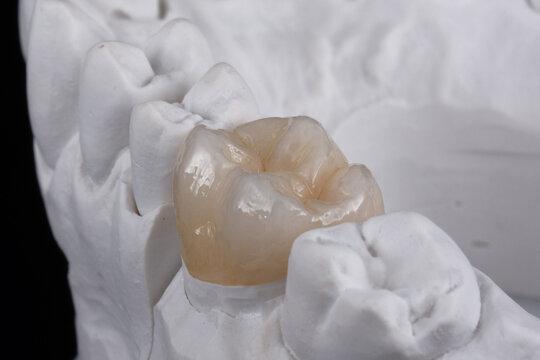
Choosing a dentist for zirconia crowns requires more than comparing treatment prices or selecting a clinic based on its appearance. Patients should evaluate the dentist’s experience, diagnostic approach, material knowledge, and ability to create a crown that fits comfortably and functions properly. Zirconia Crown in Islamabad are tooth-shaped restorations made from zirconium dioxide, a strong ceramic material commonly used to restore damaged, weakened, or heavily filled teeth.
These crowns are valued for their durability, natural-looking appearance, and resistance to wear. However, successful treatment depends on several factors, including the condition of the tooth, the quality of preparation, the accuracy of the crown, and the patient’s oral hygiene habits.
Before committing to treatment, patients should understand what makes a dentist qualified to provide zirconia crowns and how to identify a clinic that prioritizes long-term oral health.
Evaluate the Dentist’s Qualifications and Clinical Experience
A dentist’s professional qualifications and practical experience are essential considerations when selecting a provider for zirconia crown treatment. Although many dentists offer restorative procedures, patients should confirm that their chosen practitioner has appropriate training and experience in restorative and cosmetic dentistry.
An experienced dentist understands how to evaluate tooth damage, determine whether a crown is appropriate, and prepare the tooth while preserving as much healthy structure as possible.
Before booking a consultation, consider asking:
-
What qualifications and training do you have in restorative dentistry?
-
How frequently do you perform zirconia crown procedures?
-
How do you assess whether a zirconia crown is suitable for my tooth?
-
What challenges might affect my treatment outcome?
Patients should also assess how clearly the dentist explains the procedure. A trustworthy professional discusses the expected benefits, potential complications, alternative treatments, and limitations without guaranteeing perfect results.
Check Whether the Dentist Conducts a Thorough Oral Examination
A zirconia crown should not be recommended without an appropriate examination. The dentist needs to understand the condition of the affected tooth, surrounding gums, bite alignment, and overall oral health before developing a treatment plan.
Depending on the clinical situation, the assessment may include a visual examination, dental X-rays, photographs, or digital scans.
A comprehensive assessment helps identify problems such as:
-
Extensive tooth decay or cracks.
-
Existing fillings that may have weakened the tooth.
-
Gum inflammation or periodontal disease.
-
Infection affecting the tooth’s pulp.
-
Bite problems that could place excessive pressure on the crown.
If infection or active gum disease is present, the dentist may need to address it before proceeding with the crown. Some teeth may require root canal treatment, while others may be better managed with alternative restorative options.
Patients should feel comfortable asking why a crown is recommended and whether less invasive treatments, such as an appropriate filling or onlay, could preserve more natural tooth structure.
Understand the Quality and Type of Zirconia Material
Not all zirconia crowns have identical properties. Different zirconia formulations offer different balances of strength, translucency, and aesthetics. The most suitable option depends on the tooth’s location, functional demands, and the patient’s cosmetic expectations.
For example, crowns on back teeth often need to withstand substantial chewing forces. Front teeth may require particular attention to translucency, shade, and how the restoration blends with neighbouring teeth.
A knowledgeable dentist should explain the material selected for the individual case rather than simply describing every zirconia crown as the same product.
Patients should ask about:
-
The type of zirconia being used.
-
Whether the material is suitable for the tooth’s location.
-
How the crown’s colour and shape will be matched.
-
Whether the dental laboratory follows appropriate quality-control procedures.
-
What warranty or repair policy, if any, applies to the restoration.
Material selection should be based on clinical requirements rather than marketing claims alone. Even a high-quality ceramic material cannot compensate for poor preparation, an inaccurate fit, or an unsuitable treatment plan.
Assess Digital Scanning and Crown-Fitting Procedures
Accurate measurements are important for producing a crown that fits the prepared tooth and maintains a healthy relationship with the surrounding teeth and gums. Many modern dental practices use digital intraoral scanners to capture detailed images of the teeth and bite.
Digital scanning can improve the convenience of impression-taking and support communication with a dental laboratory. However, the technology itself does not guarantee a successful result. The dentist must still interpret the scans correctly, prepare the tooth appropriately, and check the finished restoration.
During the consultation, patients can ask whether the clinic uses digital scanning, conventional impressions, or a combination of methods.
They should also understand how the dentist evaluates the completed crown, including:
-
Marginal fit, where the crown meets the prepared tooth.
-
Contact with neighbouring teeth.
-
Bite alignment during chewing.
-
Colour, contour, and overall appearance.
-
Comfort and gum response after placement.
A well-fitted crown should not cause persistent pain, feel excessively high when biting, or create an area that repeatedly traps food.
Review the Dentist’s Approach to Personalised Treatment Planning
Every patient has different dental needs. The ideal crown design depends on factors such as tooth position, remaining tooth structure, bite forces, cosmetic goals, and existing restorations.
A dentist should explain the treatment process in understandable language and provide a plan based on the patient’s examination rather than applying the same approach to everyone.
A personalised treatment plan typically addresses:
-
Treatment suitability: Whether the tooth can be restored successfully with a crown.
-
Preparation: How much tooth structure needs to be reshaped.
-
Restoration design: Which zirconia option best suits the clinical situation.
-
Treatment timeline: How many visits may be needed and whether a temporary crown is appropriate.
-
Expected costs: The total anticipated fee and any additional procedures that might be necessary.
-
Aftercare: How the patient should maintain the restoration and when follow-up visits are required.
Patients should also receive realistic information about possible complications, including sensitivity, crown loosening, chipping, or the need for future replacement. Zirconia crowns can last for many years, but their lifespan varies according to clinical factors and maintenance.
Examine Hygiene Standards and Patient Communication
A professional dental environment should demonstrate appropriate infection-control practices, organised clinical procedures, and respectful communication. Patients can observe whether staff follow hygiene protocols, use properly sterilised instruments, and explain the steps involved in treatment.
Clear communication is equally important. Patients should receive straightforward answers about their diagnosis, treatment alternatives, fees, and potential risks.
Be cautious if a provider:
-
Pressures you to accept treatment immediately.
-
Promises a permanent result without complications.
-
Recommends extensive treatment without explaining the clinical reasons.
-
Avoids discussing alternatives or expected limitations.
-
Cannot clearly explain the treatment cost.
A reliable dentist encourages questions and gives patients sufficient information to make informed decisions.
Consider SKN Cosmetics in Islamabad for Dental Consultation
Patients exploring zirconia crowns can consider SKN Cosmetics in Islamabad when researching dental consultation options. Before proceeding with treatment, patients should discuss their dental concerns with the clinic and ask about the qualifications of the treating dentist, the examination process, the available zirconia materials, and the technology used for crown fabrication and fitting.
During the consultation, patients should request an explanation of the recommended treatment, available alternatives, estimated costs, and follow-up arrangements. They should also confirm who will perform the procedure and how the clinic handles adjustments if the crown feels uncomfortable after placement.
The most appropriate provider is one who bases recommendations on a proper dental assessment, communicates openly, and prioritises oral health alongside cosmetic appearance. Patients should evaluate these factors directly rather than relying solely on promotional claims or general clinic reputation.
Understand Aftercare and Long-Term Crown Maintenance
Even a carefully designed zirconia crown requires ongoing maintenance. Good oral hygiene helps protect the underlying tooth and surrounding gums, while routine dental examinations allow the dentist to identify potential problems early.
After crown placement, patients should:
-
Brush twice daily using fluoride toothpaste.
-
Clean between teeth with floss or suitable interdental aids.
-
Attend recommended dental check-ups.
-
Avoid chewing extremely hard objects that may damage restorations.
-
Discuss teeth grinding with the dentist, as a night guard may be appropriate in some cases.
Patients should contact their dentist if they experience persistent pain, a loose crown, swelling, or a change in their bite. Prompt assessment can help identify the cause and determine whether an adjustment or further treatment is needed.
Frequently Asked Questions
How can I choose a dentist for zirconia crowns?
Check the dentist’s qualifications, restorative experience, diagnostic process, and approach to treatment planning.
Are zirconia crowns suitable for every tooth?
No. Suitability depends on tooth condition, bite forces, location, and individual clinical needs.
How long do zirconia crowns last?
They may last many years, but longevity depends on fit, oral hygiene, bite forces, and regular dental care.
Is digital scanning necessary for zirconia crowns?
No. Digital scanning can help improve workflow and precision, but conventional impressions can also be effective.
Can a zirconia crown cause discomfort?
Temporary sensitivity may occur, but persistent pain or bite discomfort should be assessed by a dentist.
Making an Informed Decision About Zirconia Crowns
Selecting a dentist for zirconia crowns involves evaluating clinical expertise, diagnostic standards, material selection, crown-fitting accuracy, hygiene practices, and aftercare. Patients should prioritise a comprehensive examination and an individualised treatment plan instead of making decisions based solely on price or cosmetic promises.
By asking informed questions and understanding the available options, patients can make more confident decisions about restoring damaged teeth. Choosing a qualified dentist who explains the benefits, risks, and limitations of treatment supports better-informed care and helps patients maintain their oral health over the long term.

 English
 Arabic
 French
 Spanish
 Portuguese
 Deutsch
 Turkish
 Dutch
Dutch
 Italiano
 Romaian
 Portuguese (Brazil)
 Greek
Greek
