
Rhinoplasty Suturing Methods: Role in Shaping Nasal Tip
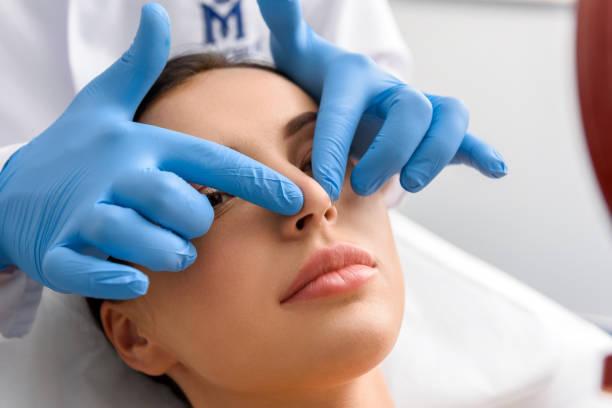
The nasal tip is often considered the defining feature of the central face, heavily influencing overall facial harmony. Rhinoplasty in Riyadh Achieving the perfect nasal contour requires a delicate balance of structural support and artistic precision. Within facial sculpting, advanced surgical stitches play a pivotal role in refining this area. Rather than relying solely on removing cartilage, modern techniques emphasize reshaping and reinforcing the existing nasal anatomy to create a natural, lasting appearance.
When considering a cosmetic or functional nasal refinement, many individuals explore advanced options like a Rhinoplasty in Riyadh. The region has become a prominent hub for advanced aesthetic procedures, attracting people looking for specialized surgical care. Understanding how surgeons use intricate suturing patterns to sculpt the nose can help patients set realistic expectations and appreciate the detailed artistry involved in the procedure.
The Evolution of Nasal Tip Sculpting
Historically, altering the nasal tip often involved aggressive tissue removal, which could sometimes lead to structural weakness or an unnatural appearance over time. Modern rhinoplasty has shifted toward structural preservation and modification. By using specialized permanent or long-lasting sutures, surgeons can bend, reposition, and secure nasal cartilages without compromising the structural integrity of the nose.
This evolution means that the structural foundation of the nose remains intact. Sutures act as internal scaffolding, allowing the surgeon to narrow a wide tip, lift a drooping apex, or correct asymmetry with microscopic precision. This precise approach ensures that the final shape harmonizes beautifully with the patient's unique facial proportions.
Key Suturing Techniques in Rhinoplasty
Surgeons utilize a variety of specialized stitching techniques depending on the patient's unique anatomy and aesthetic goals. Each suture serves a specific mechanical purpose to adjust the angle, rotation, or width of the nasal tip.
Interdomal and Transdomal Sutures
The interdomal stitch is primarily used to bring the two individual domes of the lower lateral cartilages closer together. This technique is highly effective for refining a bulbous or wide nasal tip, creating a more defined and cohesive central point. Transdomal sutures, on the other hand, are applied across a single dome to narrow its individual width, narrowing the tip from the front profile.
Septocolumellar Sutures
To address the rotation and projection of the nose—essentially how high or low the tip sits—surgeons frequently employ septocolumellar sutures. By anchoring the columella (the tissue strip separating the nostrils) to the nasal septum, the surgeon can precisely adjust the upward or downward tilt. This is a crucial step for correcting a drooping nose or softening a sharp nasal angle.
Lateral Crus Spanning Sutures
For patients experiencing breathing difficulties alongside aesthetic concerns, lateral crus spanning sutures offer a dual benefit. These stitches help flatten or reposition the outer walls of the cartilages, which can widen the internal nasal valve. This technique demonstrates how modern nasal surgery seamlessly blends cosmetic refinement with essential airway improvement.
Achieving Symmetry and Long-Term Stability
The primary challenge in tip rhinoplasty is ensuring that the crafted shape withstands the natural healing and scar contraction processes. Cartilage possesses natural elasticity, meaning it tends to return to its original form. Strategic suturing counteracts these forces, holding the tissue firmly in its new position while the internal structures heal.
Furthermore, precise tension control during stitching is vital to prevent post-operative asymmetry. An experienced surgeon meticulously measures the placement of each knot to ensure balanced airflow and uniform contours on both sides. This attention to detail results in a balanced, structurally sound outcome that ages gracefully alongside the patient's face.
What to Expect During the Recovery Process
Understanding the healing timeline is essential for anyone undergoing a Rhinoplasty in Riyadh. Because tip reshaping involves intricate internal modifications, mild swelling in this specific area can persist longer than in the nasal bridge. Patients typically wear a supportive splint for the first week to protect the newly structured cartilage framework.
As the initial swelling subsides over the following weeks, the refined contours of the tip gradually become more visible. It takes several months for the delicate skin to fully drape over the modified cartilage framework. Adhering strictly to post-operative guidelines—such as avoiding strenuous activities and keeping the head elevated—ensures that the internal sutures remain secure and undisturbed during early recovery.
Exploring Structural Refinement Options
For individuals considering a Rhinoplasty in Riyadh, finding the right approach involves a comprehensive evaluation of both facial aesthetics and nasal function. Whether the goal is to correct a congenital irregularity, repair a traumatic injury, or simply achieve better facial balance, modern suturing methods offer a highly customizable solution.
Consulting with a qualified specialist allows patients to explore tailored surgical plans that address their unique anatomical needs. During a detailed consultation, the surgeon assesses skin thickness, cartilage strength, and overall airway health to determine the ideal combination of structural stitches required for an optimal outcome.
Summary of Key Concepts
-
Structural Preservation: Modern techniques favor reshaping cartilage with strategic stitches over aggressive tissue removal to maintain long-term structural integrity.
-
Tip Refinement: Specialized interdomal and transdomal sutures precisely narrow bulbous tips and establish a defined, symmetric nasal apex.
-
Rotation Control: Septocolumellar stitches allow surgeons to adjust the tilt and projection of the nose, correcting drooping tips effectively.
-
Dual Benefits: Advanced lateral crus spanning techniques improve both the outward cosmetic shape and internal nasal airflow.
-
Healing Process: Internal sutures provide the necessary stability against natural tissue forces during the extended post-operative recovery phase.
For those seeking expert guidance and customized aesthetic care, you can book an appointment consultation clinic like Enfield Royal Riyadh.
Frequently Asked Questions
What is the primary role of sutures in a nose job in riyadh?
Sutures act as a permanent internal scaffold to narrow, lift, reshape, and stabilize nasal tip cartilage without removing tissue.
How do modern techniques affect rhinoplasty surgery in riyadh?
Modern structural stitching ensures highly predictable, natural-looking results while preserving long-term nasal airflow and stability.
What factors influence the overall nose surgery cost in saudi arabia?
The total investment depends on surgical complexity, technique intricacy, facility fees, and the specialist's clinical expertise.
Are the internal stitches used to shape the nasal tip permanent?
Surgeons typically use long-lasting or non-dissolvable sutures to ensure the reshaped cartilage permanently holds its new structural form.
How long does it take to see the final shape of the nasal tip?
While initial changes are visible within weeks, subtle swelling at the tip can take up to a full year to completely resolve.

 English
 Arabic
 French
 Spanish
 Portuguese
 Deutsch
 Turkish
 Dutch
Dutch
 Russian
 Romaian
 Portuguese (Brazil)
 Greek
Greek
