
Breast Surgery in Dubai for Different Body Types
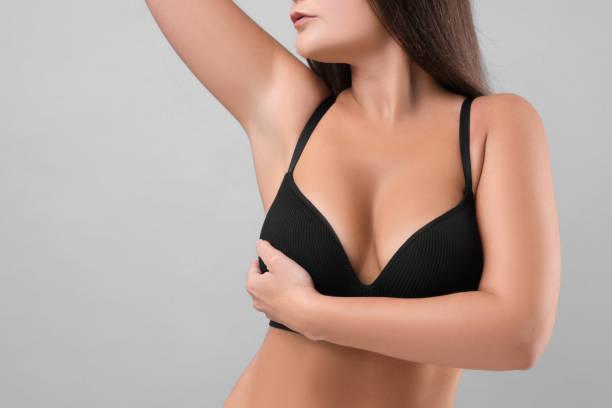
People considering Breast Surgery in Dubai have different body proportions, chest dimensions, breast shapes, and aesthetic priorities. These differences mean that the same procedure or implant size may produce different results in different individuals.
A suitable treatment plan considers the relationship between the breasts and the rest of the body. Rather than following a universal ideal, the aim of a consultation is to understand the patient's preferences and assess which changes may be achievable within their anatomy and medical circumstances.
Why Body Proportions Matter in Breast Surgery
Breast appearance is influenced by more than volume alone. The width of the chest, shoulder proportions, torso length, existing breast tissue, and position of the breast crease all contribute to the overall shape.
For example, a particular implant width may fit one person's chest comfortably but extend beyond the natural breast boundaries of another. Similarly, a change in breast volume can appear more pronounced on a smaller frame than on a broader torso.
The purpose of anatomical assessment is to understand these relationships before recommending a procedure.
Chest Width and Breast Dimensions
Chest width helps inform decisions about breast augmentation and implant dimensions. The surgeon may evaluate the width of the breast base, tissue coverage, and the distance between the breasts.
These measurements help establish practical boundaries for treatment planning. They also help explain why selecting an implant based only on a cup-size goal may not provide enough information for a safe or appropriate decision.
Existing Breast Tissue and Skin Quality
The amount of natural breast tissue influences coverage and the shape of the breast. Skin elasticity also affects how tissues may respond to changes in volume or surgical reshaping.
A patient with limited tissue coverage may have different considerations from someone with more existing breast tissue. Likewise, reduced skin elasticity may influence the options considered when the goal involves lifting or reshaping the breasts.
How Different Procedures Address Different Concerns
Body type does not determine one specific procedure. Treatment selection depends on the concern being addressed and the findings of an individual assessment.
Breast Augmentation
Augmentation is generally considered when a patient wants to increase breast volume or improve fullness. Planning may include discussion of implant dimensions, placement, and the relationship between the implant and existing breast tissue.
The most appropriate choice is not necessarily the largest possible implant. Excessive volume relative to the patient's anatomy may create unwanted proportions or place additional demands on the surrounding tissues.
Breast Reduction
Breast reduction may be considered when breast size causes physical discomfort, functional limitations, or concerns about proportion. Assessment can include breast dimensions, skin condition, symptoms, and the patient's expectations about size and shape.
The intended reduction should be discussed in practical terms. Exact cup sizes and final outcomes cannot be guaranteed because sizing systems vary and healing affects the final appearance.
Breast Lift
A breast lift focuses on breast position and shape rather than simply increasing or decreasing volume. It may be discussed when the breasts have descended or when the nipple position has changed.
The suitability of a lift depends on factors such as skin quality, existing breast volume, and the amount of reshaping needed. Some patients may have different options depending on whether they also want to change breast size.
Setting Realistic Goals During Breast Surgery in Dubai
Photographs and reference images can help explain personal preferences, but they should be used as communication tools rather than exact targets. Differences in chest anatomy, tissue distribution, skin quality, and healing mean that another person's result may not be reproducible.
During a consultation, discuss:
-
The changes you most want to achieve.
-
The features you prefer to preserve.
-
Any concerns about symmetry or breast position.
-
The practical limits created by your anatomy.
-
The risks and trade-offs associated with each option.
It is also useful to distinguish between changes that are essential to you and those that are simply preferences. This can help the clinical team explain what is realistic.
Why Measurements and Examination Are Important
A physical examination gives the surgeon information that photographs cannot provide. Depending on the proposed procedure, assessment may include breast width, tissue thickness, skin elasticity, nipple position, and the presence of asymmetry.
These findings support a more individualized discussion of the available techniques. They may also identify factors that require further evaluation before elective surgery.
Patients should be able to ask why a particular recommendation has been made and how it relates to their goals.
Body Weight Changes and Future Proportions
Changes in body weight can influence breast volume and shape. Weight gain may increase fatty tissue in the breasts, while weight loss may reduce fullness and affect skin appearance.
If significant weight changes are expected, it may be worth discussing timing before committing to elective surgery. The decision depends on the procedure, the patient's health, and individual circumstances.
Maintaining a relatively stable weight may help preserve some aspects of a surgical result, although it cannot prevent all age-related or hormonal changes.
Frequently Asked Questions
Is there an ideal breast size for every body type?
No. Suitable proportions depend on individual anatomy, personal preferences, and the procedure being considered. There is no single size that is appropriate for everyone.
Can implant size be selected by cup size alone?
Cup size is not a reliable standalone measurement because bra sizing varies between brands and styles. Implant selection requires assessment of breast dimensions, tissue coverage, chest anatomy, and treatment goals.
Does a smaller frame automatically mean smaller implants are required?
Not automatically. The decision depends on detailed measurements and tissue characteristics. A clinician should explain the options that fit the individual's anatomy and expectations.
Can body proportions affect the appearance of a breast lift?
Yes. Chest shape, existing breast volume, skin quality, and nipple position can influence the surgical plan and the resulting appearance.
An Individualized Approach to Breast Surgery in Dubai
Successful planning starts with understanding the patient's anatomy and preferences rather than choosing a procedure based on a generic body-type category. Measurements, medical history, and a realistic discussion of achievable changes help guide the decision.
Contact Tajmeels Clinic to enquire about a personalized consultation and discuss which breast surgery options may be appropriate for your goals and individual circumstances.
Phone: +971 4 373 9000
Email: leads@tajmeels.ae
This article provides general educational information. Procedure suitability, risks, and expected outcomes must be assessed individually by a qualified healthcare professional.

 English
 Arabic
 French
 Spanish
 Portuguese
 Deutsch
 Turkish
 Dutch
Dutch
 Italiano
 Romaian
 Portuguese (Brazil)
 Greek
Greek
