
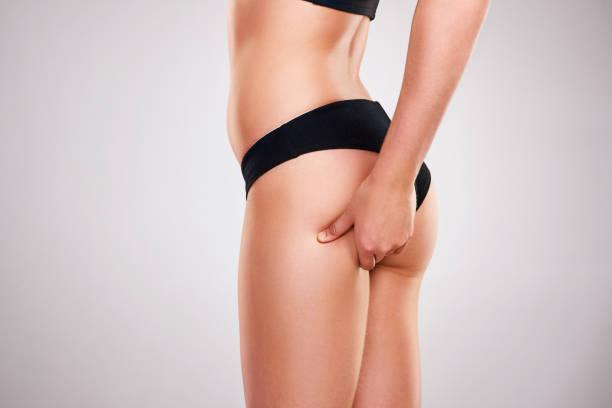
Most people think of body fillers purely in terms of volume. Bigger buttocks, fuller hips, smoother contours. Body Fillers in Riyadh But there's a less discussed benefit that often matters more: proportion. When the relationship between your shoulders, waist, hips, and legs is balanced, your entire silhouette reads differently. Clothes fit better. Posture looks more aligned. The eye perceives harmony rather than a single feature. If you're considering a Body Fillers in Riyadh treatment, understanding proportion is the key to planning something that genuinely works for your frame.
Why Proportion Matters More Than Volume
The Eye Seeks Balance
Human perception is drawn to symmetry and balanced ratios. A silhouette where the waist, hips, and shoulders relate well looks more natural than one with a single exaggerated feature.
Volume Without Proportion Looks Treated
Adding significant buttock volume to a narrow hip can create a disproportionate look. A modest amount placed to improve the hip-to-waist transition often achieves more.
Clothing Fits Differently
Balanced proportions mean garments sit better. Waistbands, dresses, and trousers drape more smoothly when the underlying contour is even.
Proportion Ages Better
Balanced enhancement tends to look natural for longer. Extremes date quickly and often look obvious. People searching for butt fillers near me increasingly arrive with proportion-focused references rather than size-focused ones.
The Role of Posture in Silhouette
How Posture Affects Perception
Pelvic tilt, lumbar curve, and shoulder position all change how the hips and buttocks appear. A patient with significant anterior pelvic tilt may look more pronounced than someone with a neutral pelvis, regardless of actual volume.
Why Fillers Can't Fix Posture
Fillers add volume. They don't correct spinal alignment, muscle imbalance, or pelvic tilt. If posture is the primary issue, strength training and physiotherapy will achieve more than injections.
Where Fillers Can Help Visually
Filler can soften transitions between areas, which creates a smoother visual line. This can give the impression of better alignment without actually changing posture.
The Value of Honest Assessment
A good practitioner will tell you if posture, not volume, is your main concern. That's a conversation worth having before treatment.
Understanding Body Ratios
Waist-to-Hip Ratio
This is the most relevant measure for lower body contouring. A defined waist paired with balanced hips creates an hourglass impression. Slimming the waist often does more for the silhouette than adding hip volume.
Hip-to-Buttock Transition
The lateral hip dip is a common concern. Smoothing this area creates a more continuous line and improves the appearance of proportion.
Shoulder-to-Hip Balance
Broad shoulders paired with narrow hips can look top-heavy. Modest hip enhancement can rebalance this relationship.
Leg Length Perception
Higher hip placement creates the illusion of longer legs. This is why some patients benefit more from upper glute and hip contouring than lower buttock volume.
How Body Fillers Support Better Proportion
Smoothing the Hip Dip
Targeted filler in the lateral hip softens the transition between waist and thigh, creating a more continuous curve.
Adding Upper Glute Projection
Volume placed higher on the buttock lifts the visual line, which can make legs appear longer and the waist appear narrower.
Refining the Waist-to-Hip Ratio
While fillers don't reduce the waist, adding modest hip volume can improve the ratio visually. Combining this with fat reduction in the flanks often produces better results.
Correcting Mild Asymmetry
Small differences between sides can unbalance an otherwise proportionate figure. Filler can even out these differences.
Enhancing Definition Without Bulk
For patients wanting a firmer, more athletic look, small volumes placed strategically can add definition without dramatic size increase.
When Proportion Concerns Need Other Solutions
Significant Postural Issues
Pelvic tilt, scoliosis, and muscle imbalances need physiotherapy and targeted training, not fillers.
Large Volume Goals
If you want substantial augmentation, fat transfer or implants will be more effective and cost-efficient than repeated filler sessions.
Skin Laxity
Loose skin needs tightening procedures. Filler adds volume but doesn't lift tissue.
Stubborn Fat Deposits
Fat reduction methods, including cryolipolysis and radiofrequency, address localised fat more directly than fillers.
Muscle Tone Goals
Electromagnetic muscle stimulation and strength training build the underlying structure that makes any contour look better.
Combining Treatments for Better Proportion
Fat Reduction Plus Fillers
Slimming the flanks or abdomen while adding hip volume creates contrast that enhances proportion more than either treatment alone.
Muscle Stimulation Plus Fillers
Building gluteal muscle provides a foundation. Filler then enhances a shape that already has structure.
Skin Tightening Plus Fillers
Tightening addresses laxity while filler restores volume. Together they improve both texture and contour.
Strength Training as a Foundation
Consistent glute and core training supports posture, muscle tone, and overall silhouette. Clinical treatments enhance what training builds.
Staged Planning
For multiple concerns, staging treatments across sessions is often safer and produces more refined results than attempting everything at once.
What the Treatment Involves
Consultation and Assessment
Your practitioner evaluates your proportions, posture, tissue quality, and goals. Photos from multiple angles help identify where volume will genuinely improve balance.
Cleansing and Numbing
The area is cleansed, and numbing cream or injectable anaesthetic is used for comfort.
Injection
Filler is placed in small amounts across targeted points to create smooth transitions rather than isolated volume.
Aftercare
Mild swelling and bruising are expected. Avoid pressure, heat, and strenuous activity for 24 to 48 hours, longer for weight-bearing areas.
Questions to Ask During Consultation
About Proportion
"Which areas would most improve my overall balance, and why?"
About Posture
"Are my concerns related to posture rather than volume?"
About Combination Plans
"Would combining treatments achieve better proportion than fillers alone?"
About Longevity
"How long will results last in these specific areas?"
About Maintenance
"What does the maintenance schedule look like over the next two years?"
About Realistic Outcomes
"What improvement can I realistically expect, and what won't change?"
Book an Appointment Consultation Clinic
For those seeking expert guidance and customized aesthetic care, you can book an appointment consultation at the Enfield Royal Riyadh. A personalised consultation focuses on proportion rather than volume alone, helping you plan a balanced result.
FAQs
Can body fillers improve posture?
No. Fillers add volume but don't change spinal alignment or muscle balance. Physiotherapy and training address posture directly.
How do body fillers improve proportion?
By smoothing transitions, refining hip-to-waist ratios, and adding targeted volume where it balances the silhouette.
Which area matters most for proportion?
The waist-to-hip transition is usually most influential. Smoothing the hip dip often achieves more than adding buttock volume alone.
Should I treat multiple areas at once?
It depends. Many patients benefit from combination plans, but staging across sessions is often safer and more refined.
When are fillers not the right choice for proportion?
If your goals involve significant volume, posture correction, or skin laxity, other treatments will serve you better.

 English
 Arabic
 French
 Spanish
 Portuguese
 Turkish
 Dutch
Dutch
 Italiano
 Russian
 Romaian
 Portuguese (Brazil)
 Greek
Greek
