
Rhinoplasty Scars: What Patients Need to Know
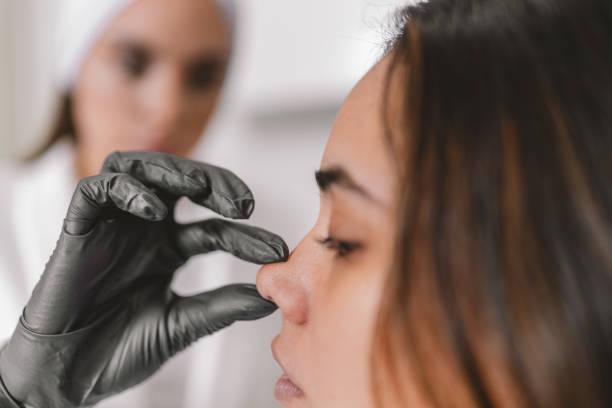
Rhinoplasty is a surgical procedure that reshapes the nose to improve its appearance, address structural concerns, or support better breathing. While many patients focus on the expected changes to their nasal profile, concerns about surgical scars are also an important part of preparation. The visibility of scars depends on the surgical technique, incision placement, individual healing, and postoperative care. For people considering Rhinoplasty in Riyadh (عملية تجميل الأنف في الرياض), understanding where scars may occur, how they heal, and what can help support recovery can make the surgical journey less uncertain and help establish realistic expectations.
Does Rhinoplasty Leave Visible Scars?
Rhinoplasty may leave small scars, but their visibility depends largely on the technique used. In many cases, incisions are placed inside the nostrils, where external scars are not visible. Some procedures require a small external incision that generally becomes less noticeable as healing progresses.
The surgeon considers the patient's nasal anatomy, the extent of reshaping required, and the most appropriate approach when deciding where incisions should be placed. Although careful surgical technique can help minimize visible scarring, no procedure can guarantee that scars will be completely invisible.
Internal Scars After Rhinoplasty
Internal scars develop as the tissues heal after incisions inside the nose. These scars are generally not visible from the outside. Internal healing is still important because excessive scar tissue can sometimes affect the nasal structure or contribute to functional concerns.
Patients should follow their surgeon's aftercare instructions and attend scheduled follow-up appointments so that healing can be monitored appropriately.
External Scars After Rhinoplasty
External scarring may occur when an open rhinoplasty technique is used. This approach involves a small incision across the columella, the strip of tissue between the nostrils, in addition to internal incisions.
The external incision is usually positioned to allow access to the underlying nasal structures while keeping the resulting scar as discreet as possible. With appropriate healing, the scar often becomes less noticeable over time, although its final appearance varies between individuals.
Open Versus Closed Rhinoplasty and Scar Visibility
The surgical technique can influence whether an external scar is expected. However, the decision should be based on the patient's treatment needs rather than scar concerns alone.
Scarring With Open Rhinoplasty
Open rhinoplasty allows the surgeon to view the underlying nasal structures more directly. It may be recommended for complex reshaping, detailed tip work, or certain revision procedures.
Because the technique includes a small external incision, a scar may remain on the columella. In many patients, it heals into a fine line that becomes difficult to notice, but scar appearance depends on individual healing and other factors.
Scarring With Closed Rhinoplasty
Closed rhinoplasty uses incisions inside the nostrils, so it does not require an external columellar incision. This means there is generally no visible external incision scar.
However, closed rhinoplasty is not suitable for every case. The surgeon must consider the complexity of the desired changes and whether adequate access can be achieved using this approach. Both open and closed techniques can be appropriate when selected for the right patient.
Factors That Influence Rhinoplasty Scar Healing
Scar healing differs from person to person. Several factors may affect the appearance and maturation of a surgical scar.
Skin Type and Individual Healing
Skin characteristics, genetics, and a person's history of scarring can influence the healing process. Some individuals are more prone to raised scars or keloids, which extend beyond the original wound. A history of abnormal scarring should be discussed with the surgeon before surgery.
Skin thickness may also influence how nasal contours appear during recovery, although it does not determine scar visibility on its own.
Surgical Technique and Incision Care
Careful incision placement, appropriate tissue handling, and following postoperative instructions can support healing. Patients should avoid touching, pulling, or applying unapproved products to healing incisions.
Smoking and nicotine use can impair wound healing. Patients should discuss nicotine use, medications, supplements, and relevant medical conditions with their healthcare professional before surgery.
Infection and Other Healing Complications
Infection, wound separation, or prolonged inflammation may affect scar formation. Patients should contact their healthcare team if they notice increasing redness, worsening pain, unusual discharge, fever, or other concerning symptoms. Early assessment can help determine whether treatment is needed.
How Rhinoplasty Scars Change Over Time
Scars generally change as the healing process progresses. During the early stages, an external incision may appear pink, slightly raised, or more noticeable than it will later. This does not necessarily indicate a poor final result.
Over subsequent months, scar tissue usually matures and may gradually become flatter and less prominent. The exact timeline varies, and subtle changes can continue for a year or longer. Nasal swelling may also take many months to settle, so the appearance of the nose and surrounding tissues can evolve throughout recovery.
Patients should avoid judging the final cosmetic outcome too early and should discuss any persistent concerns during follow-up appointments.
Tips for Supporting Proper Scar Healing
Following professional aftercare guidance is an important part of recovery after Rhinoplasty in Riyadh. Patients can support the healing process through several practical steps.
Follow Your Surgeon's Aftercare Instructions
Keep the incision area clean according to the instructions provided by the surgical team. Do not use creams, ointments, silicone products, or scar treatments on or near healing incisions unless the surgeon confirms they are appropriate.
Attend follow-up appointments so that the surgeon can monitor healing and advise when additional scar care may be suitable.
Protect the Nose During Recovery
Avoid activities that could place pressure on the nose or cause an injury until the surgeon advises that they are safe. Patients should also follow instructions about exercise, sleeping positions, nasal taping, and wearing glasses when relevant.
Protecting the healing tissues can help reduce the risk of complications that may affect the final result.
Ask Before Using Scar Treatments
Silicone gels or sheets are sometimes used for certain scars, but they may not be suitable for every incision or stage of healing. Because the columella is a small and sensitive area, patients should ask their surgeon whether a particular product is appropriate.
Persistent raised, red, or uncomfortable scars should be evaluated professionally rather than treated with unverified home remedies.
When Should Patients Seek Medical Advice About Scars?
Mild tenderness and temporary changes in the appearance of an incision can occur during normal healing. However, increasing redness, warmth, pain, unusual discharge, wound separation, or fever may indicate a complication and should be reported promptly.
If a scar remains raised, thickened, painful, or cosmetically concerning after healing, a healthcare professional can assess whether observation or additional treatment may be appropriate. Scar revision or other interventions are not always necessary and should be considered only after an individualized evaluation.
Book an Appointment at Royal Clinic Saudia
Understanding scar formation and recovery can help patients prepare for rhinoplasty with realistic expectations. At Royal Clinic Saudia, prospective patients can discuss their nasal concerns, preferred surgical approach, and questions about incision placement, healing, and aftercare. A personalized consultation can help clarify suitable options and explain how individual factors may influence recovery. Contact Royal Clinic Saudia ( عيادات رويال كلينك ) to learn more about Rhinoplasty in Riyadh and explore the next steps for your treatment goals.

 English
 French
 Spanish
 Portuguese
 Deutsch
 Turkish
 Dutch
Dutch
 Italiano
 Russian
 Romaian
 Portuguese (Brazil)
 Greek
Greek
