
When Can You See the Final Results of Rhinoplasty?
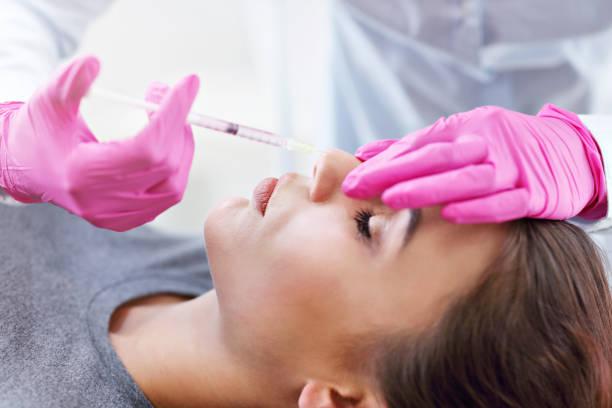
Rhinoplasty is a surgical procedure that reshapes the nose to improve facial balance, refine nasal features, and sometimes address breathing difficulties. Although changes may be noticeable soon after surgery, the nose needs time to heal before its final appearance becomes clear. Patients considering Rhinoplasty in Riyadh (عملية تجميل الانف في الرياض) should understand that most visible swelling improves during the first few weeks, while subtle changes can continue for 12 months or longer. The exact timeline depends on the surgical technique, the extent of reshaping, skin thickness, and each patient's natural healing process.
It is important to remember that rhinoplasty results develop gradually. The nose may initially look swollen, wide, or slightly uneven, which does not necessarily indicate a problem with the outcome. As the tissues heal, swelling decreases and the nasal contours become more defined. Understanding the stages of recovery helps patients maintain realistic expectations and avoid judging their results too early.
How Long Does It Take to See Rhinoplasty Results?
Rhinoplasty results become visible in stages rather than appearing all at once. Some improvements can be noticed within weeks, but the final shape takes considerably longer to develop.
Initial Changes During the First Week
During the first week after surgery, swelling and bruising can make the nose appear larger than expected. A protective splint may cover the nose, limiting how much of the new shape can be seen. Patients should not assess their results at this stage because the tissues are still in the earliest phase of healing.
Noticeable Improvements Within Two to Four Weeks
As bruising fades and swelling begins to decrease, the nose may start looking more natural. Many patients feel more comfortable returning to everyday activities during this period, depending on their recovery and the surgeon's advice. However, residual swelling can still affect the nasal bridge and tip.
Continued Refinement Over Three to Six Months
During the following months, the nose often becomes more defined as swelling continues to resolve. Changes may be easier to recognize around the bridge and overall nasal contour, although the tip can remain swollen longer than other areas.
Final Results After Twelve Months or Longer
For many patients, the final rhinoplasty outcome becomes clearer at around 12 months. Some individuals, particularly those with thicker nasal skin or more complex procedures, may need additional time. The surgeon can assess progress during follow-up appointments and explain whether the healing timeline is typical for the procedure performed.
Why Does Rhinoplasty Take So Long to Heal?
The nose contains delicate skin, cartilage, bone, and soft tissue. Surgery changes these structures, and the body needs time to repair them and allow swelling to settle.
Swelling Beneath the Skin
Even after visible bruising disappears, inflammation and fluid retention can continue beneath the skin. This can temporarily affect the nose's width, symmetry, and definition. The swelling generally improves gradually rather than disappearing overnight.
Healing Around the Nasal Tip
The nasal tip is often one of the last areas to show its final shape. Its skin and soft tissues can retain swelling for months, especially when substantial reshaping has been performed. This means the tip may look rounder or less defined early in recovery than it will later.
Individual Healing Differences
Every patient heals at a different rate. Skin thickness, the extent of surgery, previous nasal procedures, and individual healing characteristics can all influence when the final appearance becomes visible.
What Factors Affect the Final Rhinoplasty Results?
Several factors can influence both the appearance of the nose and the time required for the results to become fully visible.
Surgical Technique and Complexity
The recovery timeline may vary depending on whether the procedure involves minor refinements, extensive structural reshaping, or correction of functional concerns. Revision rhinoplasty can be more complex because the surgeon may need to work with scar tissue or changes from previous surgery.
Skin Thickness
Patients with thinner nasal skin may notice certain contours becoming visible sooner because less swelling is concealed beneath the skin. Thicker skin can take longer to settle, particularly around the nasal tip. However, skin thickness alone does not determine the quality of the final result.
Following Postoperative Instructions
Following the surgeon's guidance is essential for safe healing. Protecting the nose from impact, avoiding strenuous activity until cleared, taking prescribed medication as directed, and attending follow-up appointments can support recovery.
How Can You Tell Whether Your Rhinoplasty Is Healing Properly?
Healing generally involves gradual improvement in swelling, bruising, and discomfort. The nose may look different from week to week, and minor asymmetry can occur while swelling resolves unevenly.
Signs of Expected Healing
Common recovery changes include gradually decreasing bruising, improving comfort, and slowly increasing definition. Some congestion or residual swelling may persist for a period after surgery. Your surgeon can explain which symptoms are expected for your particular procedure.
When to Contact Your Surgeon
Contact your medical team if you notice symptoms that concern you, particularly heavy or persistent bleeding, fever, severe or worsening pain, increasing redness, or unusual discharge. Sudden vision changes or other severe symptoms require urgent medical assessment. Do not attempt to adjust or press the nose to change its shape during healing.
How Can You Maintain Your Rhinoplasty Results?
Protecting the nose during recovery helps support healing and reduce the risk of injury. Patients should follow their surgeon's recommendations rather than relying on general advice alone.
-
Keep your head elevated during the early recovery period if instructed.
-
Avoid rubbing, pressing, or blowing your nose until your surgeon permits it.
-
Protect the nose from accidental impact and contact sports.
-
Resume exercise gradually according to medical guidance.
-
Attend scheduled follow-up appointments to monitor progress.
-
Follow advice about sun protection and any recommended skincare precautions.
Patients considering Rhinoplasty in Riyadh should discuss their lifestyle and recovery expectations during the initial consultation. A personalized plan can help clarify when they may return to work, exercise, and other daily activities.
Should You Worry If Your Nose Still Looks Swollen After Several Months?
Not necessarily. Mild swelling can persist for months, particularly around the nasal tip. The nose may continue to refine even when the major stages of recovery are complete. However, persistent or worsening symptoms should be discussed with the surgeon rather than automatically attributed to normal swelling.
It is also important not to compare your progress too closely with another patient's results. Differences in anatomy, skin thickness, surgical technique, and healing mean that recovery timelines are not identical.
Book Your Rhinoplasty Consultation at Royal Clinic Saudia
Understanding when final results may become visible can help you approach rhinoplasty with realistic expectations. At Royal Clinic Saudia (عيادات رويال كلينك), patients can discuss their aesthetic goals, learn about suitable surgical approaches, and receive guidance on preparation and recovery. Schedule a consultation to understand the procedure and the healing timeline that may apply to your individual needs.
FAQs:
How many months does it take to see the final rhinoplasty results?
Many patients see their final results at around 12 months, although subtle swelling may take longer to resolve in some cases.
Will my nose look different immediately after rhinoplasty?
Yes. Swelling, bruising, and a protective splint can affect the appearance during the early recovery period. The shape becomes clearer as healing progresses.
Why is my nasal tip still swollen after six months?
The nasal tip can retain swelling longer than other areas because of its soft tissues and skin characteristics. Your surgeon can assess whether your healing is progressing as expected.
Can rhinoplasty results change after one year?
Minor changes may continue as tissues mature, but most of the major healing and refinement has generally occurred by this stage. Consult your surgeon if you notice a new or concerning change.

 English
 Arabic
 French
 Spanish
 Portuguese
 Turkish
 Dutch
Dutch
 Italiano
 Russian
 Romaian
 Portuguese (Brazil)
 Greek
Greek
