
Top Benefits of Working with Custom Apparel Manufacturers for Startups
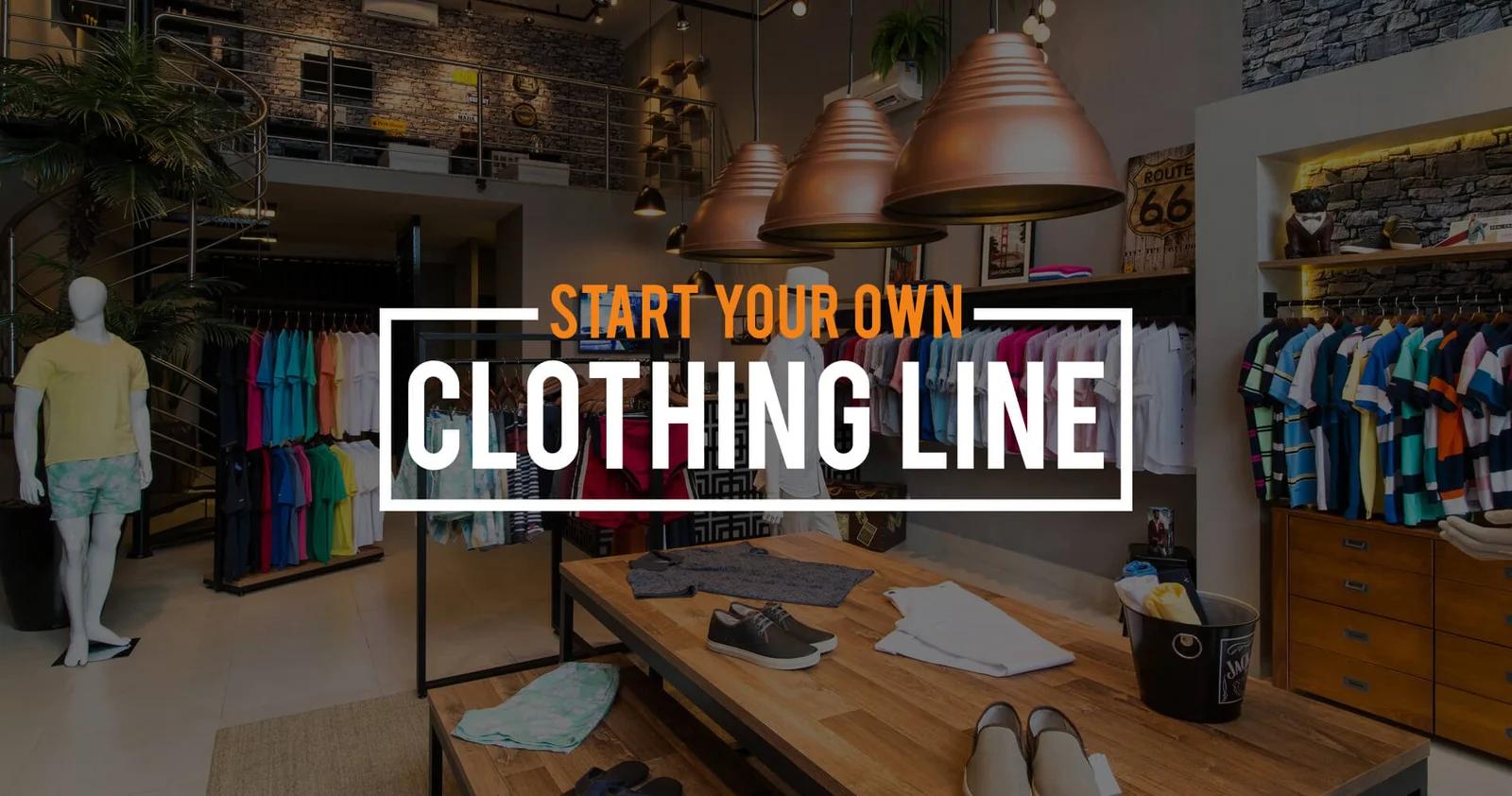
Starting a clothing business is an exciting opportunity for entrepreneurs who want to turn their creative ideas into a profitable fashion brand. However, launching a startup requires careful planning, product development, quality control, and cost management. Working with reliable custom apparel manufacturers can help new businesses transform their designs into market-ready products while building a strong foundation for future growth.
From choosing fabrics to managing production, the right manufacturing partner can simplify the process and help startups compete in the fashion industry. Understanding the benefits of custom apparel manufacturing can help entrepreneurs make better decisions and develop a clothing business that meets customer expectations.
1. Create Unique Apparel Designs
One of the main advantages of working with custom apparel manufacturers is the ability to develop unique clothing products. Instead of selling generic garments, startups can create apparel that reflects their brand identity and appeals to a specific audience.
Manufacturers may support custom T-shirts, hoodies, sweatshirts, sportswear, uniforms, and other clothing categories. Businesses can select fabrics, colors, patterns, garment fits, and finishing details to match their creative vision.
Unique designs help startups stand out in a competitive market. A distinctive product range can also make it easier to communicate brand values and attract customers who prefer original clothing.
2. Manage Startup Budgets More Effectively
Budget management is essential when launching a new apparel business. Entrepreneurs must allocate funds for product development, manufacturing, packaging, marketing, website management, and shipping.
A manufacturing partner can help startups understand production costs and choose suitable materials and processes for their budgets. Starting with a carefully planned collection can prevent unnecessary spending on products that have not yet been tested in the market.
Before placing an order, businesses should request detailed quotations covering fabric, labor, printing, embroidery, labels, packaging, and other applicable charges.
Comparing suppliers based on total costs, quality, and service helps entrepreneurs make informed decisions without sacrificing important product standards.
3. Support Bulk Production as the Business Grows
As a clothing startup gains customers, demand for popular products may increase. At this stage, larger production runs can help businesses maintain inventory and prepare for future sales.
Working with custom clothing manufacturers offering bulk production can help fashion entrepreneurs plan larger orders when demand justifies the investment. These manufacturers may provide production capacity for repeated collections, wholesale orders, and expanding product ranges.
Bulk manufacturing can sometimes reduce the cost per garment because certain setup and operational expenses are distributed across more units. However, actual savings depend on garment specifications, order quantities, materials, and supplier pricing.
Startups should evaluate sales forecasts and inventory requirements before committing to large orders. A gradual approach can help balance production costs with available cash flow.
4. Maintain Consistent Product Quality
Product quality affects customer satisfaction, brand reputation, and repeat purchases. Poor stitching, inconsistent sizing, uncomfortable fabrics, or unreliable printing can damage a startup's credibility.
Experienced custom apparel manufacturers can help establish production standards for fabric selection, measurements, stitching, printing, and finishing. They may also provide samples for review before manufacturing the complete order.
Entrepreneurs should examine samples carefully and confirm that the final products match the approved specifications.
It is also important to discuss quality inspections, acceptable defect rates, and procedures for addressing defective garments. Clear expectations help both parties maintain consistency throughout the manufacturing process.
5. Build a Recognizable Brand Identity
A strong clothing brand needs a consistent visual identity. Custom apparel manufacturing gives startups opportunities to incorporate branded elements that make their products more recognizable.
Depending on the supplier's capabilities, customization options may include embroidered logos, printed graphics, private labels, woven tags, custom neck labels, and branded packaging.
For example, a startup launching premium streetwear might combine heavyweight fabrics, distinctive embroidery, and carefully designed labels to create a consistent customer experience.
These details can help communicate the brand's positioning and distinguish its products from competing apparel collections.
Before production begins, entrepreneurs should provide clear branding files and confirm the placement, size, and quality requirements for each element.
6. Access Professional Manufacturing Expertise
New entrepreneurs may have limited knowledge of garment construction, fabric performance, pattern development, and production planning. A suitable manufacturing partner can help them understand these technical requirements.
Depending on the services offered, manufacturers may assist with sample development, fabric sourcing, pattern making, size grading, and production preparation.
This expertise can help startups identify potential problems before they become expensive manufacturing mistakes.
Entrepreneurs should choose suppliers with experience in their specific product categories. A manufacturer specializing in basic T-shirts may not have the same expertise or equipment needed for technical sportswear or complex outerwear.
Discussing product requirements early helps ensure that the manufacturer can deliver the expected results.
7. Test New Products Before Expanding
Launching too many products at once can increase financial risk. Startups benefit from testing designs and gathering customer feedback before expanding their collections.
For example, a new fashion brand might begin with a small selection of hoodies and T-shirts in different colors. After reviewing sales data and customer responses, the business can identify popular designs and decide which products deserve larger production runs.
Some manufacturers support small batches, while others have minimum order requirements. Entrepreneurs should confirm these conditions before choosing a supplier.
Testing products first helps businesses make decisions based on real demand rather than assumptions, reducing the risk of holding excessive unsold inventory.
8. Choose a Manufacturing Partner for Long-Term Growth
A good manufacturing relationship should support both current needs and future expansion. As sales increase, startups may require larger orders, additional sizes, new garment categories, or faster production schedules.
Before selecting a supplier, evaluate its production capacity, communication, turnaround times, customization options, and experience with repeat orders.
Requesting references, reviewing samples, and discussing payment terms can provide a clearer picture of the supplier's reliability.
It is also useful to confirm how the manufacturer handles design revisions, production delays, and quality concerns. A transparent working relationship can make production planning easier as the business grows.
Conclusion
Working with custom apparel manufacturers can help startups develop original products, manage budgets, maintain quality, and establish a recognizable brand identity. The right manufacturing partner can also provide valuable expertise and support as a business moves from its first collection toward larger production volumes.
For growing fashion businesses, custom clothing manufacturers offering bulk production can be useful when customer demand supports larger orders and consistent inventory. By evaluating product quality, pricing, production capacity, and supplier reliability, entrepreneurs can build a stronger manufacturing strategy and create a solid foundation for long-term success in the apparel industry.

 English
 Arabic
 French
 Spanish
 Portuguese
 Deutsch
 Turkish
 Dutch
Dutch
 Italiano
 Russian
 Portuguese (Brazil)
 Greek
Greek
