
What Is APOL1 Nephropathy, What Diet Helps With FSGS, and How Is FSGS Diagnosed?
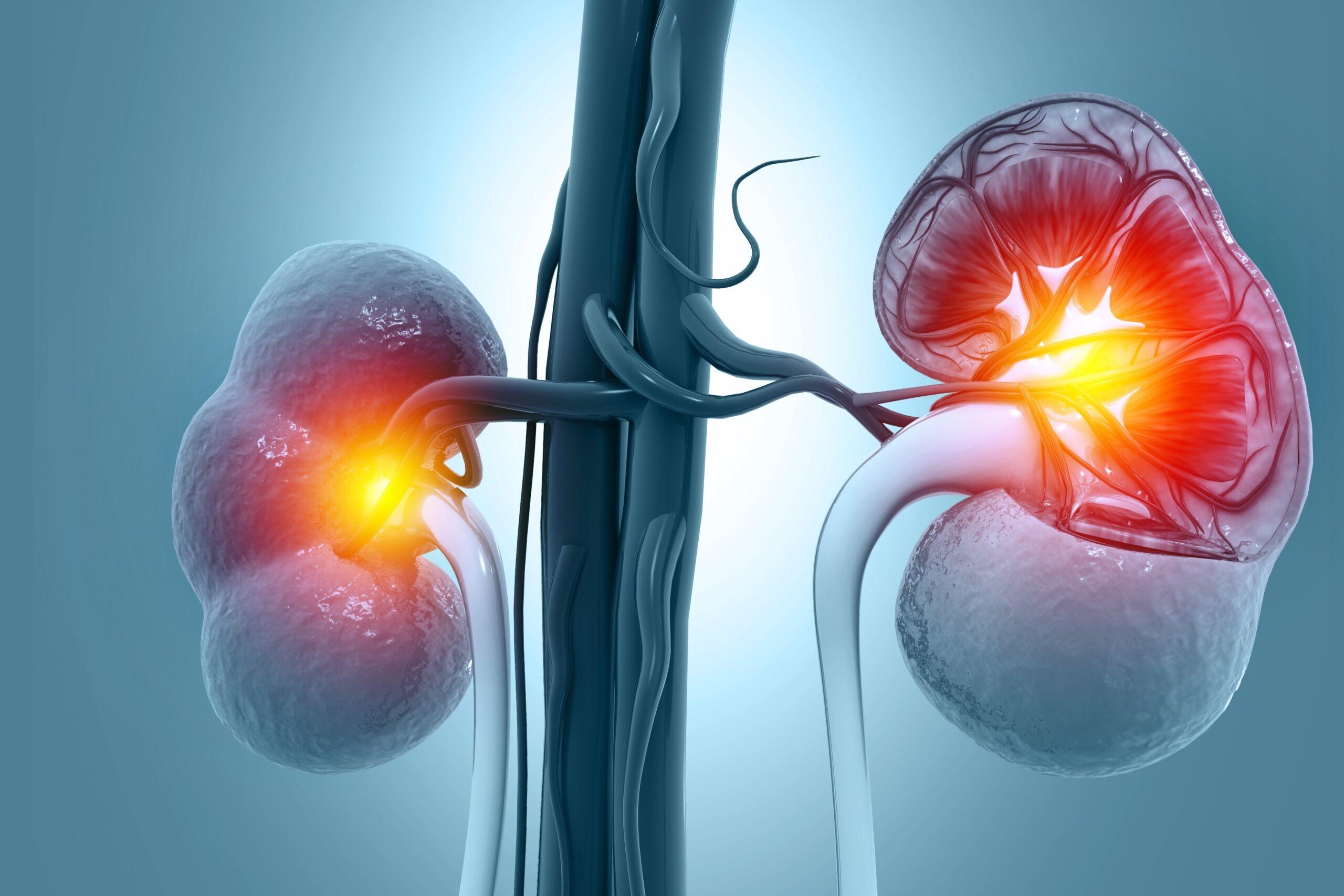
Kidney diseases can affect how the body filters waste, regulates fluid levels, and retains essential proteins in the bloodstream. Some conditions are associated with genetic risk factors, while others develop through immune-related injury, infections, medications, or underlying health problems. Understanding the cause of kidney damage is important for selecting appropriate care and monitoring changes in kidney function.
APOL1-associated kidney disease and focal segmental glomerulosclerosis (FSGS) are two important topics in kidney health. Diet and nutrition may also play a role in managing symptoms and supporting overall health for people living with these conditions.
Understanding APOL1 Nephropathy
APOL1 nephropathy refers to kidney disease associated with certain risk variants in the APOL1 gene. This gene provides instructions for making apolipoprotein L1, a protein involved in biological processes that include protection against certain infectious organisms.
Specific APOL1 variants are associated with an increased risk of particular kidney conditions, especially among people with recent African ancestry. However, carrying these variants does not mean that a person will inevitably develop kidney disease. Additional biological and environmental factors may contribute to whether kidney injury occurs.
APOL1-associated kidney disease may involve damage to podocytes, specialized cells that help maintain the kidney's filtration barrier. When these cells are injured, protein can leak into the urine and kidney function may decline.
Some people have few noticeable symptoms during the early stages. Others may develop proteinuria, high blood pressure, swelling, or changes in kidney function. Regular medical assessment can help identify kidney abnormalities and monitor their progression.
How Is APOL1-Associated Kidney Disease Evaluated?
Evaluation may include urine tests to measure protein, blood tests to assess kidney function, and blood pressure monitoring. Depending on the clinical situation, healthcare professionals may also consider genetic testing or a kidney biopsy.
Genetic testing can provide information about APOL1 risk variants, but the results must be interpreted alongside clinical findings. A genetic result alone does not establish the severity of kidney disease or predict an individual's exact outcome.
Research into APOL1-associated kidney disease is ongoing. Patients should discuss current management options and relevant clinical trials with qualified healthcare professionals rather than assuming that every investigational therapy is an established treatment.
What Is Focal Segmental Glomerulosclerosis?
Focal segmental glomerulosclerosis, commonly called FSGS, is a pattern of kidney injury characterized by scarring in portions of some glomeruli. These microscopic filtering units remove waste and excess fluid from the blood while helping retain essential proteins.
FSGS can develop for different reasons. Primary FSGS is generally considered to involve processes that directly injure the filtration barrier. Secondary FSGS may occur because of another medical condition, medication, infection, or prolonged stress on the kidneys. Genetic factors, including APOL1 risk variants, can also be relevant in certain cases.
Possible signs include foamy urine caused by protein loss, swelling in the legs or around the eyes, fluid-related weight gain, and high blood pressure. Some people may not notice symptoms until testing identifies abnormal urine protein or reduced kidney function.
How Is Focal Segmental Glomerulosclerosis Diagnosed?
Focal segmental glomerulosclerosis diagnosis typically involves reviewing medical history, symptoms, laboratory results, and other clinical findings.
Urine testing can identify protein loss, while blood tests help assess kidney function and related abnormalities. A kidney biopsy is often important for confirming the characteristic pattern of scarring. The biopsy findings are considered alongside the patient's history and test results to help determine the likely underlying cause.
In selected cases, genetic testing may be recommended, particularly when an inherited kidney condition is suspected or the results could influence clinical decisions. Additional tests may be used to investigate secondary causes, such as certain infections or systemic conditions.
Accurate classification matters because treatment differs according to the type and cause of FSGS. A finding of scarring on biopsy does not automatically mean that every patient should receive the same medication.
Dietary Considerations for People With FSGS
Nutrition can be an important part of managing kidney disease. Although food choices cannot reverse established glomerular scarring, an individualized eating plan may help manage blood pressure, fluid retention, and other health concerns.
A suitable diet for FSGS depends on kidney function, urine protein levels, blood pressure, medications, and whether the person has swelling or other complications.
1. Pay Attention to Sodium
Excess sodium can contribute to fluid retention and high blood pressure. Healthcare professionals may recommend reducing salt intake, particularly when swelling or hypertension is present.
Practical approaches can include limiting heavily processed foods, checking nutrition labels, and choosing lower-sodium alternatives where available. Individual sodium targets should be discussed with the treating healthcare team.
2. Choose Protein Intake Carefully
Protein is essential for maintaining muscles and supporting normal body functions. However, people with kidney disease should avoid making major changes to protein intake without professional guidance.
Very high-protein diets and protein supplements may not be appropriate for everyone with kidney disease. At the same time, excessive protein restriction can contribute to inadequate nutrition. A kidney dietitian can help determine an appropriate amount based on individual needs.
3. Build Balanced Meals
A balanced eating pattern may include a variety of vegetables, fruits, whole grains, and suitable protein sources, adjusted to the person's medical requirements.
Some people with reduced kidney function may need to monitor potassium or phosphorus, while others may not require those restrictions. These nutrients should not be limited automatically without considering laboratory results and professional advice.
4. Monitor Fluid Needs
Fluid recommendations vary according to kidney function, urine output, swelling, and other medical factors. Some people may need limits on fluid intake, while others do not.
Patients should follow the guidance of their healthcare team instead of applying a universal fluid restriction.
5. Consider Overall Cardiovascular Health
High blood pressure and abnormal cholesterol levels can complicate kidney disease. Choosing balanced meals, limiting excess sodium and saturated fat when appropriate, staying physically active as medically advised, and avoiding smoking can support overall health.
Nutrition should complement—not replace—medical treatment and regular monitoring.
Why Individualized Kidney Care Matters
APOL1-associated kidney disease and FSGS can affect people differently. Some individuals experience gradual changes in kidney function, while others may have more substantial protein loss or faster progression.
A personalized care plan may include monitoring urine protein, blood pressure, kidney function, and medication effects. Treatment may also address the underlying cause when one can be identified.
Patients can contribute to their care by attending follow-up appointments, reporting new or worsening symptoms, and discussing dietary questions with their medical team. A renal dietitian can help translate general nutrition guidance into practical meal choices that suit the individual's test results and daily routine.
Conclusion
APOL1 nephropathy is associated with specific genetic risk variants, while FSGS describes a pattern of scarring in the kidney's filtering units that can have several causes. Diagnosis may involve laboratory tests, a kidney biopsy, and, in selected cases, genetic testing.
Diet can support kidney care by helping manage sodium intake, blood pressure, and nutritional needs, but there is no single diet suitable for every person with FSGS. Working with qualified healthcare professionals can help ensure that diagnostic decisions, treatment, and nutrition recommendations are tailored to the individual's condition.

 Arabic
 French
 Spanish
 Portuguese
 Deutsch
 Turkish
 Dutch
Dutch
 Italiano
 Russian
 Romaian
 Portuguese (Brazil)
 Greek
Greek
