
Ice Dam Removal: Protect Your Roof from Winter Water Damage
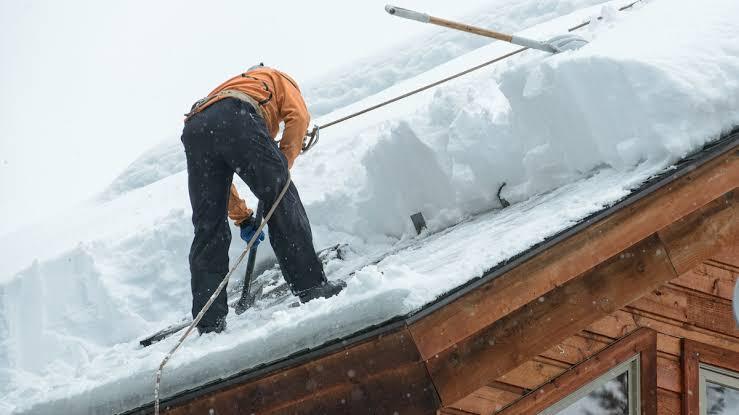
Winter in Toronto and the Greater Toronto Area (GTA) can bring freezing temperatures, heavy snowfall, and ice buildup on residential and commercial roofs. One common winter roofing problem is an ice dam. If left unaddressed, ice dams can interfere with proper drainage and contribute to roof leaks, water stains, and interior moisture damage.
Professional ice dam removal can help property owners manage these winter risks and protect their roofing systems. DVR Roofing provides roof snow removal services to help property owners address snow and ice-related roofing concerns.
What Is an Ice Dam?
An ice dam is a ridge of ice that forms near the edge of a roof, often along the eaves. It commonly develops when heat escapes into the attic, warming parts of the roof and melting snow. The melted water flows toward colder roof edges, where it refreezes and gradually forms a barrier.
As the ice builds up, additional melting snow may become trapped behind it. The resulting water can sometimes move beneath shingles and enter the building.
Understanding how ice dams form is an important first step toward preventing winter roof damage.
Common Signs You Need Ice Dam Removal
Recognizing the warning signs early can help you arrange professional assistance before the problem becomes more serious.
Look for these common indicators:
-
Thick ice buildup along roof edges.
-
Large icicles hanging from gutters or eaves.
-
Water stains on ceilings or walls.
-
Damp insulation or moisture in the attic.
-
Water dripping near windows or exterior walls during winter.
-
Ice accumulating around roof drainage areas.
Icicles alone do not always indicate a serious ice dam. However, recurring ice buildup combined with interior moisture should be assessed by a qualified roofing professional.
Why Is Professional Ice Dam Removal Important?
Ice dams can cause more than an unsightly layer of ice along your roof. When water cannot drain properly, it may enter areas beneath roofing materials and damage interior finishes or insulation.
Here are several reasons to address ice dams professionally.
1. Help Prevent Roof Leaks
Water trapped behind an ice dam may work its way beneath shingles and into the roof structure. Professional assessment and appropriate ice management can help reduce the risk of water intrusion.
2. Protect Roofing Materials
Attempting to break ice with hammers, axes, or sharp tools can damage shingles, flashing, gutters, and other roof components. Qualified professionals use methods suited to the roof and prevailing conditions.
3. Reduce Interior Moisture Problems
Water entering through the roof can damage ceilings, walls, and insulation. Persistent moisture may also contribute to mould growth when conditions allow.
Addressing ice dams promptly can help limit further damage, although any existing moisture problems may require separate repairs.
4. Improve Winter Safety
Ice can fall unexpectedly from roof edges, creating hazards for people and property below. Professional ice dam removal helps address the issue while accounting for roof access and falling-ice risks.
How Are Ice Dams Removed?
The appropriate removal method depends on the roof design, the amount of ice present, the surrounding conditions, and the risk of damaging roofing materials.
A professional may assess the roof and recommend one or more suitable approaches.
Careful snow removal: Reducing snow accumulation above an ice dam may limit the amount of additional meltwater reaching the affected area.
Specialized ice removal: Qualified professionals may use controlled methods or specialized equipment to remove ice without unnecessarily damaging the roof.
Drainage assessment: Roof edges, gutters, and drainage paths may be checked for obstructions that contribute to water retention.
Follow-up roof inspection: If water has entered the building, the roof and affected interior areas may need further inspection and repair.
Never pour boiling water onto an ice dam, chip away at it with sharp tools, or climb onto a snow-covered roof. These actions can create serious safety hazards and damage roofing materials.
What Causes Ice Dams on Roofs?
Ice dams often develop because of a combination of snow accumulation, uneven roof temperatures, and freezing conditions.
Poor Attic Insulation
Insufficient insulation can allow indoor heat to warm the roof unevenly, contributing to snowmelt and refreezing near the eaves.
Inadequate Ventilation
Poor attic ventilation may contribute to uneven roof temperatures. An assessment can help determine whether ventilation improvements are appropriate.
Heavy Snowfall
A substantial layer of snow provides more material that can melt and refreeze when temperatures fluctuate.
Repeated Freeze-Thaw Cycles
When daytime temperatures rise and nighttime temperatures fall, melting water can repeatedly freeze near colder roof edges.
Identifying the underlying causes is important because removing existing ice alone may not prevent the problem from returning.
How to Prevent Ice Dams in Winter
Although ice dams cannot always be prevented, several maintenance measures can help reduce the risk.
-
Improve attic insulation: Reduce unwanted heat loss into the attic.
-
Review attic ventilation: Ask a qualified professional to assess airflow and roof temperature conditions.
-
Maintain roof drainage: Keep gutters and drainage paths maintained before winter, using safe professional assistance where needed.
-
Monitor snow accumulation: Arrange an assessment after significant snowfall when accumulation may pose a concern.
-
Inspect the roof regularly: Look for signs of leaks, damaged shingles, and recurring ice buildup.
-
Address existing problems: Repair roof defects and investigate recurring moisture issues.
The best prevention strategy depends on the property's design, roof condition, and local winter weather.
Ice Dam Removal for Residential and Commercial Properties
Ice dams can affect different types of buildings, but the risks and removal requirements vary.
Residential properties: Homeowners may notice ice buildup along eaves, icicles, or water stains on ceilings. Professional assessment can help determine whether removal or additional roof repairs are needed.
Commercial buildings: Offices, retail properties, and other commercial buildings may have extensive roof areas that require winter monitoring.
Flat and low-slope roofs: These roofs can experience drainage issues when snow or ice obstructs drains. Assessment should consider roof design and the building's drainage system rather than relying on the same approach used for pitched roofs.
Choose DVR Roofing for Winter Roofing Assistance
If you notice ice buildup, suspected ice dams, or signs of a winter roof leak, it is important to address the situation safely.
DVR Roofing offers roof snow removal services in Toronto and the Greater Toronto Area. Professional roofing assistance can help property owners assess snow accumulation and determine appropriate next steps for managing winter-related roof concerns.
Learn more about the available service here:
DVR Roofing – Roof Snow Removal Services
Contact a qualified roofing professional to discuss your property's condition and whether additional ice dam removal or roof repair services are required.
Frequently Asked Questions About Ice Dam Removal
1. What is the safest way to remove an ice dam?
The safest approach is to have a qualified professional assess the roof and use suitable removal methods. Avoid climbing onto the roof or breaking ice with sharp tools.
2. Can ice dams cause roof leaks?
Yes. Water trapped behind an ice dam may move beneath roofing materials and enter the building, potentially damaging ceilings, walls, insulation, and other interior components.
3. When should I arrange professional ice dam removal?
Seek professional advice when substantial ice accumulates along roof edges, drainage becomes obstructed, or water stains and leaks appear. Signs of structural distress require urgent attention.
4. Does removing snow prevent ice dams?
Removing excessive snow safely may reduce the amount of meltwater available to form ice dams. However, recurring problems may also require improvements to insulation, ventilation, or roof drainage.
5. Can I remove an ice dam myself?
DIY removal can be dangerous and may damage the roof. Avoid ladders near icy eaves, walking on snow-covered roofs, and using sharp tools. Professional assistance is the safer option.
Conclusion
Ice dam removal is an important part of winter roof maintenance in Toronto and the GTA. Ice buildup can restrict drainage, contribute to water leaks, and create hazards around your property.
By recognizing the warning signs, addressing underlying insulation and ventilation issues, and arranging professional help when needed, you can better protect your roof throughout the winter season.
For roof snow removal assistance in Toronto and the GTA, visit DVR Roofing to learn more about its services.

 English
 Arabic
 Spanish
 Portuguese
 Deutsch
 Turkish
 Dutch
Dutch
 Italiano
 Russian
 Romaian
 Portuguese (Brazil)
 Greek
Greek
