
How Automotive Fuel Filters Support Engine Performance
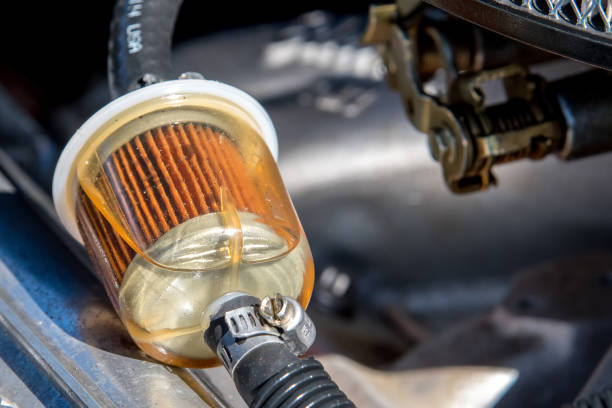
Modern vehicles rely on a range of components working together to deliver reliable performance, improved fuel efficiency, and lower emissions. Among these essential parts, automotive fuel filters play a critical role by ensuring that clean fuel reaches the engine. As fuel systems become more advanced, the importance of high-quality filtration continues to grow across passenger cars, commercial vehicles, and off-road applications.
Growing attention to vehicle efficiency and long-term engine reliability has increased interest in advanced fuel filtration solutions. Manufacturers are introducing improved filtration technologies designed to remove contaminants while maintaining consistent fuel flow. These developments are helping support modern fuel injection systems and meet evolving performance requirements.
Fuel contamination remains one of the leading causes of engine wear and reduced vehicle performance. Tiny particles such as dust, rust, dirt, and water can enter the fuel system during production, transportation, or storage. Automotive fuel filters are designed to capture these impurities before they reach sensitive engine components, helping maintain smooth engine operation and extending the lifespan of fuel injectors and pumps.
Why Fuel Filtration Matters
Fuel filters serve as the first line of defense against contaminants that can negatively affect engine efficiency. Clean fuel allows combustion to occur more effectively, leading to smoother acceleration, better fuel economy, and reduced maintenance requirements. Without proper filtration, contaminants may clog fuel injectors, reduce engine power, or contribute to costly repairs.
As engine technologies continue to evolve, fuel delivery systems are becoming increasingly precise. Modern direct injection engines operate under high pressure and require exceptionally clean fuel to perform efficiently. This has encouraged manufacturers to develop filtration systems capable of capturing even smaller particles while maintaining optimal fuel flow under varying operating conditions.
Technological Advancements in Fuel Filters
Innovation in filtration materials and manufacturing processes has significantly improved the performance of automotive fuel filters. Advanced synthetic media, multi-layer filtration structures, and enhanced sealing technologies help improve contaminant removal while extending filter service life. These improvements allow vehicles to maintain reliable performance even under demanding driving conditions.
Some modern fuel filters are also designed with water separation capabilities, particularly for diesel-powered vehicles. Removing moisture from fuel helps prevent corrosion, protects sensitive engine components, and reduces the risk of fuel system damage. Such innovations contribute to improved durability and consistent vehicle operation over time.
Growing Demand Across Vehicle Segments
Automotive fuel filters are widely used across passenger vehicles, light commercial vehicles, heavy-duty trucks, construction equipment, and agricultural machinery. While each segment has unique operating requirements, all depend on effective filtration to maintain engine performance and reduce downtime.
The increasing production of vehicles worldwide, combined with rising consumer awareness regarding preventive maintenance, continues to support demand for reliable filtration systems. Fleet operators, in particular, recognize the importance of routine fuel filter replacement as part of comprehensive vehicle maintenance programs aimed at minimizing unexpected repairs and improving operational efficiency.
The Impact of Emission Standards
Governments around the world continue introducing stricter emission regulations to reduce environmental impact from transportation. These regulations encourage automakers to adopt advanced fuel injection technologies that require cleaner fuel and more efficient filtration systems. As a result, fuel filters have become an increasingly important component in helping vehicles maintain compliance with evolving environmental standards. As noted by the International Energy Agency (IEA), improving vehicle efficiency remains an important part of reducing transport-related emissions.
At the same time, manufacturers are investing in lightweight materials and improved filter designs that enhance efficiency without increasing vehicle weight. These innovations support broader automotive objectives related to fuel economy, sustainability, and long-term reliability.
Challenges Facing the Industry
Despite ongoing technological progress, manufacturers continue facing several challenges. The growing adoption of electric vehicles may gradually influence demand patterns for traditional fuel filtration products in some regions. However, internal combustion engine vehicles and hybrid vehicles are expected to remain an important part of the global transportation landscape for years to come.
Another challenge involves balancing filtration efficiency with fuel flow performance. Filters must effectively remove contaminants without restricting fuel delivery, particularly in high-performance engines that require consistent fuel pressure. Continuous research and product development remain essential to meeting these evolving technical requirements.
Future Outlook
The future of automotive fuel filtration is expected to focus on smarter materials, longer service intervals, and improved compatibility with advanced engine technologies. Manufacturers are likely to continue developing filtration solutions that improve durability, reduce maintenance requirements, and support increasingly sophisticated fuel systems.
As the automotive sector continues evolving through innovations in engine design, hybrid technologies, and alternative fuels, fuel filtration will remain a fundamental aspect of vehicle reliability. According to insights published by Markntel Advisor, ongoing developments in filtration technology are expected to support cleaner engine operation and improved vehicle performance while adapting to changing mobility requirements.

 Arabic
 French
 Spanish
 Portuguese
 Deutsch
 Turkish
 Dutch
Dutch
 Italiano
 Russian
 Romaian
 Portuguese (Brazil)
 Greek
Greek
