
D1 Minibus Training: Everything You Need to Know Before Getting Started
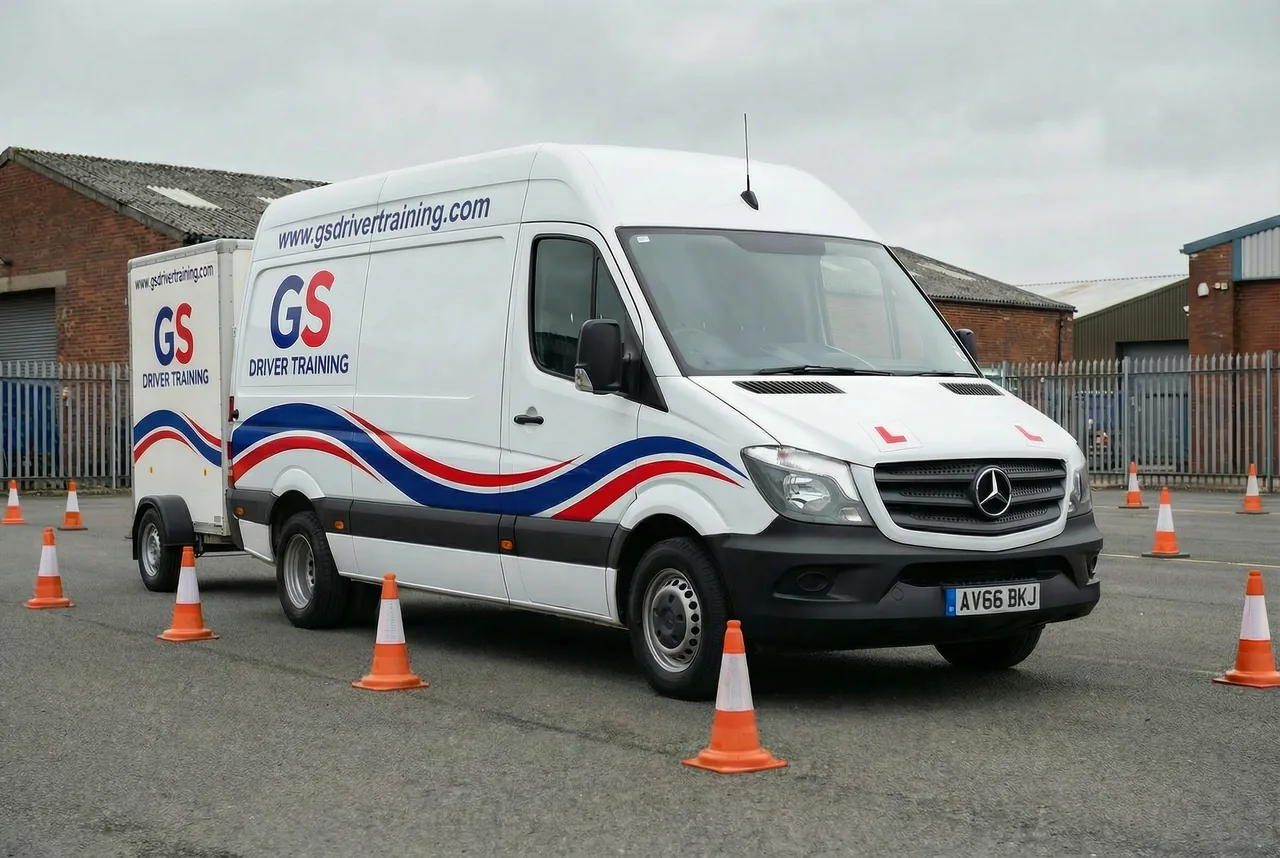
If you want to drive a minibus for work, community transport, school transport, or other passenger services, D1 minibus training is an important step towards developing the skills you need. Driving a minibus requires more than handling a larger vehicle. You also need to understand passenger safety, vehicle control, road awareness, and the responsibilities involved in transporting people.
D1 minibus training prepares drivers for the practical skills and knowledge required to drive vehicles within the Category D1 licence entitlement. At GS Driver Training, you can explore minibus training options designed to help you prepare for your next step in professional driving.
What Is D1 Minibus Training?
D1 is a UK driving licence category associated with minibuses designed to carry between 9 and 16 passengers, in addition to the driver, subject to the relevant vehicle and licence restrictions.
D1 minibus training helps you develop the driving skills needed to operate this type of vehicle safely and confidently. The training focuses on handling a larger vehicle, understanding road positioning, maintaining appropriate observation, and preparing for the relevant practical driving test.
This licence category may be relevant to people interested in working in passenger transport, community organisations, school transport, and other roles involving minibus driving.
You should check the applicable licence requirements and any additional conditions for your intended use before booking a course.
Who Should Consider D1 Minibus Training?
D1 training may be suitable for people who want to develop their minibus driving skills for professional or organisational purposes.
Some examples include:
-
Passenger transport drivers: People interested in driving minibuses for passenger transport services.
-
School and college transport drivers: Drivers who may need the appropriate licence entitlement to transport groups of students.
-
Community transport drivers: People involved in transporting passengers for community groups and organisations.
-
Care and support transport drivers: Drivers who transport passengers to appointments or organised activities, where the relevant licence and operating requirements are met.
-
Professional drivers: Existing drivers who want to expand their qualifications and consider additional driving opportunities.
Your eligibility will depend on factors such as your existing driving licence, age, medical fitness, and the applicable licensing requirements.
What Does D1 Minibus Training Cover?
Good preparation helps you become familiar with the size, handling, and responsibilities of driving a minibus. Your training should focus on developing the practical skills required for safe driving.
1. Minibus Controls and Vehicle Familiarisation
A minibus can feel different from a standard car because of its size, dimensions, and handling characteristics. Understanding the vehicle's controls and features is an important starting point.
Training can help you become familiar with the vehicle's layout, mirrors, seating position, and essential controls before progressing to more demanding driving situations.
2. Observation and Road Awareness
Driving a minibus requires careful observation and an awareness of other road users. You need to monitor traffic conditions, check mirrors regularly, anticipate potential hazards, and make decisions at the right time.
Developing these habits helps you maintain control and respond appropriately to changing road conditions.
3. Junctions and Roundabouts
Junctions and roundabouts require careful positioning, observation, and judgement. The larger dimensions of a minibus mean that you must consider available space and the movement of surrounding vehicles.
Practical preparation helps you understand how to approach these situations safely and choose suitable positions on the road.
4. Manoeuvring and Vehicle Positioning
Manoeuvring a minibus requires an understanding of its length, width, turning circle, and visibility. Reversing and positioning the vehicle can be more challenging than performing the same manoeuvres in a car.
Training helps you improve your control, use your mirrors effectively, and judge the space available around the vehicle.
5. Passenger Safety Responsibilities
Minibus drivers have responsibilities beyond reaching their destination. They need to consider passenger safety, suitable stopping locations, safe boarding and leaving arrangements, and the condition of the vehicle.
Depending on the role and operating requirements, additional checks and procedures may also apply.
What Are the Benefits of Taking a D1 Minibus Course?
Improve Your Driving Confidence
Learning in a suitable training environment helps you become familiar with a minibus before facing the challenges of everyday driving. Regular practice can help you improve your observation, manoeuvring, and decision-making skills.
Prepare for the Practical Driving Test
Structured training helps you identify areas that require improvement and practise the relevant driving skills. An instructor can provide feedback on vehicle control, positioning, observation, and overall driving standards.
Consider More Driving Opportunities
The appropriate D1 entitlement may be useful for certain passenger transport roles. Depending on your experience, qualifications, and the requirements of an employer, it may support applications for minibus-related work.
However, holding a D1 entitlement does not automatically satisfy every professional driving requirement. Depending on the work, you may need additional qualifications, such as Driver CPC, as well as the appropriate authorisations.
Develop Safer Driving Habits
Training encourages drivers to pay attention to road conditions, anticipate hazards, and handle a larger vehicle responsibly. These skills are important whenever you are responsible for transporting passengers.
What Are the Requirements for D1 Minibus Training?
Before booking your course, check that you meet the relevant requirements for D1 training and licensing.
These may include:
-
Holding an appropriate existing driving licence.
-
Meeting the applicable minimum age requirements.
-
Meeting the relevant medical fitness standards.
-
Obtaining the required provisional entitlement.
-
Completing the applicable theory and practical test requirements.
The exact requirements can vary depending on your circumstances and the type of driving you intend to undertake. If you already hold a driving licence, check its categories and restrictions before choosing a training package.
You should also confirm whether your intended role requires Driver CPC or other professional qualifications. Some drivers may qualify for specific exemptions, depending on the circumstances.
How Long Does D1 Minibus Training Take?
The time required for D1 minibus training depends on your existing driving experience, confidence, practical ability, and the course you choose.
Some learners may need more practice to become comfortable with vehicle positioning and manoeuvres, while experienced drivers may be familiar with many of the basic road skills already.
Before booking, ask the training provider about the available course options, included training hours, test arrangements, and any additional costs. This will help you choose a package that matches your needs rather than selecting a course based on duration alone.
Why Choose GS Driver Training for D1 Minibus Training?
Choosing the right training provider is an important part of preparing for your D1 licence. GS Driver Training offers minibus training options for people looking to develop their driving skills and prepare for the relevant licensing requirements.
Before selecting a course, consider the following factors:
-
Suitable training options: Check which D1 course package matches your current licence and experience.
-
Instructor guidance: Ask how practical sessions are structured and how your progress will be assessed.
-
Flexible scheduling: Check whether weekday, weekend, or other scheduling options are available.
-
Clear course information: Confirm the training hours, fees, test arrangements, and any additional requirements before booking.
-
Relevant experience: Choose training that gives you the opportunity to practise the skills required for your intended driving role.
How to Get Started With D1 Minibus Training
If you are considering a D1 course, the following steps can help you prepare.
Step 1: Check your existing licence. Confirm which categories you currently hold and whether you meet the relevant eligibility requirements.
Step 2: Understand your driving goals. Decide whether you need the qualification for work, community transport, or another permitted purpose.
Step 3: Compare suitable courses. Review the training hours, fees, test arrangements, and course inclusions.
Step 4: Prepare for practical training. Make sure you understand the relevant requirements and arrive ready to practise under your instructor's guidance.
Step 5: Confirm the next steps. Ask your training provider about booking, required documents, and the process for arranging the relevant tests.
Taking these steps can make it easier to choose a suitable course and plan your training effectively.
Conclusion
D1 minibus training is an important consideration for drivers who want to operate a minibus and develop the skills needed to transport passengers responsibly. From vehicle familiarisation and manoeuvring to observation and passenger safety, practical preparation can help you build confidence and work towards the appropriate licence entitlement.
Before booking, check your eligibility, understand the requirements for your intended role, and compare the available training options.
Ready to take the next step? Visit GS Driver Training to explore D1 minibus training and find out which course may be suitable for you

 English
 Arabic
 French
 Portuguese
 Deutsch
 Turkish
 Dutch
Dutch
 Italiano
 Russian
 Romaian
 Portuguese (Brazil)
 Greek
Greek
