
How to Budget for Restaurant Equipment in Canada Without Overspending
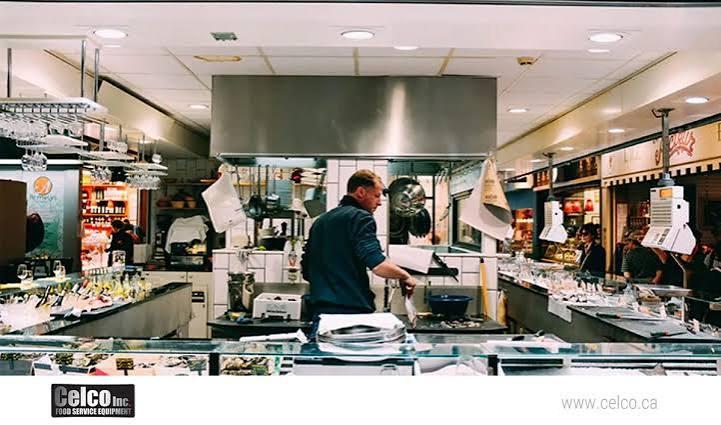
Opening a restaurant or upgrading an existing foodservice operation requires careful financial planning. Equipment purchases can represent a significant portion of the initial investment, and choosing appliances based only on their purchase price may create unexpected expenses later. Delivery, installation, utility modifications, maintenance, and staff training can all affect the total project budget.
For Canadian restaurant owners, a structured equipment budget helps balance affordability with operational requirements. The objective is to purchase reliable equipment that supports the menu, expected customer demand, and long-term business plans without tying up more capital than necessary.
Why Is Equipment Budgeting Important?
Commercial kitchens depend on several interconnected systems, including cooking appliances, refrigeration, food preparation surfaces, warewashing equipment, and ventilation. If one essential category is overlooked during budgeting, the restaurant may face delays or unplanned expenses before opening.
A comprehensive budget also helps owners distinguish between essential purchases and optional upgrades. This is particularly important for independent restaurants and smaller businesses that must allocate funds across rent, inventory, staffing, marketing, and other opening costs.
Rather than setting a budget based on the amount available for equipment alone, owners should evaluate the complete cost of preparing the premises for operation.
How Should Restaurant Owners Calculate Their Equipment Budget?
The first step is to create an inventory of the equipment needed for the proposed menu and service model. A café, bakery, full-service restaurant, and quick-service outlet will have different requirements.
List every essential appliance and record its estimated purchase price, installation requirements, and expected operating costs. Obtain supplier quotations where possible, and distinguish confirmed costs from preliminary estimates.
A useful budget should include:
-
Equipment purchase prices
-
Delivery and installation charges
-
Electrical, plumbing, and ventilation modifications
-
Required accessories and storage components
-
Initial maintenance or service arrangements
-
Staff training and commissioning
-
A contingency allowance for unforeseen expenses
This approach gives owners a more realistic understanding of the capital required to open or renovate the kitchen.
Should You Buy New or Used Equipment?
New equipment may provide access to current product designs, manufacturer warranties, and documented operating specifications. However, the initial cost may be higher than that of a comparable used appliance.
Used equipment can offer savings when the unit is in suitable condition and meets the restaurant's requirements. Nevertheless, buyers must account for possible repairs, limited warranty coverage, unavailable parts, or lower-than-expected performance.
Before purchasing used equipment, inspect its condition, confirm its model and service history where available, and verify that it can be installed legally and safely at the intended premises.
For refrigeration and other essential appliances, an inexpensive purchase can become costly if unexpected downtime results in product losses or service interruptions.
The decision should reflect the equipment's condition, expected workload, maintenance requirements, and total cost of ownership rather than purchase price alone.
How Can Businesses Avoid Buying Unnecessary Equipment?
Equipment decisions should begin with the menu and projected demand. An appliance that appears attractive in a catalogue may not provide meaningful value if the restaurant rarely uses its features.
Owners should identify the cooking methods required for each menu item and determine whether a versatile appliance can handle several tasks effectively. They should also estimate peak production requirements to ensure that savings do not come at the expense of service capacity.
When reviewing commercial kitchen cooking equipment, compare practical performance, capacity, cleaning requirements, and compatibility with the planned kitchen layout.
It is equally important to avoid purchasing equipment too early. Final measurements, utility plans, and installation requirements should be confirmed before an order is placed.
What Hidden Costs Should Be Included?
Some expenses become apparent only after equipment has been selected. A larger appliance may require modifications to electrical service or ventilation. Refrigeration equipment may need additional clearance, and delivery may require special handling if access to the premises is restricted.
Maintenance costs also deserve attention. Ask about recommended servicing intervals, replacement components, warranty exclusions, and the availability of qualified technicians.
Energy and water consumption can affect operating costs over several years. Where reliable specifications are available, compare likely consumption under realistic usage conditions.
A purchase that appears inexpensive initially may be less economical if it requires frequent repairs or consumes substantially more energy than a suitable alternative.
How Can Restaurant Owners Prioritize Purchases?
Divide planned purchases into three categories: essential equipment needed before opening, important items that can be added soon afterward, and optional upgrades that can wait until the business has established its sales patterns.
Safety-related systems, required refrigeration, and equipment essential to the approved menu should receive priority. Decorative upgrades and redundant appliances may be postponed if doing so does not compromise operations.
Owners should also identify equipment that could become a bottleneck during peak service. Saving money on a critical appliance may create higher labour costs or limit sales if the kitchen cannot keep up with orders.
For projects involving several vendors, a procurement schedule can help coordinate delivery and installation while minimizing storage and scheduling problems.
Why Does Supplier Selection Matter?
A supplier can help clarify product specifications, delivery arrangements, warranty coverage, and available service support. Comparing suppliers on these factors provides a more complete picture than comparing quotations alone.
Celco Inc. offers commercial foodservice equipment options for Canadian businesses. Restaurant owners can review relevant product categories and discuss their operational requirements when evaluating potential purchases.
Before committing to an order, confirm the final price, delivery terms, installation responsibilities, and documentation that will be provided.
Final Thoughts
A realistic restaurant equipment budget should account for the complete cost of ownership, not just the initial purchase price. By identifying essential requirements, comparing new and used options carefully, and allowing for installation and maintenance, restaurant owners can make better financial decisions.
A disciplined purchasing process helps preserve working capital while ensuring the kitchen has the equipment needed for safe, efficient, and consistent service.

 English
 Arabic
 Spanish
 Portuguese
 Deutsch
 Turkish
 Dutch
Dutch
 Italiano
 Russian
 Romaian
 Portuguese (Brazil)
 Greek
Greek
