
Acne Skincare Routine: What to Use and What to Avoid
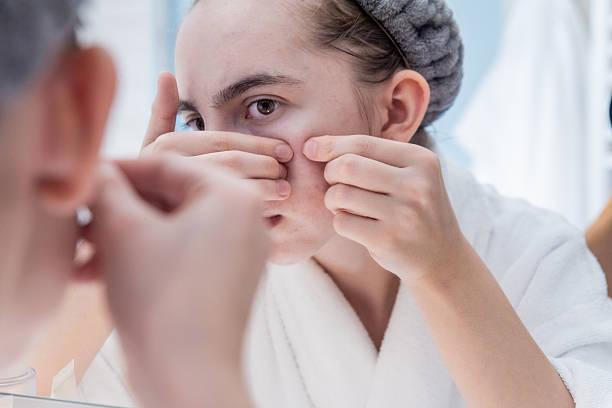
Acne is one of the most common skin concerns, affecting people of different ages and skin types. It can develop because of excess oil production, clogged pores, hormonal changes, bacteria, and inflammation. Establishing a consistent skincare routine can help manage breakouts, improve skin texture, and support a healthier complexion. Choosing suitable products and avoiding irritating ingredients are essential steps toward achieving clearer skin.
For individuals seeking professional guidance, Acne Treatment in Riyadh offers an opportunity to explore skincare solutions suited to different acne concerns. A well-planned routine can also help reduce the risk of persistent blemishes and improve the appearance of post-acne marks. If breakouts have already left visible scars, acne scar treatment in riyadh may help address uneven texture and discoloration through appropriate professional procedures.
Understanding Your Skin Before Starting an Acne Routine
Before choosing skincare products, it is important to understand your skin type and the nature of your acne. Oily skin often produces excess sebum, while dry or sensitive skin may react easily to harsh ingredients. Some people experience blackheads and whiteheads, whereas others develop inflamed pimples or deeper, painful lesions.
Identifying your primary skin concern helps you select products that support your skin without causing unnecessary irritation. A simple, consistent routine is generally more beneficial than using numerous products at once.
What to Use in Your Daily Acne Skincare Routine
Choose a Gentle Cleanser
Cleansing helps remove excess oil, sweat, sunscreen, and impurities that accumulate throughout the day. Choose a gentle, non-comedogenic cleanser that cleans the skin without leaving it tight or excessively dry. Washing your face twice daily is usually sufficient, and you should also cleanse after heavy sweating.
Avoid aggressive scrubbing because it can irritate inflamed skin and make breakouts appear worse.
Incorporate Suitable Acne-Fighting Ingredients
Certain skincare ingredients can help manage acne when used appropriately. Salicylic acid helps unclog pores and is particularly useful for blackheads and whiteheads. Benzoyl peroxide can reduce acne-causing bacteria and may help manage inflamed breakouts. Adapalene, a topical retinoid, helps prevent clogged pores and supports skin cell turnover.
Introduce one active ingredient at a time and follow the product instructions. These ingredients can cause dryness or irritation, especially when overused. Pregnant individuals should consult a healthcare professional before using retinoids.
Apply a Lightweight Moisturizer
Moisturizing is important even if your skin produces excess oil. A lightweight, non-comedogenic moisturizer helps maintain the skin barrier and reduce dryness caused by acne treatments. Look for products containing ingredients such as ceramides, glycerin, or hyaluronic acid.
Keeping the skin hydrated can make your routine more comfortable and help you maintain consistency.
Never Skip Sunscreen
Daily sunscreen protects the skin from ultraviolet radiation and helps prevent acne marks from becoming darker. Choose a broad-spectrum sunscreen with SPF 30 or higher that suits your skin type. A lightweight, non-comedogenic formula may be more comfortable for acne-prone skin.
Apply it every morning and reapply as directed, especially when spending extended periods outdoors.
What to Avoid When Managing Acne
Avoid Harsh Scrubs and Excessive Cleansing
Scrubbing your face repeatedly or using abrasive exfoliants can damage the skin barrier and worsen irritation. Strong cleansers may strip away protective oils, causing dryness and discomfort. Gentle cleansing is usually a better approach.
Do Not Pick or Squeeze Pimples
Picking blemishes can increase inflammation, introduce bacteria, and raise the risk of permanent scarring. Allow pimples to heal naturally and consider suitable acne treatments to manage recurring breakouts.
Avoid Using Too Many Active Ingredients
Combining several exfoliating acids, retinoids, and acne treatments without a clear plan may cause redness, peeling, and sensitivity. Introduce products gradually and monitor how your skin responds. If irritation persists, stop the suspected product and seek professional advice.
Be Careful With Heavy or Pore-Clogging Products
Some cosmetics, hair products, and skincare formulations may contribute to clogged pores. Look for products labeled non-comedogenic and remove makeup before sleeping. Remember that acne has multiple causes, so changing products alone may not resolve every breakout.
When Should You Seek Professional Acne Treatment?
If acne remains persistent despite a consistent skincare routine, or if you experience painful nodules, cysts, or developing scars, professional assessment may be beneficial. A qualified skincare professional can evaluate your skin and recommend suitable options based on the type and severity of acne.
Depending on your needs, treatment may involve prescription medications, professionally supervised topical therapies, or selected procedures for acne scars. Results vary, and some treatments require several weeks or months to show improvement.
Frequently Asked Questions
How often should I wash my face if I have acne?
Most people with acne can wash their face twice daily using a gentle cleanser. Cleansing after sweating may also help. Avoid excessive washing because it can irritate the skin.
Which skincare ingredient is best for acne-prone skin?
The most suitable ingredient depends on your acne type. Salicylic acid may help unclog pores, while benzoyl peroxide can help manage inflammatory breakouts. A healthcare professional can recommend an appropriate option for persistent or severe acne.
Can moisturizer make acne worse?
A suitable non-comedogenic moisturizer should not necessarily worsen acne. It helps maintain hydration and supports the skin barrier, particularly when using drying acne treatments.
How long does it take for an acne skincare routine to work?
Many acne treatments require approximately six to eight weeks before noticeable improvement, although individual results vary. Consistency and appropriate product selection are important.
Can an acne skincare routine remove acne scars?
A skincare routine may help improve discoloration and prevent additional marks, but deeper scars often require professional treatment. The appropriate option depends on scar type, skin condition, and individual needs.
Get Professional Guidance at Enfield Royal Clinic
Achieving clearer skin begins with understanding your skin's needs and following a consistent, suitable routine. If acne, persistent breakouts, or acne scars are affecting your confidence, Enfield Royal Clinic can be a starting point for exploring professional skincare guidance and treatment options in Riyadh. Arrange a consultation to discuss your concerns and learn which approach may be appropriate for your skin.

 English
 Arabic
 French
 Spanish
 Portuguese
 Deutsch
 Turkish
 Dutch
Dutch
 Russian
 Romaian
 Portuguese (Brazil)
 Greek
Greek
