
Hair Transplant in Islamabad: Why Your Choice of Clinic Matters
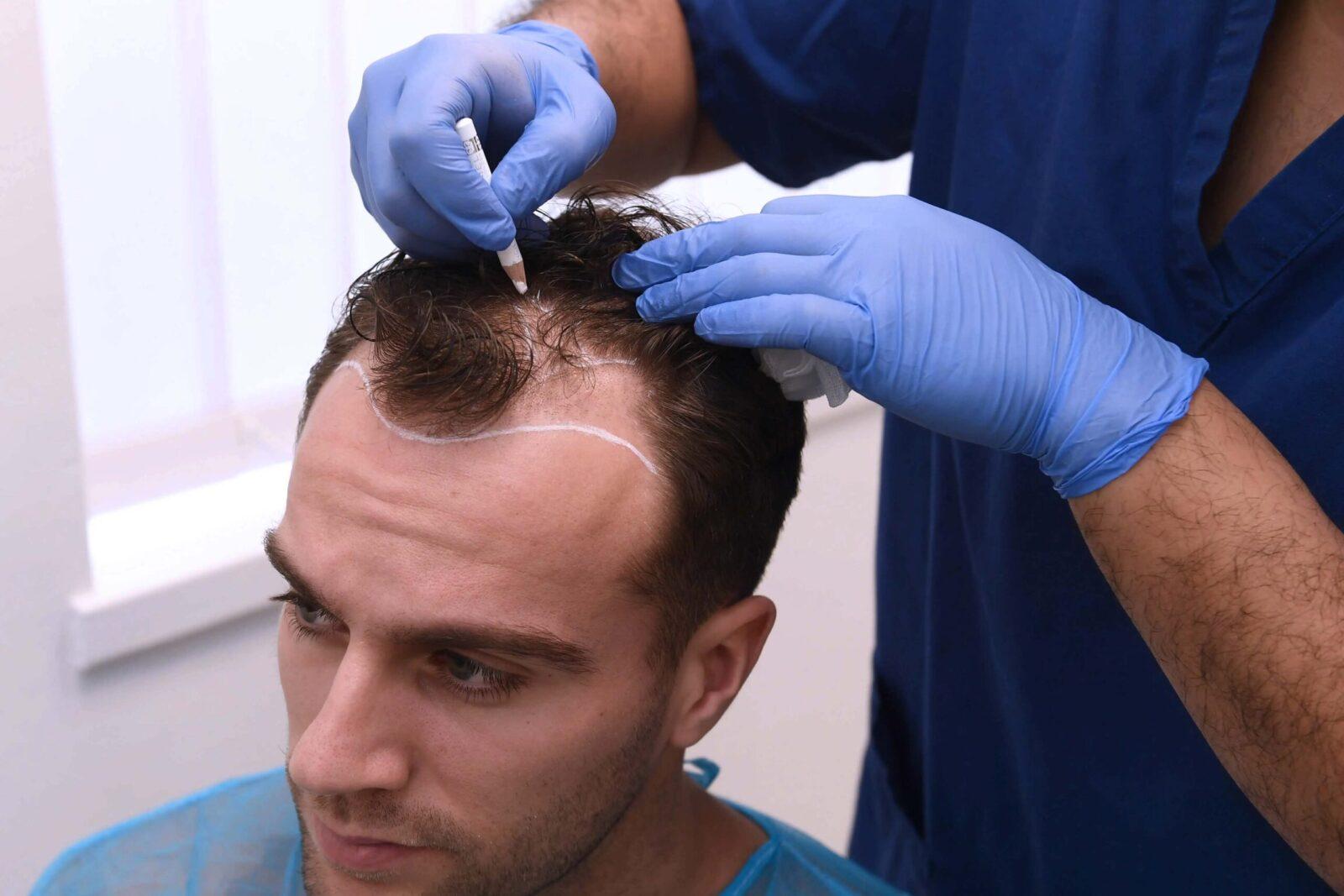
Hair loss can affect confidence, appearance, and everyday comfort. For people experiencing a receding hairline, thinning hair, or bald patches, a hair transplant may offer a long-term option for restoring hair in selected areas. However, successful treatment depends on more than the procedure itself. Choosing an appropriate clinic is an important step toward achieving natural-looking results and receiving safe, professional care.
Hair transplant in Islamabad is an option for people seeking solutions for different types of hair loss. Before selecting a provider, patients should understand how the procedure works, what qualifications matter, and why individual assessment is essential.
A hair transplant involves moving hair follicles from a donor area, usually the back or sides of the scalp, to areas affected by hair loss. Common techniques include Follicular Unit Extraction (FUE) and Follicular Unit Transplantation (FUT). The appropriate method depends on the patient's hair characteristics, donor supply, medical history, and treatment goals.
Why Your Choice of Hair Transplant Clinic Matters
Selecting a clinic carefully can influence treatment planning, patient safety, donor hair management, and the appearance of the final result. A reputable provider should explain both the potential benefits and limitations of the procedure instead of promising unrealistic outcomes.
Important factors to consider include:
-
Qualified medical professionals: Check the qualifications, relevant experience, and role of the professional responsible for planning and performing the procedure.
-
Personalized assessment: Every patient has a different pattern of hair loss, scalp condition, and donor hair capacity.
-
Hygiene and safety standards: Appropriate infection-control practices and medical protocols are essential.
-
Realistic expectations: A responsible provider discusses possible outcomes, limitations, risks, and recovery requirements.
-
Follow-up care: Post-procedure guidance helps patients understand healing and monitor progress.
A clinic that prioritizes these factors can help patients make informed decisions rather than choosing a procedure based only on advertising or cost.
How Surgeon Expertise Influences Hair Transplant Results
Hair transplant in Islamabad requires careful planning, precision, and an understanding of hair growth patterns. The direction, angle, and distribution of transplanted follicles can affect how natural the hairline appears.
Experience also matters when managing the donor area. Removing too many follicles or distributing them poorly can reduce the donor area's density and limit future treatment options.
Before booking a procedure, ask questions such as:
-
Who will assess my hair loss and design my hairline?
-
Who will perform the surgical steps?
-
What relevant qualifications and experience does the treating professional have?
-
How will the clinic protect my existing donor hair?
-
What complications or limitations should I understand?
Patients should also review genuine before-and-after photographs, where available, and ask whether the examples reflect cases similar to their own. Photographs can help with expectations, but they cannot guarantee the same outcome for another patient.
Personalized Treatment Planning for Different Hair Loss Patterns
Hair loss does not progress in the same way for everyone. Some people experience a receding hairline, while others develop thinning at the crown or more extensive baldness. Age, family history, underlying conditions, and the pattern of hair loss can all influence treatment decisions.
A thorough consultation should include an assessment of:
-
The extent and pattern of hair loss.
-
Donor-area density and follicle quality.
-
Scalp health and relevant medical history.
-
Current medications and possible causes of hair loss.
-
Desired hairline design and realistic density goals.
-
The possibility of continued hair loss after transplantation.
This assessment helps determine whether a transplant is appropriate and how many grafts may be needed. Not every patient is a suitable candidate, and some may benefit from medical evaluation or non-surgical treatment before considering surgery.
A well-planned approach also considers future hair loss. Transplanted follicles may continue growing, but surrounding natural hair can become thinner over time. Patients should therefore discuss long-term planning rather than focusing only on immediate cosmetic changes.
FUE and FUT: Choosing the Appropriate Technique
The two commonly discussed hair transplant methods are FUE and FUT. Neither method is automatically best for every patient.
Follicular Unit Extraction (FUE) involves removing individual follicular units from the donor area. It leaves multiple small scars that are generally less noticeable than a linear scar, although visible scarring can still occur.
Follicular Unit Transplantation (FUT) involves removing a strip of scalp from the donor area and separating it into follicular units for transplantation. It typically leaves a linear scar and may be appropriate for selected patients.
The choice depends on factors such as donor availability, hairstyle preferences, scalp characteristics, and the treatment plan. Patients should ask their provider to explain the benefits, limitations, recovery expectations, and risks of the recommended technique.
The goal is not simply to select the most popular method. It is to identify an appropriate approach based on professional assessment and individual needs.
Why Hygiene, Equipment, and Patient Safety Matter
Hair transplantation is a medical procedure, so the clinic's environment and safety practices deserve careful attention. Modern equipment can support treatment, but technology alone does not establish clinical quality.
Before proceeding, patients should consider whether the clinic explains its infection-control measures, medical assessment process, and emergency protocols. They should also receive clear information about anesthesia, potential complications, and what to do if symptoms develop during recovery.
A professional clinic should provide written or clearly explained aftercare instructions covering:
-
How to wash and protect the scalp.
-
When to resume work, exercise, and normal activities.
-
How to manage prescribed medication.
-
Which symptoms require prompt medical attention.
-
When follow-up appointments should take place.
Patients should seek urgent medical advice for concerning symptoms such as fever, worsening redness, severe pain, or unusual discharge after the procedure.
Understanding Recovery and Long-Term Hair Growth
Hair transplantation does not produce a complete result immediately. The scalp needs time to heal, and the growth cycle of transplanted follicles progresses gradually.
Some transplanted hair shafts commonly shed during the early weeks after treatment. This can be a normal part of the process, and new growth often becomes noticeable over the following months. Visible improvement generally develops over six to twelve months, although the timeline varies and crown growth may take longer.
Patients should understand that results depend on several factors, including donor hair quality, the extent of hair loss, surgical technique, healing, and individual biology.
A reliable provider should explain that:
-
Initial shedding does not necessarily mean the transplant has failed.
-
Hair density develops gradually rather than overnight.
-
Existing natural hair may continue to thin.
-
Some patients may require additional treatment or ongoing hair-loss management.
-
No clinic can guarantee a specific density or identical results for every patient.
Following professional aftercare instructions and attending scheduled reviews can help patients monitor recovery and address concerns appropriately.
Comparing Hair Transplant Clinics Beyond Price
Cost is an important consideration, but choosing the lowest-priced option without evaluating clinical standards can be a poor decision. Prices may vary according to the number of grafts, technique, complexity, professional expertise, and services included.
When comparing providers, ask for a clear explanation of the treatment plan and total expected cost. Confirm what the quoted fee includes, such as consultation, procedure-related care, medication, and follow-up appointments.
Look for transparency rather than exaggerated claims. Be cautious of guaranteed results, pressure to book immediately, or recommendations for an unusually large number of grafts without a proper assessment.
The best choice is a provider who explains the reasoning behind the treatment plan, answers questions openly, and places patient safety ahead of promotional promises.
Considering SKN Cosmetics in Islamabad
Patients exploring hair restoration options can consider SKN Cosmetics in Islamabad as one clinic to contact for information about consultation and available hair transplant services. Before making a decision, prospective patients should confirm the qualifications and responsibilities of the treating professional, the techniques offered, the assessment process, and the aftercare arrangements.
During a consultation, patients should discuss their hair-loss history, donor-area suitability, expected graft requirements, and realistic outcomes. They should also ask about potential risks, recovery, and the possibility of future hair loss.
Comparing these details with those offered by other providers can help patients determine whether a clinic's approach matches their needs. The decision should be based on verified credentials, transparent communication, and an individualized treatment plan rather than marketing claims alone.
Making an Informed Decision About Hair Restoration
Choosing a hair transplant clinic is an important part of the hair restoration journey. Professional expertise, careful donor-area management, personalized planning, hygiene standards, and consistent aftercare all deserve attention.
People researching hair transplant in Islamabad should take time to compare providers, understand their treatment options, and ask questions before committing to a procedure. A well-informed decision helps establish realistic expectations and supports a more confident approach to hair restoration.
Frequently Asked Questions
What should I check before choosing a hair transplant clinic?
Check professional qualifications, relevant experience, hygiene practices, treatment planning, and follow-up care.
How long does a hair transplant take to show results?
Visible growth often develops over six to twelve months, although individual results vary.
Is FUE better than FUT?
Neither is universally better. The appropriate technique depends on donor hair, scalp characteristics, and treatment goals.
Is a hair transplant permanent?
Transplanted follicles can provide long-lasting growth, but existing natural hair may continue to thin.
How do I choose a hair transplant clinic in Islamabad?
Compare qualified providers, request an individual assessment, review realistic results, and confirm the procedure's risks, costs, and aftercare requirements.

 English
 Arabic
 French
 Spanish
 Portuguese
 Deutsch
 Turkish
 Dutch
Dutch
 Italiano
 Russian
 Portuguese (Brazil)
 Greek
Greek
